Ukraine is expanding its military aid strategy by securing classified technology to build Storm Shadow long-range cruise missiles domestically while simultaneously ramping up drone production to unprecedented levels. British Prime Minister Andy Burnham approved sharing classified blueprints for British-made components on August 24, 2026, marking a major shift in how Western allies support Ukraine’s defense manufacturing.
The Storm Shadow, known as SCALP in its French variant, is a low-observable, air-launched cruise missile with a reported range of up to 550 kilometers for British and French models. The missile’s BROACH warhead features multiple-stage detonations that allow it to penetrate hardened targets like bunkers and command centers, making it particularly effective against deeply fortified Russian military infrastructure.
Ukraine has used Storm Shadow missiles since 2023, initially restricted to striking targets in occupied territories. After 2024, both Britain and France permitted Ukraine to strike inside Russia itself. Notable targets have included the Black Sea Fleet headquarters, Russian military bases, drone hubs, and microelectronics factories supplying the Russian military. Now, with access to manufacturing blueprints, Ukraine can produce these weapons independently without relying on Western deliveries.
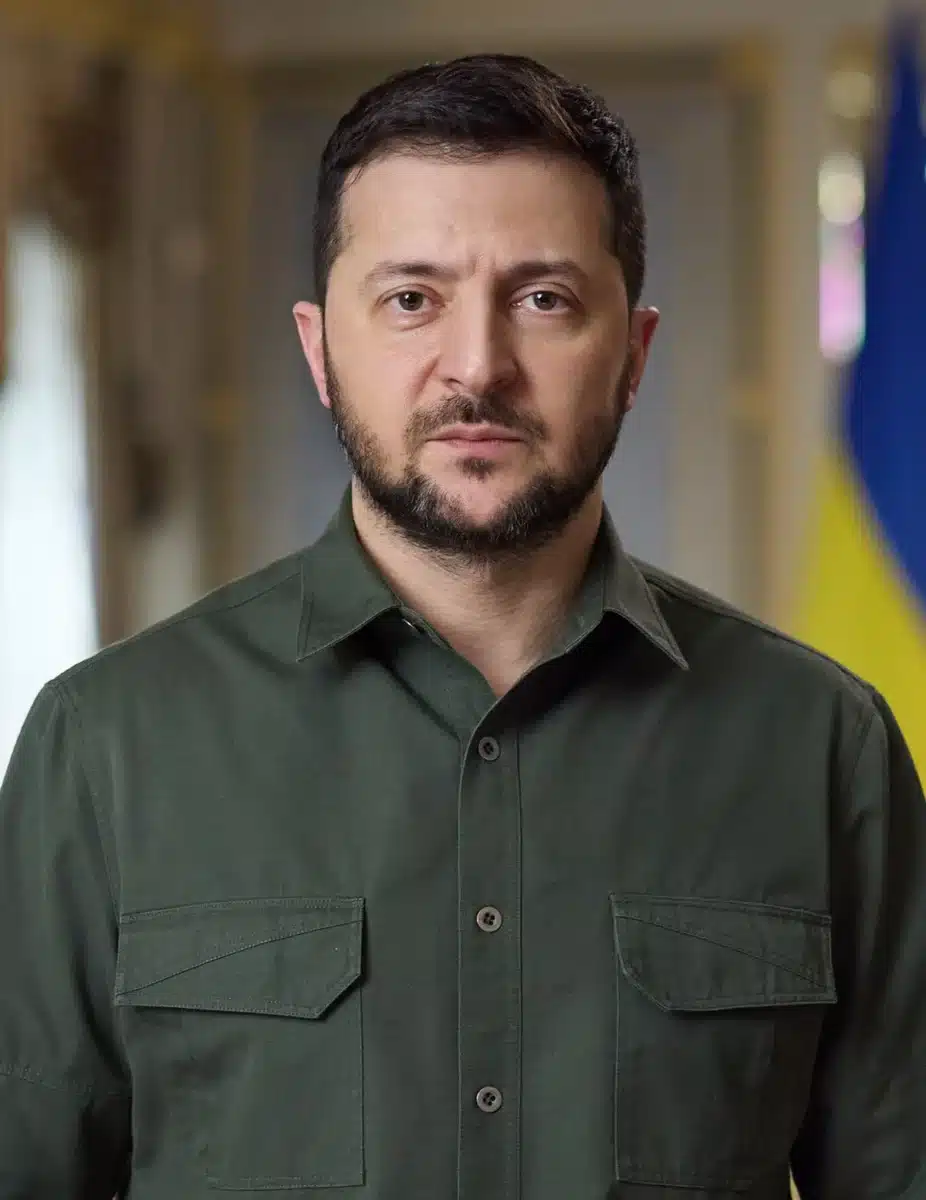
France already permitted Ukraine to produce the SCALP variant domestically in 2026 negotiations. Britain’s decision to unlock classified information about British-made components removes a final barrier to domestic production, according to British Prime Minister Andy Burnham: “The UK was the first to gift long-range weapons to Ukraine back in 2023. Volodymyr has now asked that we share our Storm Shadow technology so that Ukraine can build these capabilities themselves. I am pleased to confirm today that I have approved that request.”
Establishing domestic production capability addresses Ukraine’s strategic need for sustained, high-volume strikes against Russian military targets. According to analysis from UNITED24 Media, Ukrainian domestic production would allow Kyiv to strike military-industrial factories, oil facilities, logistics hubs, drone bases, and command centers inside Russia and occupied territories without relying on Western deliveries. This reduces dependence on allies and allows Ukraine to create and deploy missiles as battlefield needs dictate.
The Storm Shadow expansion sits within a broader military aid transformation centered on drone production. Ukraine plans to manufacture more than 10 million drones in 2026, according to reports from July 2026, up from approximately 4 million produced in 2025. The European Union and Ukraine signed a $1.1 billion drone deal in July 2026 to accelerate production further. Ukraine’s defense industry as a whole is projected to reach $55 billion in production capacity in 2026—roughly 55 times higher than at the start of Russia’s full-scale invasion in 2022.
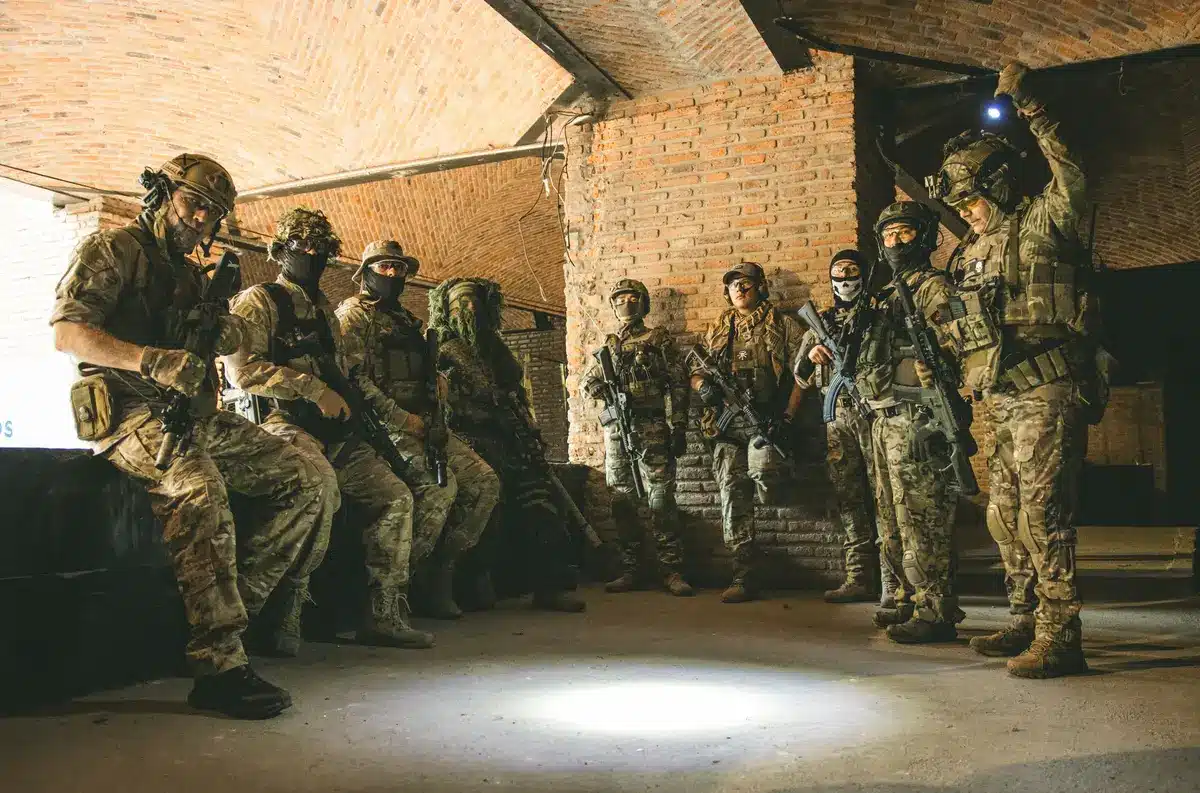
Ukraine’s military strategy has shifted toward what Colonel Vadym Sukharevsky, commander of Ukraine’s drone force, describes as a “robots first” approach. Long-range weapons—both domestically produced drones and cruise missiles like Storm Shadow—are now central to how Ukraine attacks Russian logistics, air defenses, and military production. The combination of high-volume drone strikes and precision cruise missile strikes aims to degrade Russia’s ability to sustain its military operations while protecting Ukrainian cities from Russian barrages.
The technology transfer also deepens Ukraine’s integration into European defense manufacturing. By establishing production capacity for NATO-standard weapons systems, Ukraine strengthens the continent’s collective defense posture. Multiple European nations have explored joint production agreements with Ukrainian manufacturers, recognizing that Ukraine’s wartime experience and manufacturing innovation offer strategic advantages for European security.
Russia has condemned the decision to share Storm Shadow technology with Ukraine. The Kremlin framed the move as an escalation and warned of potential consequences, though it did not specify retaliatory measures. The technology transfer comes as NATO members continue pledging military support; at the 2026 Ankara Summit, NATO allies pledged to provide 70 billion euros in military equipment, assistance, and training for Ukraine in 2026 alone.
Sources
- UNITED24 Media — Storm Shadow/SCALP missile specifications, Ukraine’s domestic production plans, and strategic impact analysis
- Breaking Defense — UK approval of classified Storm Shadow blueprints, August 24, 2026
- BBC News — UK government agreement to share Storm Shadow component blueprints
- Aviation Week — Ukraine’s 2026 drone production targets and capacity
- TechRadar Pro — Ukraine’s 10 million drone production goal and EU drone deal announcement
- Euromaidanpress — Ukraine’s defense industry production capacity projections for 2026
- Reuters — Ukraine’s defense industry scale and NATO support commitments