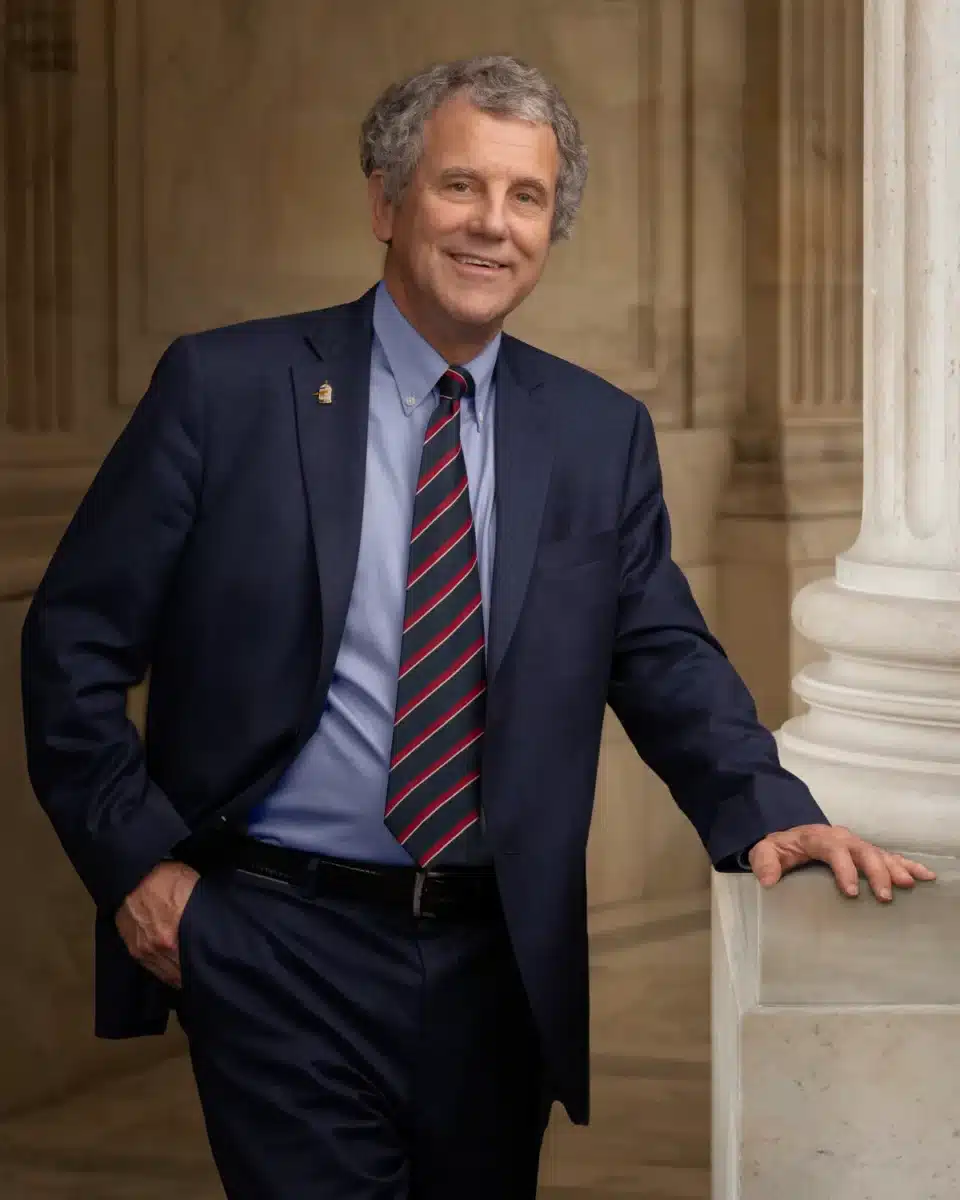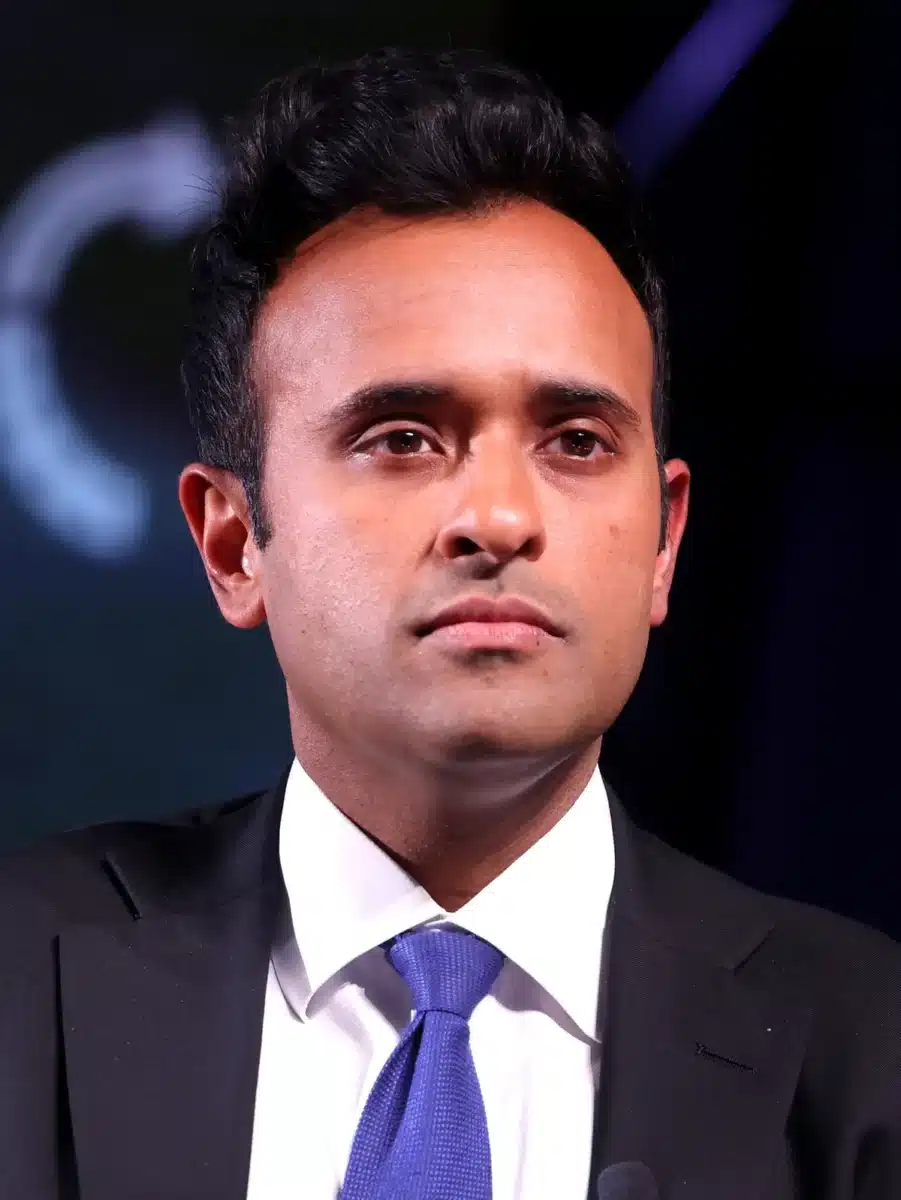
Prediction market traders shifted sharply toward Democrat Amy Acton in the Ohio governor’s race, moving her ahead of Republican Vivek Ramaswamy on major betting platforms as the general election approaches. Polymarket priced Acton’s chances at 54 percent and Ramaswamy’s at 47 percent as of August 28, according to Newsweek, while Kalshi showed Acton ahead 55 percent to 45 percent on nearly $1.4 million in traded volume.
Both platforms had held the race as essentially even only days before August 24, when the sharp reversal occurred. Newsweek noted that Polymarket’s August 28 snapshot reflected about $173,000 in volume, making the move a significant signal from traders betting on the November 3 election.
The shift in prediction markets stands in contrast to conventional polling, which remains much closer. A Fox News poll conducted August 6 to 10 showed Ramaswamy ahead 50 percent to 48 percent among 1,008 registered voters. A Tulchin Research survey from late July to early August found Acton leading 46 percent to 44 percent. A New York Times/Siena College poll from June had the candidates tied at 47 percent, and an AARP survey gave Acton a 47 percent to 44 percent edge. Taken together, the polling averages point to a race too close to call, with the RealClearPolling average through August 10 showing Acton with just a 0.2-point advantage.
Prediction markets allow traders to buy and sell contracts tied to election outcomes, with prices reflecting real-time informed sentiment. According to Newsweek’s reporting, they can absorb new information faster than conventional polls, though thin trading and large transactions can cause rapid price swings. The markets resolve using calls from the Associated Press, Fox News, NBC or Ohio’s official certification.

Ramaswamy has vastly outspent Acton, with his campaign and allies spending or reserving $82.3 million on television and digital advertising through August 27, according to Signal Ohio, compared to $11.1 million in expected pro-Acton spending. Despite this spending advantage, Ramaswamy has not converted it into a durable lead in either markets or polls. Acton’s campaign manager, Philip Stein, told Newsweek that close polling showed voters were “not falling for” attacks financed by Ramaswamy and his allies.
Acton, a physician and former Ohio Department of Health director, led the state’s COVID-19 response from 2019 to 2020. She has framed her campaign around affordability, saying in an August 25 release that Ohioans were “struggling right now with the cost of everyday living” and that she was “fighting to make sure that everyone gets a fair shot in Ohio.” Ramaswamy has positioned himself as the conservative choice, promising to be “the most conservative governor this state has ever seen” while campaigning on lower property taxes, a phased end to the state income tax, and tighter Medicaid spending controls.
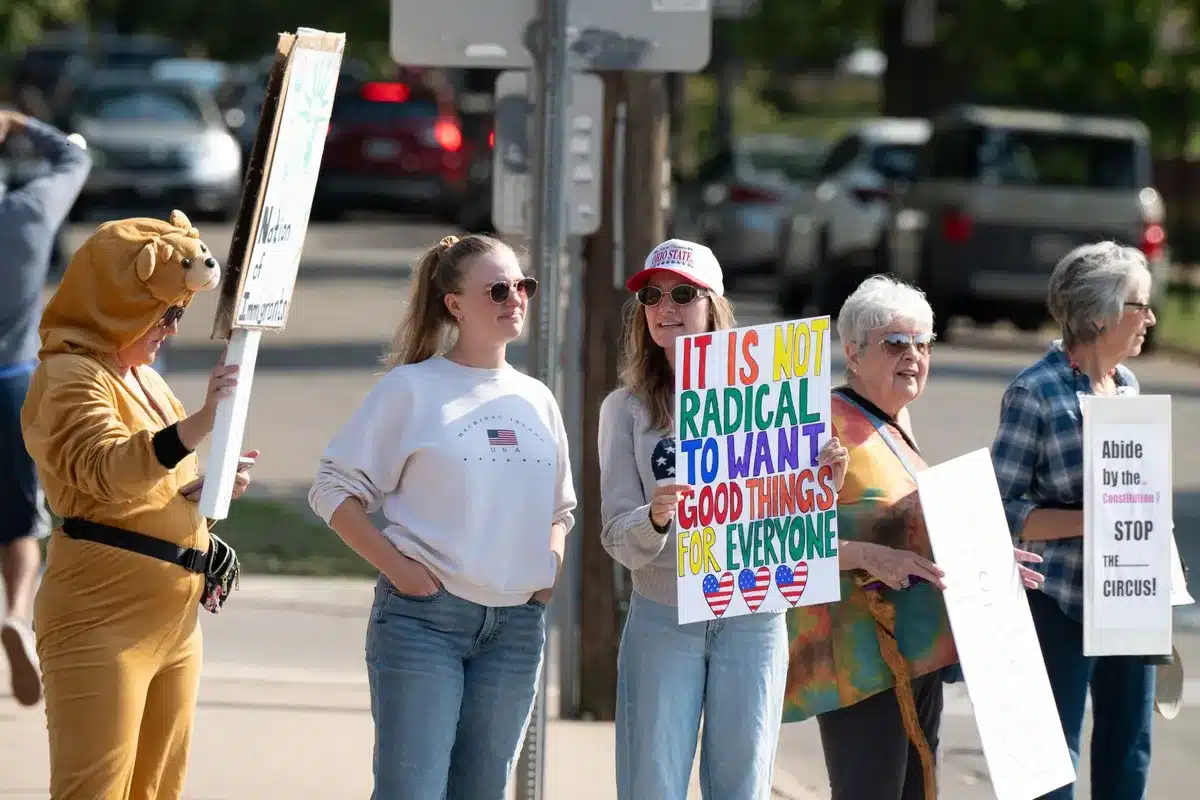
The competitive nature of this race signals a potential opening for Democrats in a state that has shifted decidedly Republican in presidential elections. Ohio voted for President Donald Trump by 11.2 percentage points in 2024, and Ramaswamy won the Republican primary for this open-seat race on May 5 with Trump’s backing. However, Newsweek noted that the state “has not turned Democratic,” and Ramaswamy’s challenge now is to convert Ohio’s Republican lean into a personal victory before voters head to the polls in November.
Polling and market prices may diverge again as voters react to advertising, debates, and late campaign developments. Prediction markets themselves face lawsuits from red and blue states, raising broader questions about their regulation and role in elections. For now, the sudden shift in trader sentiment on Acton signals that the Ohio governor’s race remains genuinely competitive despite Ramaswamy’s financial advantage.
Sources
- Newsweek — Prediction market odds for Ohio governor race (Polymarket and Kalshi), polling averages, campaign spending, candidate statements and strategy
- Signal Ohio — Campaign spending totals for Ramaswamy and Acton through August 27, 2026
- NBC4 Columbus — Ramaswamy campaign spending of $21.18 million as of August 26, 2026
- Wikipedia — Amy Acton’s role as Ohio Department of Health director during COVID-19 pandemic
- AP News — Amy Acton’s background as physician and health director
- Ballotpedia — Ramaswamy’s Republican primary victory on May 5, 2026