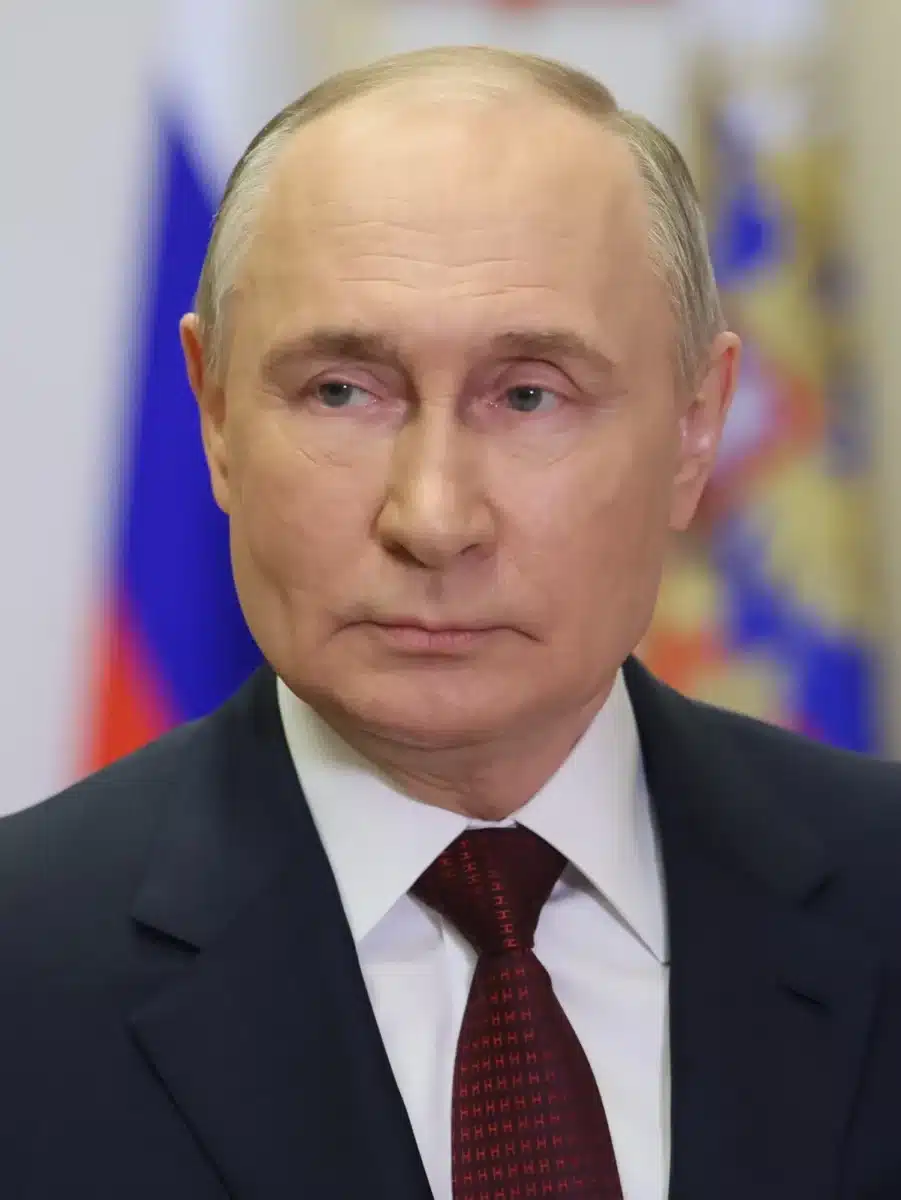
Vladimir Putin signed Decree No. 604 on August 24, 2026, authorizing the Russian state to temporarily seize control of critical infrastructure facilities if private owners fail to protect them adequately or delay repairs following attacks, according to The Insider and The Moscow Times.
The decree grants broad powers to assume control over physical, financial, and legal assets of companies in the fuel and energy sector, including nuclear facilities, as well as communications, transportation, and logistics infrastructure deemed essential to national security and economic stability. The Federal Agency for State Property Management will serve as the temporary manager unless replaced by another organization, receiving all ownership powers except the right to dispose of the transferred property.
Grounds for seizure include failure to implement security measures, delays in repairs following damage, and what the decree terms “ineffective implementation of measures” aimed at preventing drone attacks. The document does not limit the duration of temporary control, which can be terminated only by government decision on Putin’s instructions.
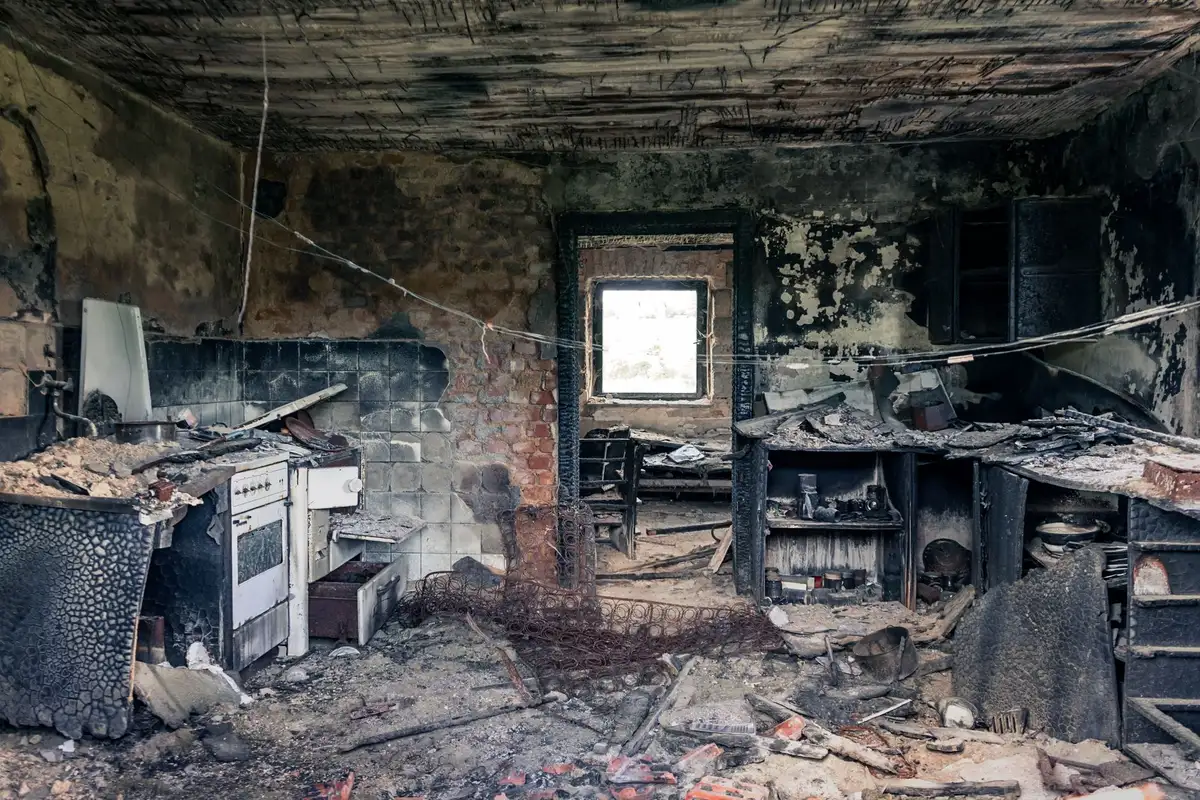
The decree arrives amid a sharp escalation of Ukrainian drone attacks on Russian industrial and logistics infrastructure. According to The Insider, Ukrainian drones successfully struck Russian refineries at least 194 times in the first half of 2026 alone—11 times the rate in the same period of 2025. By April, the monthly average of successful strikes on refinery production facilities and tank farms exceeded ten and held at roughly that level, with some refineries hit multiple times and forced to halt operations for weeks.
Since July 18, the warehouse infrastructure of major Russian online retailer Wildberries has come under systematic attack. By August 19, The Insider had counted 21 attacked marketplace facilities across 16 Russian regions, affecting a combined storage area of about 2.3 million square meters. Fourteen facilities covering about 1.77 million square meters sustained significant damage, forcing the company to relocate operations. Ukrainian President Volodymyr Zelensky stated that the targeted logistics centers supplied the Russian army with drone production components, navigation equipment, and gear.
On August 22, Ukrainian drones struck a logistics facility of online retailer Ozon for the first time, hitting a warehouse in Samara Region. Over the following days, drones struck Ozon warehouses in Dagestan, Adygea, Krasnodar Krai, and Stavropol Krai, with fires breaking out at facilities near Krasnodar and Makhachkala, forcing them to halt operations.
The timing of Putin’s decree reflects mounting pressure on Russian infrastructure from the sustained drone campaign. Three days before signing the order, Deputy Prime Minister Alexander Novak instructed oil companies to revise refinery maintenance schedules to avoid exacerbating fuel shortages. The decree explicitly names untimely restoration of critical infrastructure after damage as grounds for state seizure, creating direct consequences for owners who cannot repair facilities quickly enough.
Russia has a recent history of wartime asset seizure. According to analysis from the Centre for Eastern Studies, the total value of assets seized during the first three years of the full-scale war with Ukraine, through March 2025, stood at around 2.6 billion dollars. In 2024 alone, at least 67 companies were nationalized with total revenues exceeding 807.6 billion rubles. The new decree extends this pattern to infrastructure deemed inadequately protected or too slow to repair, giving the state sweeping authority over private assets in critical sectors during wartime.
Sources
- The Moscow Times — Putin’s executive order allowing state control of critical infrastructure, context on Ukrainian drone attacks on refineries and warehouses
- The Insider — Full text and analysis of Decree No. 604, detailed statistics on Ukrainian drone strikes (194 successful refinery hits in first half of 2026), Wildberries and Ozon warehouse attacks, Deputy PM Novak’s refinery maintenance instruction
- Centre for Eastern Studies — Historical precedent on Russian wartime asset seizure (2.6 billion dollars seized through March 2025, 67 companies nationalized in 2024)
- Al Jazeera — Context on Ukraine’s escalated drone campaign and fuel crisis impact