
Data center moratoriums have spread to 18 states as regulators push back against rapid expansion driven by artificial intelligence demand, citing concerns about electricity consumption, grid reliability, and rising utility costs. New York became the first state to impose a statewide moratorium on July 14, 2026, when Governor Kathy Hochul signed an executive order pausing environmental permits for large data centers consuming 50 megawatts or more for one year.
The moratoriums mark a significant shift in state policy. Earlier in 2026, lawmakers in at least 14 states had proposed or were considering data center restrictions, but New York’s action set a precedent that has since accelerated adoption across the country.
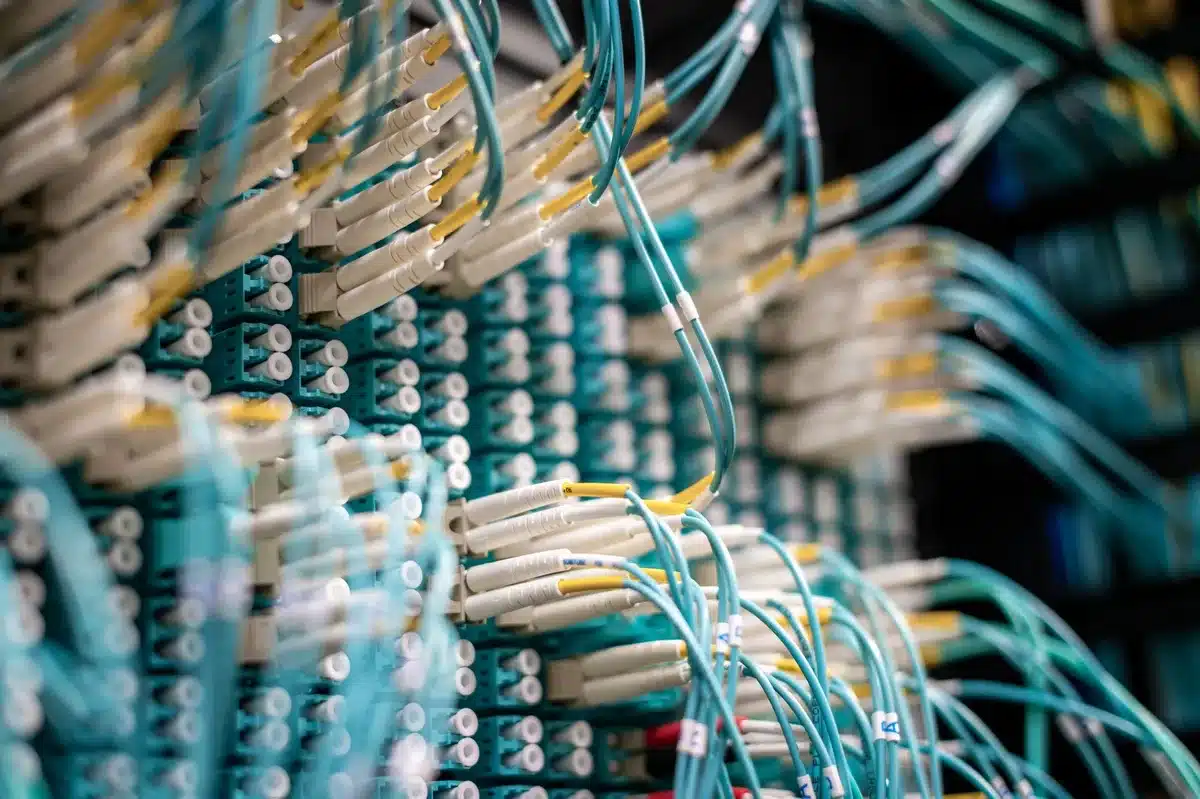
Data center power demand surged 26% in 2026 as AI drives electricity consumption, creating acute pressure on state power grids. U.S. data centers now consume approximately 6 percent of all electricity in the country, according to recent analyses, with projections suggesting that figure could rise to 9 to 12 percent by 2028 to 2030. A single hyperscale data center can use as much electricity as 100,000 households, placing enormous strain on regional infrastructure.
States cite three primary concerns driving the moratoriums: energy affordability for residents, grid stability, and water usage. In Texas, Governor Greg Abbott ordered state regulators to pause grid approvals for new data centers in August 2026 after the state faced an estimated 474 gigawatts of interconnection requests, warning that the scale of development “could endanger the reliability and stability of the Texas electric grid.” Colorado, Minnesota, and other states have enacted similar temporary pauses at local and state levels.
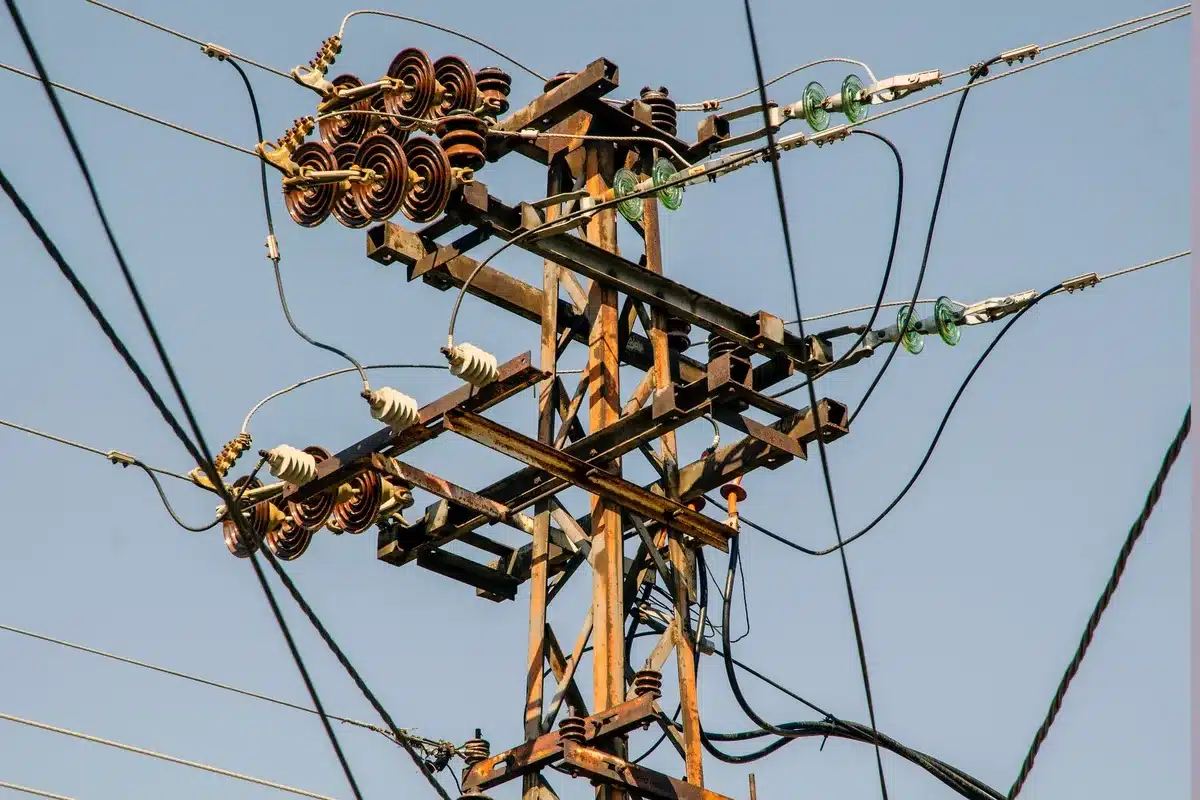
Rather than permanent bans, most states are using moratoriums as a tool to develop comprehensive regulations. Pennsylvania restricted data center development with an executive order that will remain in effect while the state drafts permanent oversight rules. New York’s pause will allow the Department of Public Service to finalize an environmental impact study and establish standards requiring data centers to procure electricity from renewable sources and cover the full cost of grid upgrades, rather than passing those expenses to residential ratepayers.
The spread of moratoriums reflects broader tension between federal efforts to accelerate AI infrastructure development and state-level concerns about environmental and economic impacts. Lawmakers in 27 states have advanced data center legislation addressing energy costs and moratoriums, pushing back against a federal permitting push to streamline approvals. At least 100 local jurisdictions have also approved their own data center moratoriums or restrictions, signaling sustained grassroots opposition to unrestricted expansion.
Sources
- Interconnected Capital — tracker showing 18 active state moratoriums as of August 2026
- Governor of New York — July 14, 2026 executive order establishing first statewide moratorium on hyperscale data centers
- Reuters — New York moratorium details and 50-megawatt threshold
- Berkeley National Laboratory — data centers could represent up to 12% of U.S. electricity consumption by 2028
- Network World — state concerns about electricity price increases, water consumption, and grid reliability
- Ars Technica — Texas grid approvals pause and 474-gigawatt interconnection request backlog
- WilmerHale — states using moratoria to develop permanent AI infrastructure regulations
- Multistate — 27 states advancing data center legislation on energy costs and moratoriums