Jeremy Clarkson has warned that his 1,000-acre Diddly Squat Farm in Oxfordshire faces a devastating harvest as the UK grapples with unprecedented heatwave conditions and drought. On August 9, the television presenter shared a screenshot of a weather forecast showing no rain in sight, declaring his harvest “already f****d” — a stark admission that echoes broader agricultural collapse across the country this summer.
The damage to Clarkson’s farm reflects a national crisis. According to analysis by the Energy and Climate Intelligence Unit (ECIU), the UK’s 2026 cereal and oilseed harvest is on track to be the worst since detailed records began in 1984, with production now forecast at 19.5 million tonnes — surpassing 2020 as the historic low. England experienced its warmest June on record, and England and Wales saw their driest July ever recorded, according to Met Office data cited by Reuters.
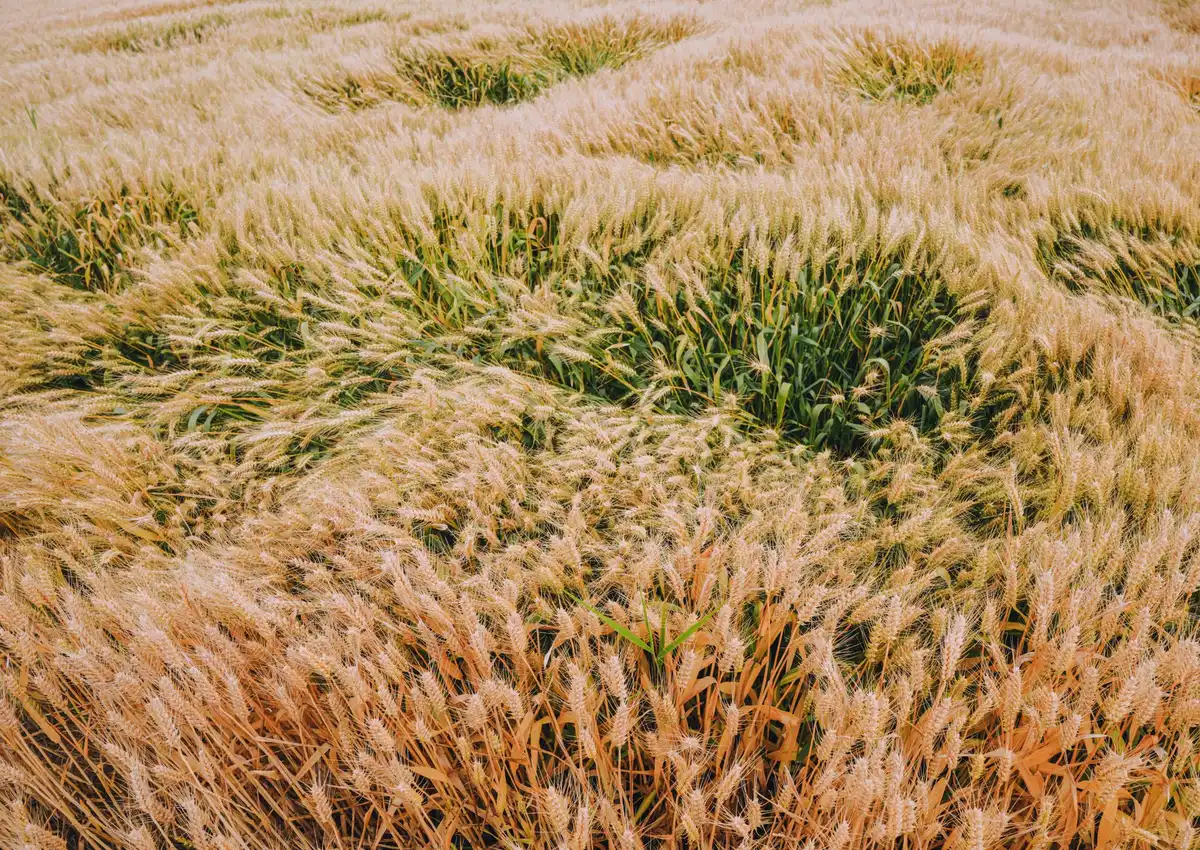
The financial toll is staggering. The ECIU estimates that the extreme growing conditions have knocked as much as 2.5 million tonnes off Britain’s expected cereal and oilseed harvest compared to earlier forecasts, costing UK arable farmers up to £390 million in lost revenue. Wheat yields are expected to fall well below the ten-year average at 6.8 tonnes per hectare, with spring barley and oat yields also down significantly.
Clarkson’s struggle is personal but not unique. Speaking at his summer party last year, he admitted that 2025 had been the “second worst recorded ever” for his farm, adding: “I mean, if there are any farmers here, they’d tell you the same thing. Last year, it was the second worst recorded ever, and we think this year is going to be even worse because it just hasn’t rained.” His farm manager Kaleb Cooper has been monitoring moisture levels closely, waiting for any opportunity to harvest before conditions deteriorate further.
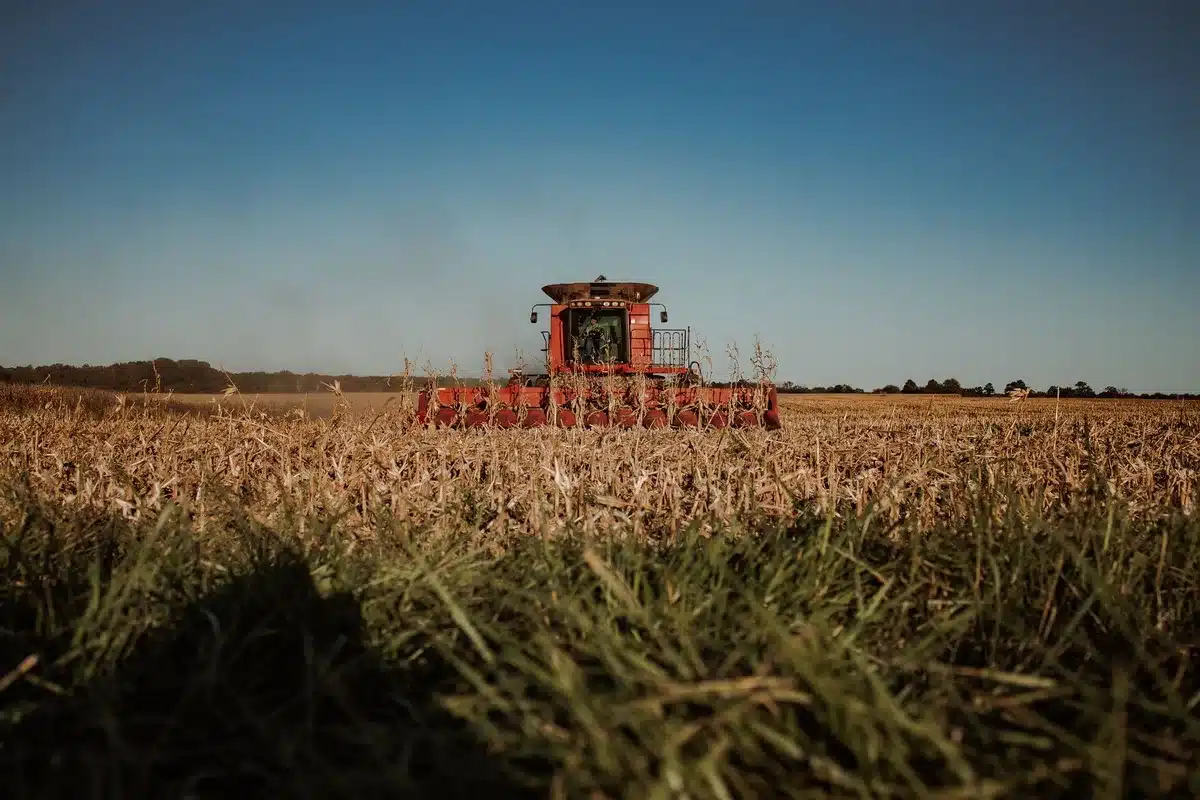
The crisis extends far beyond individual farms. The National Farmers’ Union has warned that Britain could face shortages of certain foods due to the drought, and more than 100 organisations wrote to Prime Minister Andy Burnham in late July urging him to make food production a national priority alongside defence and energy. The repeated heatwaves — England is bracing for its fifth in 2026 — have compounded stress on crops already weakened by an exceptionally hot and dry spring.
The ECIU noted that even if yields are revised upward, 2026 is likely to be one of the five worst harvests since records began. This means four of the five worst harvests on record have now occurred this decade, a pattern linked to extreme weather made worse by climate change. For Clarkson and thousands of other UK farmers, the 2026 season represents not just a financial setback but a stark reminder of how vulnerable food production has become in an era of escalating climate extremes.
Sources
- Reuters — UK cereal harvest forecast, ECIU analysis of 19.5 million tonnes, £390 million loss estimate, wheat yield data, and Met Office weather records
- The Standard — Jeremy Clarkson’s August 9 harvest statement, his farm manager Kaleb Cooper’s monitoring efforts, and prior-year harvest challenges
- Energy and Climate Intelligence Unit (ECIU) — 2.5 million tonne reduction estimate, worst harvest since 1984 forecast, and analysis of four worst harvests in this decade
- National Farmers’ Union — Warning of potential food shortages and call for tax breaks to improve water storage