A magnitude 5.5 earthquake struck off Hachijo Island on August 21, shaking Tokyo and the Kanto region approximately 280 kilometers to the north, as Japan continues to experience frequent seismic activity in one of the world’s most tectonically active zones.
The earthquake occurred at around 9:02 p.m. local time at a depth of about 60 kilometers, according to the Japan Meteorological Agency, with a seismic intensity of 3 on Japan’s 7-point scale registered in Miyake Island and Mikura Island. The epicenter was located at latitude 33.7 degrees north and longitude 140.5 degrees east, placing it in the offshore area east of the Izu Islands.

No tsunami warning or advisory was issued following the earthquake, though the Japan Meteorological Agency continued to monitor aftershock activity in the region. The Kanto region has experienced multiple moderate earthquakes throughout 2026, reflecting the area’s position at the intersection of major tectonic plates.
Hachijo Island sits in one of the world’s most seismically active zones. Japan is located where four of the world’s tectonic plates converge, creating over 2,000 active fault lines across the archipelago, according to the University of Tokyo. The Izu Islands region, home to Hachijo, experiences frequent seismic activity as part of the broader volcanic arc system.
In late August 2026, seismic activity in the Hachijo area had been elevated. The Global Volcanism Program reported that fewer than ten earthquakes occurred per hour by late August, and ground deformation had returned to normal levels by late in the month, indicating the seismic swarm was subsiding.
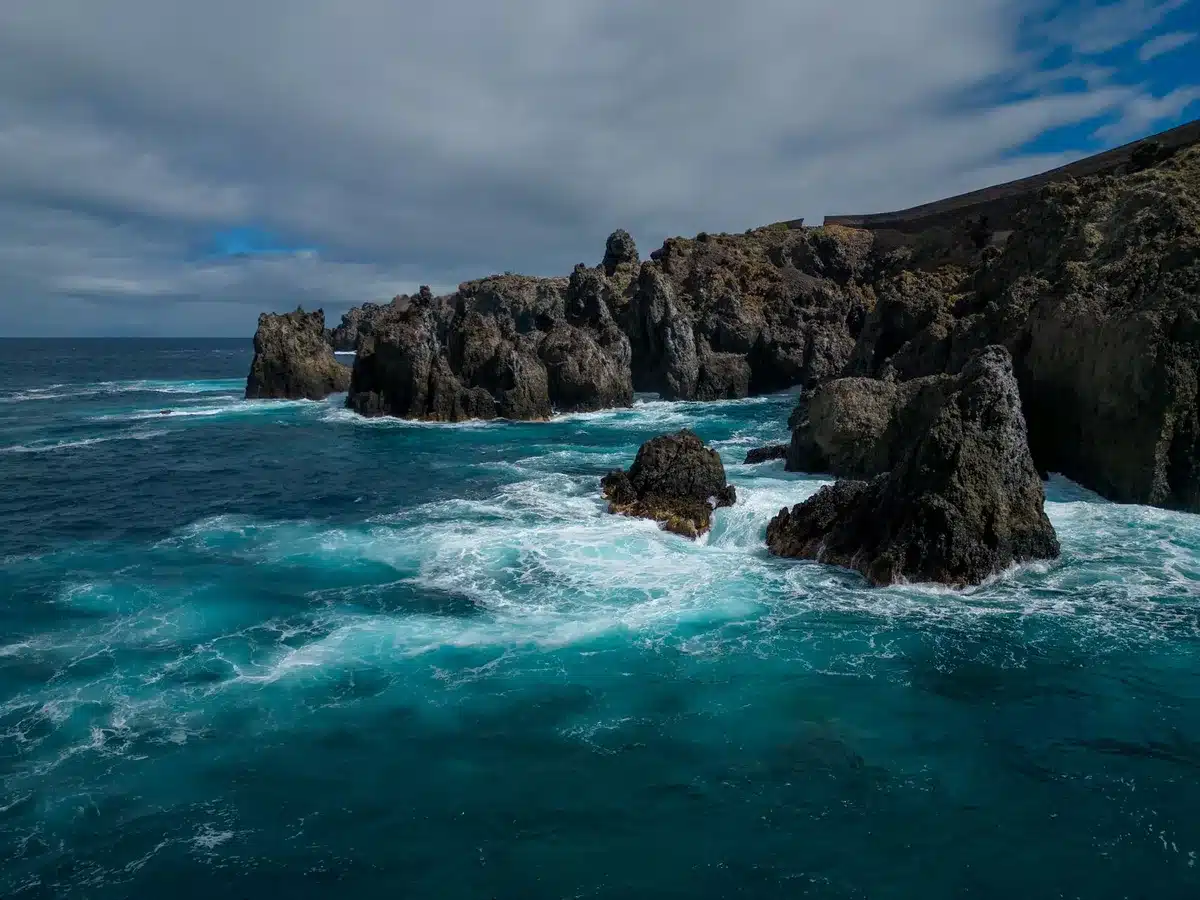
A 5.5 magnitude earthquake shakes Tokyo after striking off Hachijo Island provides additional details on this seismic event and ongoing monitoring efforts in the region.
Sources
- The Star — Confirmed the 5.5 magnitude earthquake struck off Hachijo Island on August 21 at 9:02 p.m., located 280 km south of Tokyo, at a depth of 60 km; measured intensity 3 in Miyake and Mikura Islands; no tsunami warning issued.
- Xinhua News Agency — Reported the earthquake details and Japan Meteorological Agency confirmation; no tsunami warning issued.
- Global Volcanism Program — Documented seismic activity levels at Hachijo-jima in late August, with fewer than ten earthquakes per hour and ground deformation returning to normal.
- University of Tokyo — Noted that Japan has four converging tectonic plates and over 2,000 active faults, making it one of the world’s most active seismic zones.