Amazon is opening its largest-ever physical store, a move that underlines the company’s push to blend online convenience with in-person shopping. The new site will span a far larger footprint than previous locations, but Amazon says a substantial portion of that space will support operations rather than simply display merchandise.
For shoppers, the announcement matters because it signals a continued bet on brick-and-mortar as part of Amazon’s broader retail play. Rather than being a simple supermarket or department store, the location looks designed to serve multiple roles: a place to buy items, a logistics hub for faster fulfillment, and a point of contact with products that are otherwise sold online.
What the space will include
Amazon has emphasized that the store will focus on groceries and general merchandise, but industry observers note the balance of space speaks to a hybrid purpose. Expect a mix of customer-facing and behind-the-scenes uses.
- Grocery offerings — fresh and packaged food options aimed at everyday shopping.
- General merchandise — household goods, electronics, and other fast-moving categories.
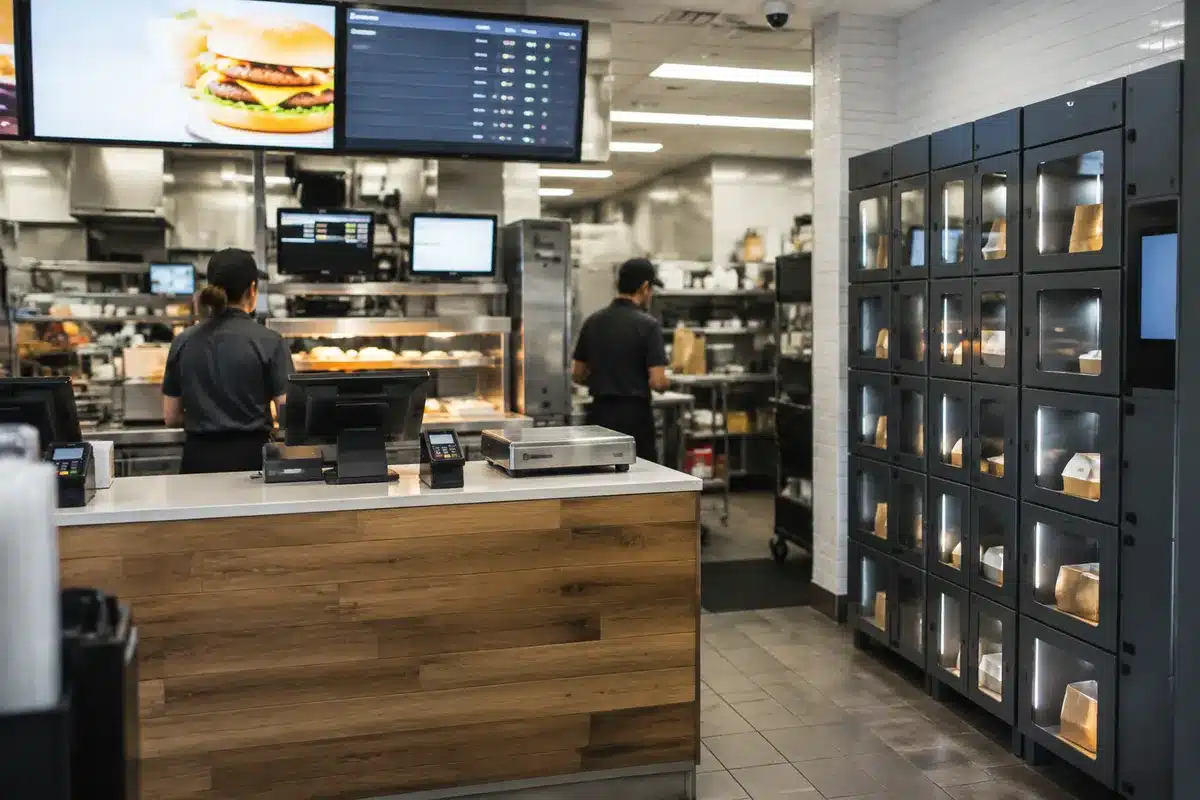
- Customer services — pickup lockers, returns processing, and in-person support for online orders.
- Fulfillment and logistics — back-of-house areas for staging deliveries, short-term storage, and order preparation.
- Experiential elements — product demos, seating or café spaces, and areas for customers to test items.
Why this matters now
Retailers and analysts will watch closely because this store embodies broader shifts in how retailers operate in 2026. Combining sales space with operational infrastructure can cut last‑mile costs and speed up delivery — advantages that directly affect consumers and competing retailers.
The move also reflects a strategic response to changing shopping habits. Many consumers still value seeing and touching products before they buy, while also expecting quick delivery and easy returns. A multi-purpose location addresses both demands.
Potential impacts and trade-offs
The store’s mixed design creates several tangible effects for local markets and the wider retail landscape.
- Jobs: construction and in-store roles could boost employment locally, but more automation and logistics space may limit hiring compared with a traditional retail-only footprint.
- Competition: nearby grocers and big-box stores may face added pressure, particularly on convenience and delivery speed.
- Urban planning: large footprints raise questions about traffic, zoning, and neighborhood fit where the store opens.
- Supply-chain efficiency: consolidating fulfillment functions into retail sites can reduce transport costs and shorten delivery windows.
Outstanding questions
Key details remain unclear: exact store location(s), opening date, and how Amazon will measure success across retail sales versus fulfillment gains. Profitability is not guaranteed—large physical spaces bring high overhead—and the company will need to navigate labor, regulatory and community concerns as it scales this format.
For now, the announcement is notable because it reframes what a “store” can be: part shop, part distribution node, and part customer experience center. Watch for further announcements about locations, services, and how Amazon integrates this model with its existing grocery and online operations.