A recent bankruptcy filing has put Eddie Bauer’s U.S. footprint at risk, with the company facing the potential closure of almost 200 stores. The move comes amid broader pressure on brick-and-mortar chains, and it highlights renewed strain across retail and dining sectors nationwide.
What the filing could mean
Under the terms of the filing, executives are weighing store closures as part of a restructuring plan designed to reduce costs and stabilize operations. If the company follows through, dozens of malls and shopping corridors could lose anchors that helped draw regular foot traffic.
For shoppers the change would be immediate: fewer in-person locations and a sharper shift toward online fulfillment. For employees and local economies, the consequences may include layoffs and reduced spending in areas that rely on store payrolls.
Why this matters now
Retailers have spent the last several years balancing higher operating costs, shifting consumer habits and stronger competition from e-commerce. A bankruptcy-driven round of closures at a known outerwear brand signals those pressures have not eased and could accelerate consolidation across the sector.
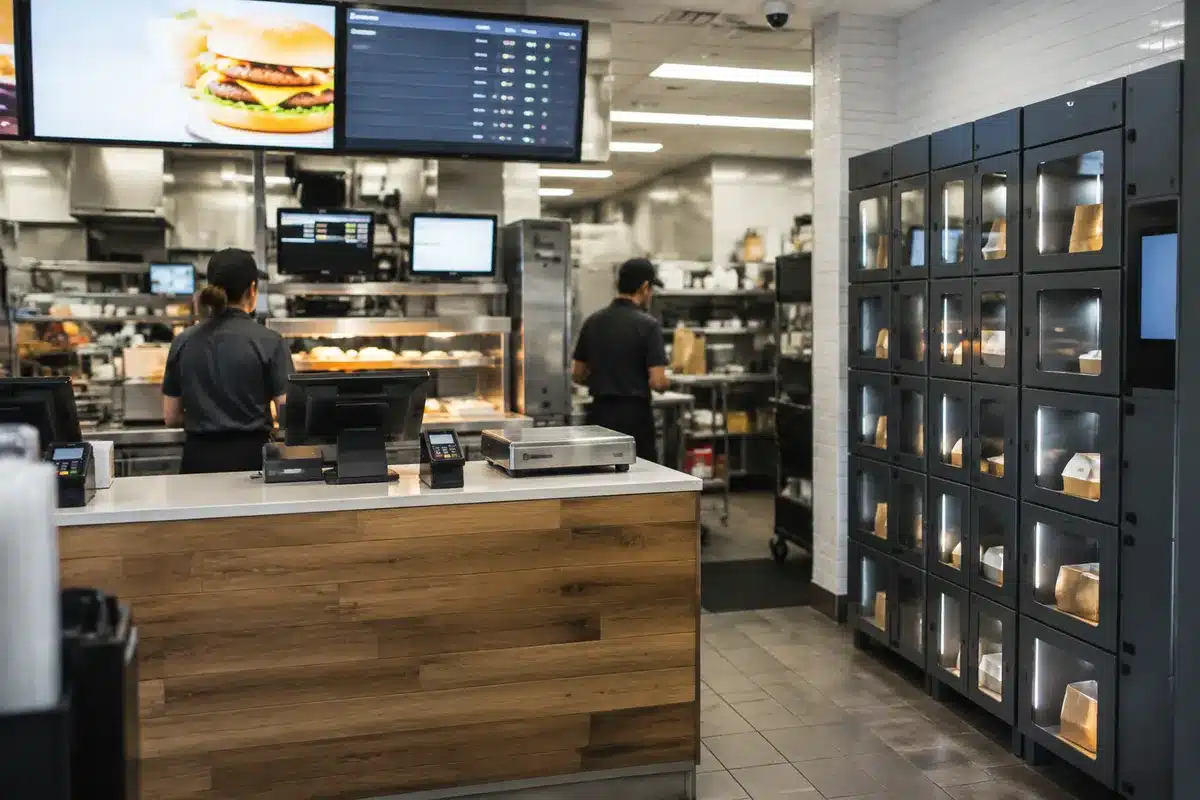
The situation is not limited to apparel. The restaurant industry has also been contracting as operators cope with rising ingredient and labor costs, higher interest rates and softer consumer demand. Taken together, these trends point to tougher conditions for physical businesses that depend on steady foot traffic.
Immediate implications
- Employees: Store-level staff could face job losses or transfers if locations close.
- Landlords and malls: Vacancies may increase, putting pressure on leasing revenues and local retail ecosystems.
- Consumers: Shoppers may see reduced in-store selection and must rely more on online ordering and delivery.
- Competitors: Other brands may pick up market share in categories where physical presence diminishes.
Broader retail context
Analysts point to several structural challenges: higher fixed costs, a fragmented demand environment and the lingering effects of pandemic-era shifts in how consumers shop and dine. Smaller chains and single-location operators typically have less flexibility to absorb these pressures than larger, diversified companies.
Any large-scale closures will also reshape vacancy rates in shopping centers and could force landlords and municipalities to rethink commercial zoning and redevelopment strategies.
What to watch next
Key indicators to follow include final court filings and any announcements on which locations are slated to close. Observers will also track whether the company secures new financing or sells assets as part of the restructuring process.
Beyond this case, the coming months will show whether other chains follow suit or manage to navigate the same headwinds without court intervention. For communities, the stakes are immediate: lost jobs, changed shopping options and the challenge of repurposing vacant retail space.