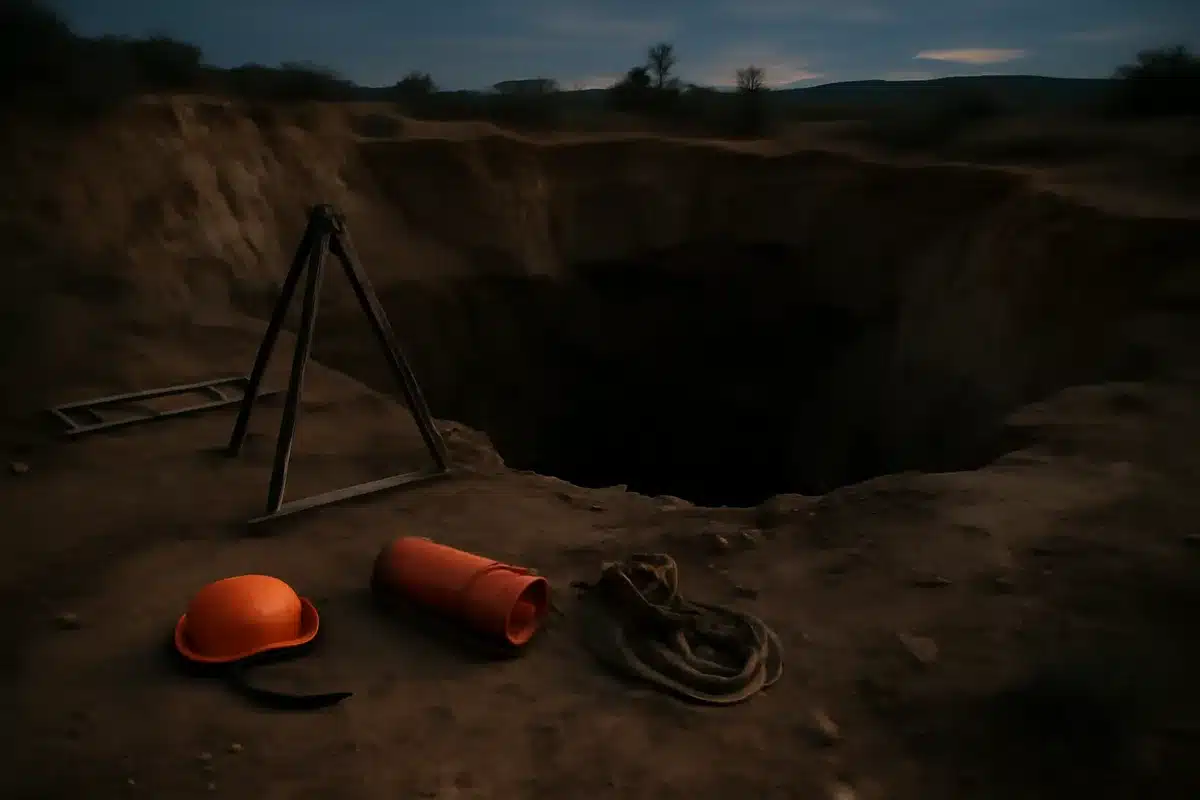
A gold mine collapsed Tuesday in the western part of the Central African Republic, killing at least 30 miners and trapping others beneath the rubble in what authorities and residents described as a catastrophic loss of life at the low-tech artisanal operation.
The collapse occurred in the Abba region of the Nana-Mambere prefecture, according to Florian Gaguende, one of the surviving miners. The sub-prefecture’s deputy mayor, Souleymane Bi, said rescuers and residents managed to pull 30 bodies from the collapsed mine over several hours, with injured miners receiving treatment at local facilities.
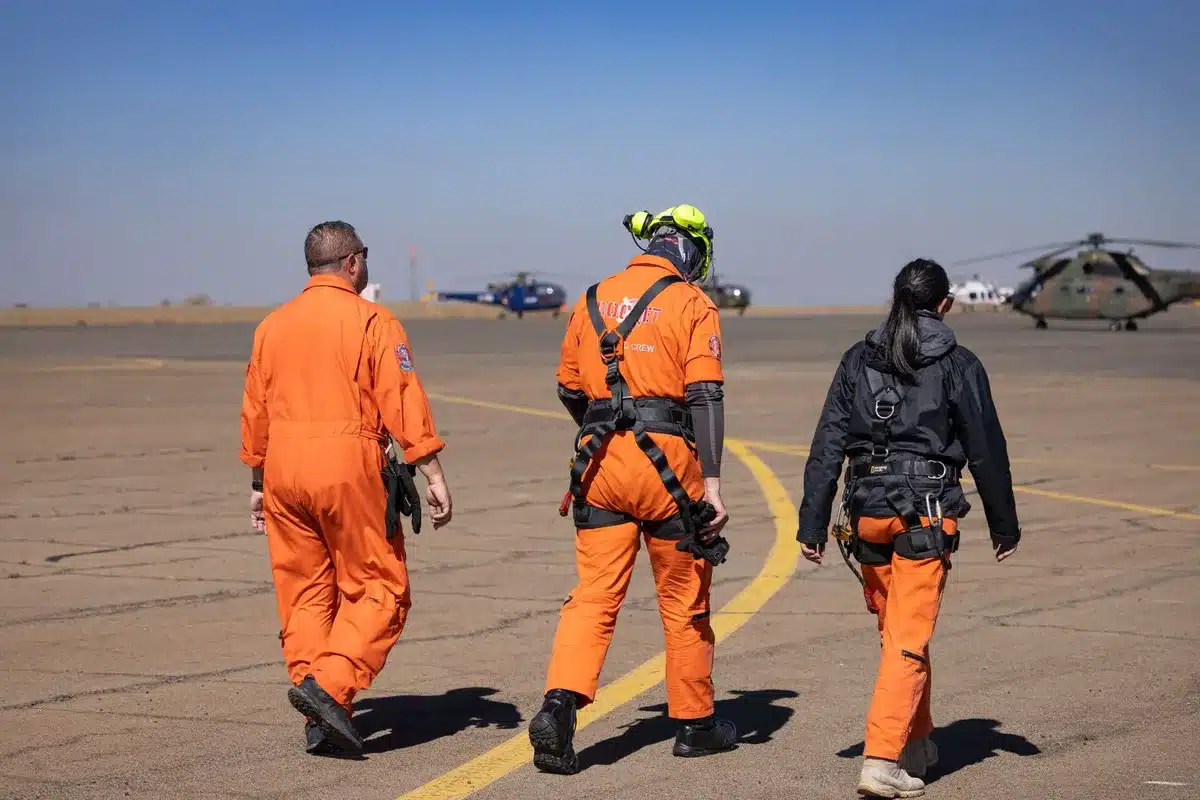
Gaguende said rescuers were searching for additional miners believed trapped, but that the chance of finding them alive “is getting slimmer.” Bi appealed for help, saying: “It is horrible and we are calling for help from organizations and all people of goodwill to help pull from the hole those who are unable to do so.”
Artisanal mine collapses are common in the Central African Republic, where several thousand people work in small-scale extraction mining. The work is risky because miners typically do not have enough protection and the accidents are often deadly, according to NBC News reporting from the scene. Miners, mostly young men and women, could be seen covered in mud pulling bodies from the pit while dozens of other workers scattered around the expansive site shouted for help.
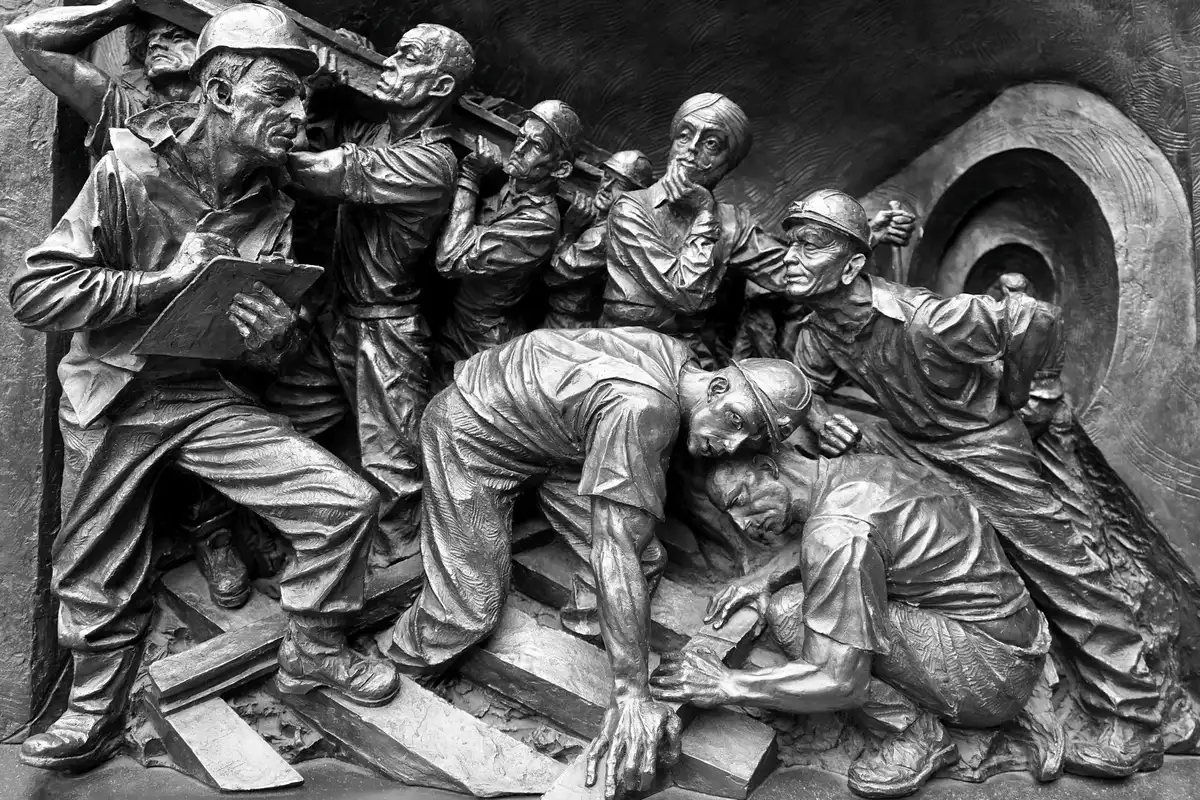
The collapse echoes a far deadlier precedent in the region. In January 2026, more than 200 people were killed in a landslide at the Rubaya coltan mine in eastern Democratic Republic of Congo, according to Al Jazeera and Reuters reporting. That mine, located about 60 kilometers northwest of Goma, collapsed after heavy rains made the ground unstable. A spokesperson for the rebel-appointed governor said at the time: “More than 200 people were victims of this landslide, including miners, children and market women.” The Rubaya disaster illustrated how artisanal mining in Central Africa remains vulnerable to seasonal weather and structural failure.
Artisanal mining hazards are well documented across Africa. Miners work underground without proper safety gear, exposing themselves to cave-ins, poor air quality, and accidents, according to research on occupational health and safety in mining. The lack of personal protective equipment, unsafe pit design, and absence of ventilation systems compound the danger. Government spokesman Evariste Ngamana expressed sympathy for the victims’ families and said authorities are “working hard to provide relief and assistance” to those affected by the Central African Republic collapse.
Sources
- NBC News — details of the collapse location, death toll, rescue efforts, and context on artisanal mining in the Central African Republic
- Associated Press — confirmation of the collapse date, location, and death toll
- Al Jazeera — reporting on the January 2026 DR Congo Rubaya mine collapse precedent, death toll, and causes
- Reuters — confirmation of the DR Congo collapse death toll and eyewitness accounts from miners
- Mining and occupational safety research — documentation of artisanal mining hazards including lack of PPE, cave-ins, and unsafe conditions