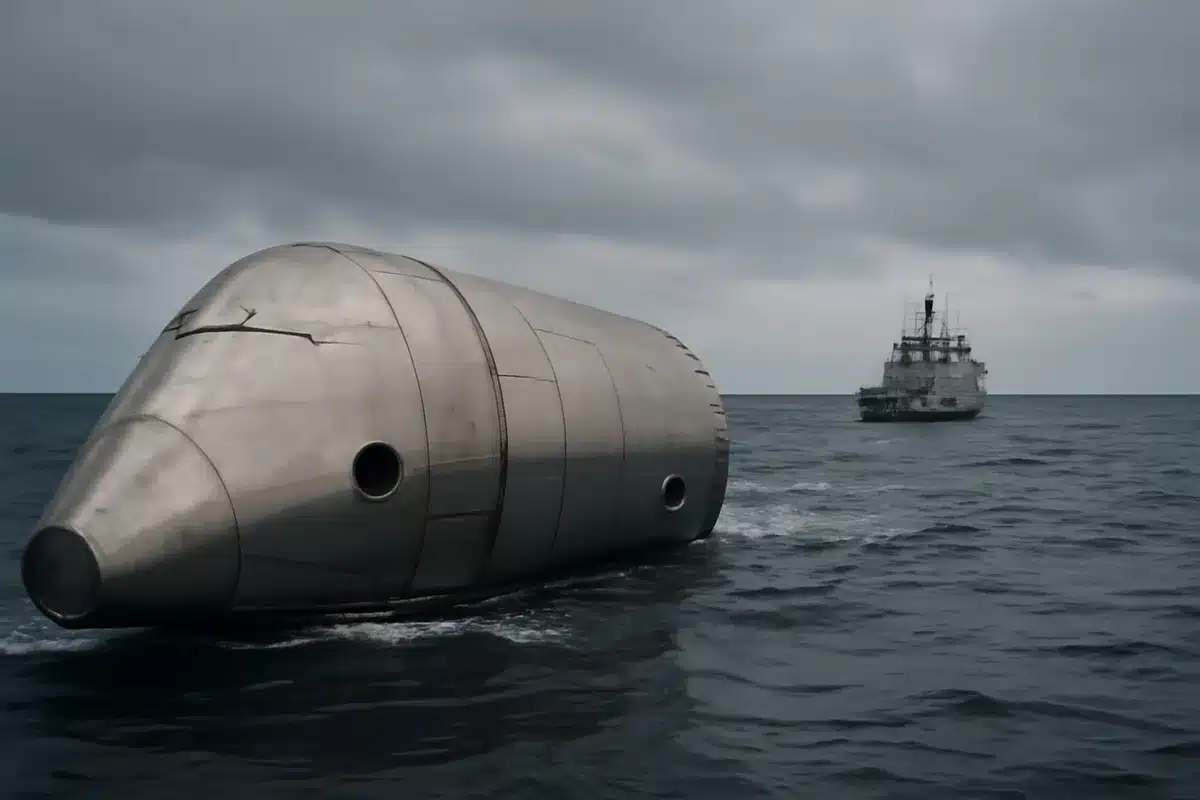
SpaceX’s Starship upper stage has been recovered off Christmas Island after approximately 24 days at sea, marking a major milestone in the company’s effort to develop a fully reusable super-heavy lift vehicle. The 52-meter-tall spacecraft, designated Ship 40, achieved an intact soft splashdown in the Indian Ocean on July 24, 2026, during Flight 13, and remained buoyant long enough for SpaceX’s recovery fleet to tow it to port near the Australian territory.
The recovery team faced challenging conditions throughout the operation, battling increasingly rough seas as they guided the vehicle across the open ocean. Despite setbacks from weather and ocean conditions, the team successfully positioned Ship 40 just off Christmas Island’s coast on August 18, 2026, completing what SpaceX described as a historic recovery effort.
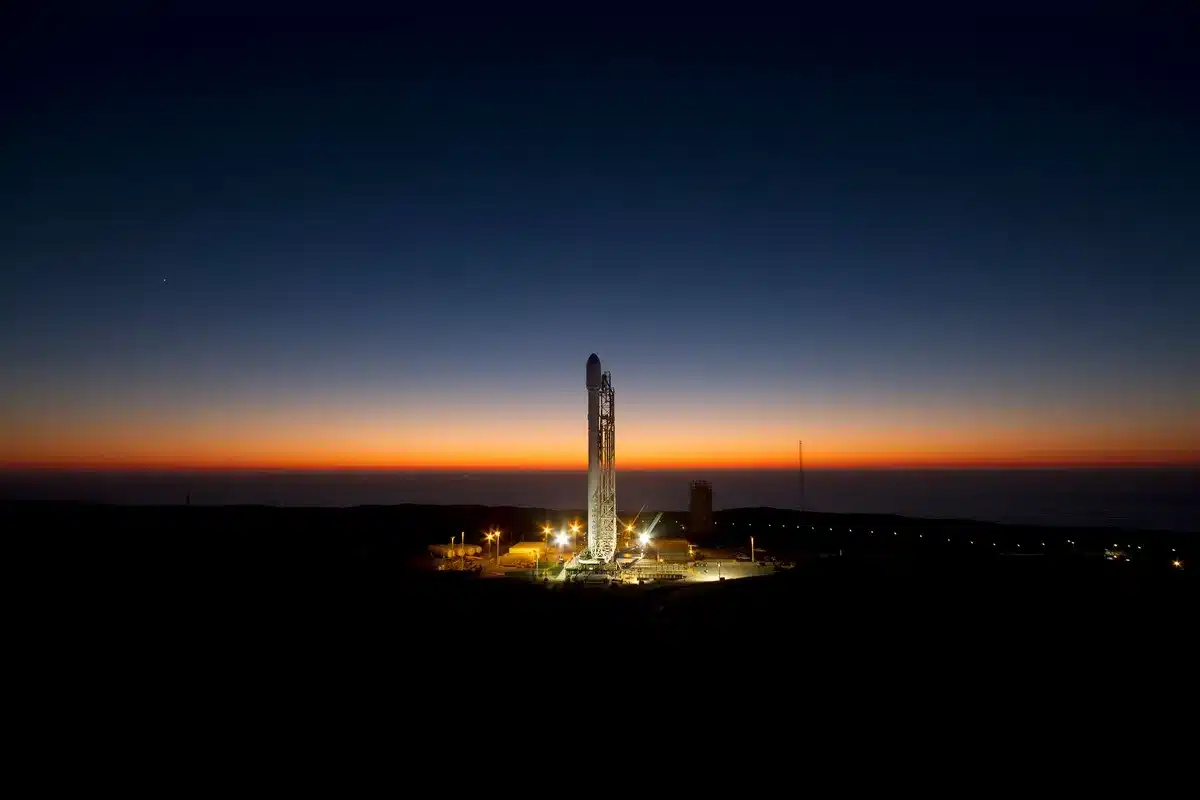
Flight 13 itself achieved multiple firsts for the Starship program. The upper stage executed a controlled reentry, performed a landing flip maneuver, and completed a powered landing burn before splashing down intact in the Indian Ocean approximately 65 minutes after liftoff from Texas. For the first time in Starship’s test history, the vehicle remained in one piece after water impact and stayed afloat, allowing recovery operations to proceed.
The mission also deployed 20 operational Starlink V3 satellites, representing the first deployment of the next-generation satellites in the program’s history. This combination of a successful satellite deployment and an intact upper-stage splashdown demonstrated that Starship could accomplish its primary mission while simultaneously proving the viability of ocean recovery.
Upper-stage recovery is essential to SpaceX’s long-term vision for Starship. The upper stage accounts for approximately 20 percent of the total mission cost, meaning that recovering both the booster and the upper stage would position Starship as a fully reusable vehicle. This level of reusability would dramatically reduce launch costs compared to expendable rockets and enable rapid turnaround between flights. SpaceX has already demonstrated the value of booster reusability with Falcon 9, which reduced launch costs by roughly 30 percent through first-stage recovery.
The recovery effort itself represents uncharted territory for SpaceX. While the company has routinely recovered Falcon 9 first-stage boosters via autonomous droneships or ground landing, recovering a massive upper stage from the open ocean over thousands of kilometers required a specialized fleet of tow vessels and unprecedented logistical coordination. The 24-day journey from the splashdown site in the Indian Ocean to Christmas Island demonstrated both the feasibility of such operations and the obstacles SpaceX must overcome to make them routine.
Earlier attempts to recover Starship upper stages in previous test flights had been unsuccessful, with vehicles either exploding during reentry or being lost at sea. Flight 13’s intact splashdown changed that trajectory, proving that the soft landing and recovery concept could work in practice. SpaceX’s recent earnings beat and $7.8 billion revenue surge reflect investor confidence in the company’s progress on reusability and other advanced programs.
The next phase will involve detailed inspection and analysis of Ship 40 to assess the condition of the vehicle after its extended ocean exposure. Engineers will examine the structure, avionics, engines, and other systems to determine what repairs or refurbishment might be needed before a potential refly. The data gathered from this recovery and inspection will directly inform the design and procedures for future ocean recovery operations as SpaceX works toward making upper-stage reuse a standard part of Starship operations.
Sources
- KVEO-TV — confirmed Starship Flight 13 recovery after 24 days at sea off Christmas Island
- The Australian — reported the 52-meter Starship towed to Christmas Island after splashdown in the Indian Ocean
- Space.com — documented Flight 13’s soft splashdown on July 24, 2026, and the vehicle’s intact condition
- Florida Today — detailed the recovery effort and challenging sea conditions
- WESH — described the soft landing, landing flip, and landing burn sequence during Flight 13
- CNN — provided satellite imagery showing the recovery fleet’s operations in early August
- USA Today — reported on SpaceX’s plans for upper-stage recovery and reusability