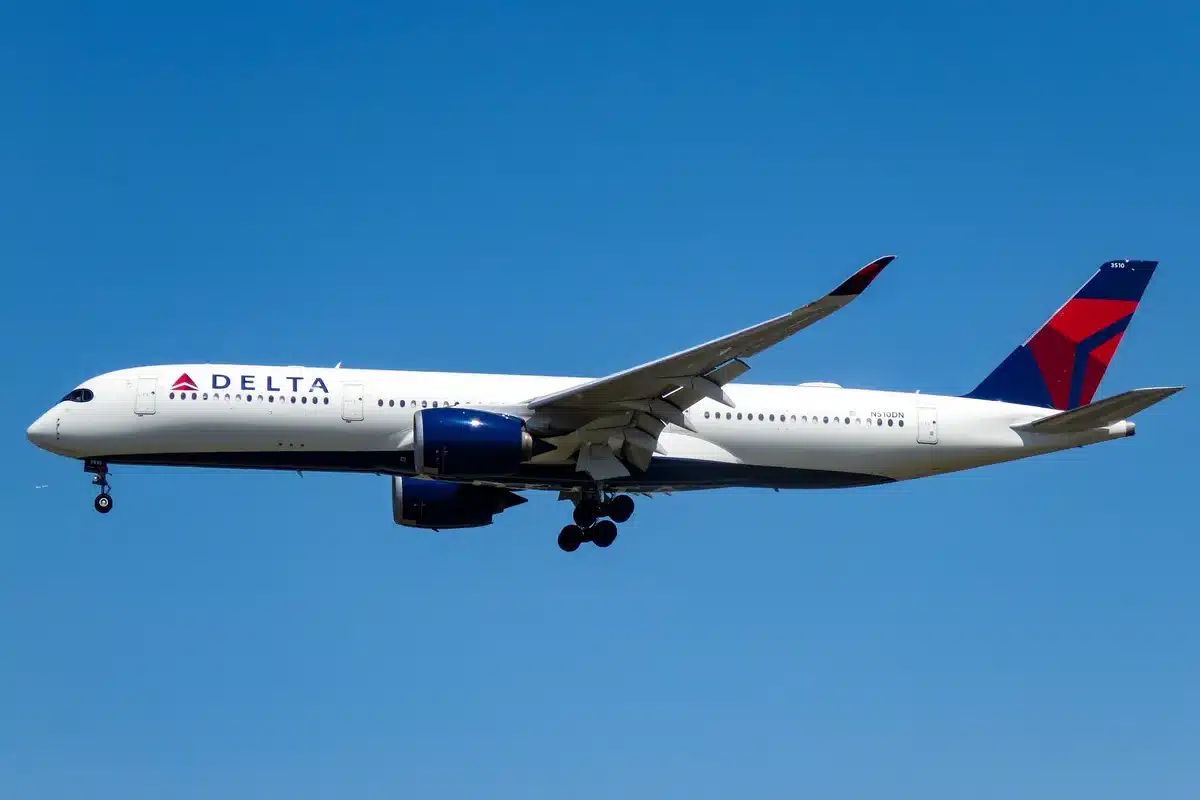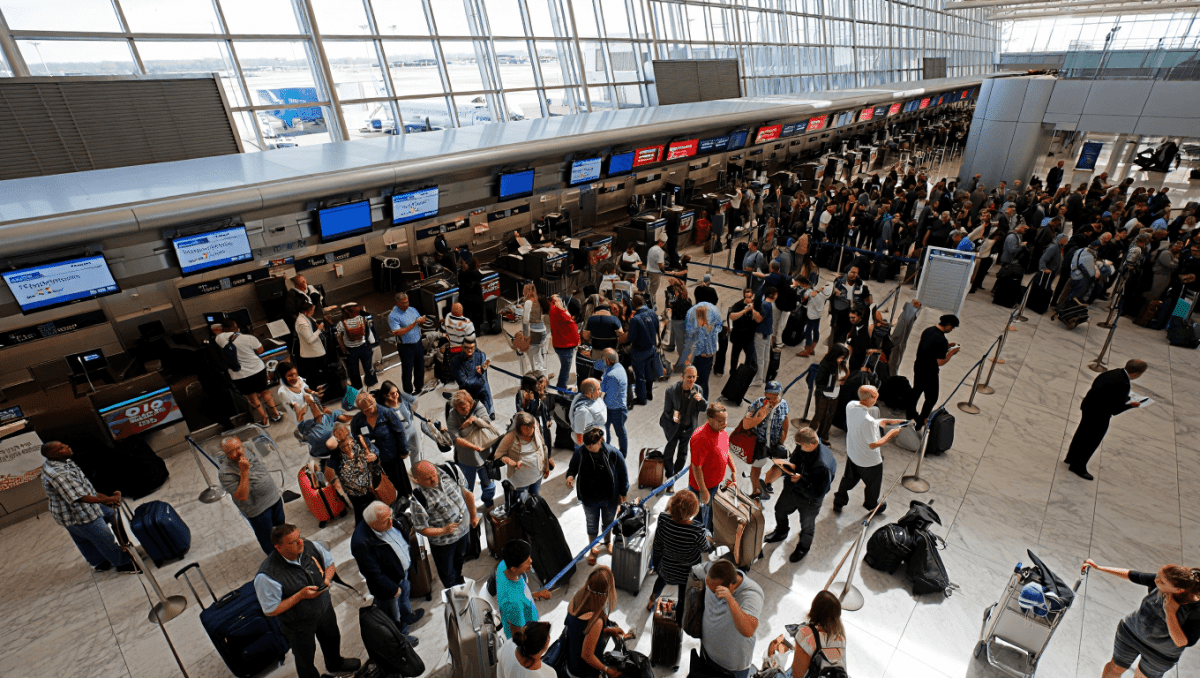
Air travel disruptions escalated at the weekend and spilled into Monday, with cancellations reaching an unprecedented level on Sunday and turbulence continuing into the new week. By mid-morning Monday, more than 4,500 flights had been scrapped and roughly 11,000 were delayed, leaving airports and passengers scrambling as the outlook showed little immediate relief.
What happened and why it matters now
Sunday’s total set a new high for one-day cancellations, and the carryover into Monday amplified the effect: missed connections, packed rebooking lines, and mounting delays for both leisure and business travelers. The scale of the disruption matters because it compounds across the network — when a hub airport falters, ripple effects can strand passengers for days.
Industry watchers say the situation reflects a mix of pressures. Officials and airline spokespeople have pointed to a combination of severe weather pockets, air-traffic-control constraints and lingering staffing shortfalls as the main drivers. Those factors together make recovery slower than usual even when conditions improve.
Immediate impacts on passengers and cargo
- Connections: A single canceled segment can cascade into multiple missed flights for travelers with tight schedules.
- Airport congestion: Gate areas and customer-service counters face long lines as rebooking and refunds are processed.
- Cargo and supply chains: Delays ripple into time-sensitive freight, affecting shipments that rely on air transit.
- Operational strain: Crews and equipment displaced by cancellations reduce airlines’ ability to restore normal schedules quickly.
Beyond individual inconvenience, the disruptions can force shifts in airline timetables, increase costs from repositioning crews and aircraft, and intensify pressure on already stressed airport operations.
Where the pressure is highest
Large hub airports tend to show the worst knock-on effects because so many itineraries converge there. Smaller regional carriers can also be strained if they feed into troubled hubs, amplifying delays across the system.
Flight-tracking services reported the bulk of cancellations and late departures clustered around high-traffic corridors and major transfer points, although no single region remained immune.
What travelers should expect
Expect longer wait times for customer service, slower baggage processing and more last-minute schedule changes. Rebooking windows may fill quickly, and alternative routings can add hours to planned trips.
Practical steps—such as checking airline notifications and confirming connections before leaving for the airport—can reduce surprises, but the persistence of the disruption means many passengers will still face extended waits.
Outlook
Airlines and airports typically work through multi-day recovery phases after a major wave of cancellations. While localized improvements should appear as weather clears and staff are repositioned, the cumulative backlog means the system may remain fragile for the rest of the day and into tomorrow.
The coming 24–48 hours will be decisive in determining how quickly schedules stabilize. In the meantime, travelers should monitor updates closely and plan for potential delays.