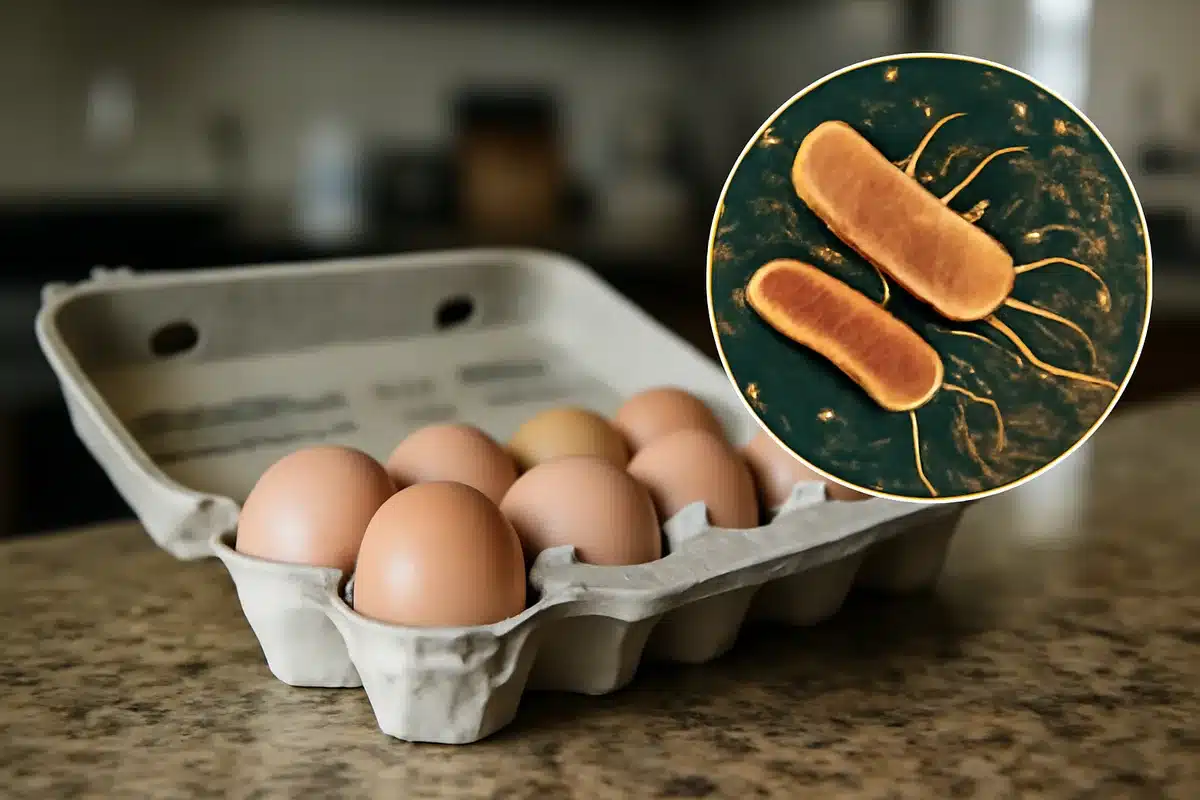
The U.S. Food and Drug Administration has upgraded its recall of nearly 1.6 million cartons of eggs from Midwest Poultry Services to Class 1, the highest risk level, citing the potential for serious adverse health consequences or death from salmonella contamination.
The designation, issued on August 14, 2026, applies to white shell eggs and brown cage-free shell eggs produced at Texas farms between June 6 and July 3, 2026. Recalled products carry sell-by or best-by dates ranging from July 20 to August 17 and were sold under various brand names at retailers including Kroger and Brookshire Grocery stores across six states: Arkansas, Louisiana, Mississippi, New Mexico, Oklahoma, and Texas.
A Class 1 recall, according to FDA guidance, indicates “a situation in which there is a reasonable probability that the use of or exposure to a violative product will cause serious adverse health consequences or death.” Salmonella, a bacterial infection, typically causes diarrhea, fever, and stomach pain; while symptoms often resolve on their own, severe infections can lead to dehydration requiring hospitalization or, in rare cases, life-threatening complications if the infection spreads beyond the intestines.

The Outbreak Behind the Upgrade
The initial recall was issued on July 22, 2026, after Midwest Poultry Services, L.P., a North Manchester, Indiana-based producer, identified potential salmonella contamination. The FDA upgraded the classification after an associated outbreak confirmed 98 cases of salmonella illness across 17 states, with illness onset dates ranging from November 21, 2025, through June 30, 2026. Among those cases, 26 people required hospitalization, and no deaths have been reported.
According to FDA investigation data, 91% of 44 ill persons with available information reported eating eggs before becoming ill, establishing a strong link between the recalled product and the outbreak. Most cases—73 of the 98—originated in Texas, the state where the eggs were produced.
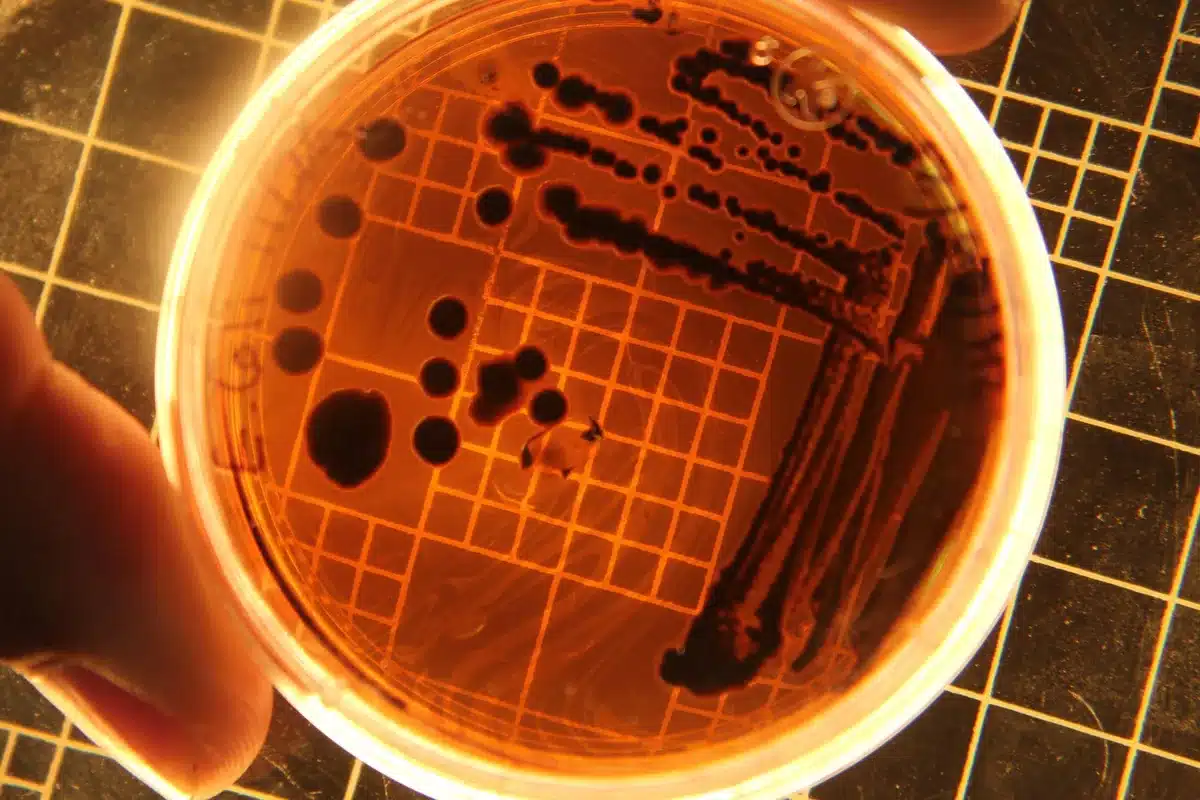
The timing discrepancy between the outbreak onset (November 2025) and the production window of the recalled eggs (June–July 2026) indicates that illnesses may have occurred from eggs produced earlier in the year or from other sources, though the recalled batch is now the focus of the heightened alert. The FDA’s Class 1 designation signals confidence that the recalled eggs pose a genuine risk to public health and warrants immediate consumer action to check refrigerators for affected cartons and discard any matching products.
Consumers can identify recalled eggs by checking carton codes that begin with “P-” followed by facility codes and production dates. The FDA has published a complete list of affected products and retailers. For those who may have consumed the recalled eggs and experience symptoms of salmonella infection—diarrhea, fever, or abdominal cramping—medical attention is recommended, particularly for young children, elderly individuals, or those with compromised immune systems.
Sources
- FDA — official recall notice and outbreak investigation data
- CDC — salmonella outbreak case counts and state distribution
- CBS News — Class 1 classification details and retail distribution information
- The New York Times — outbreak timeline and case details