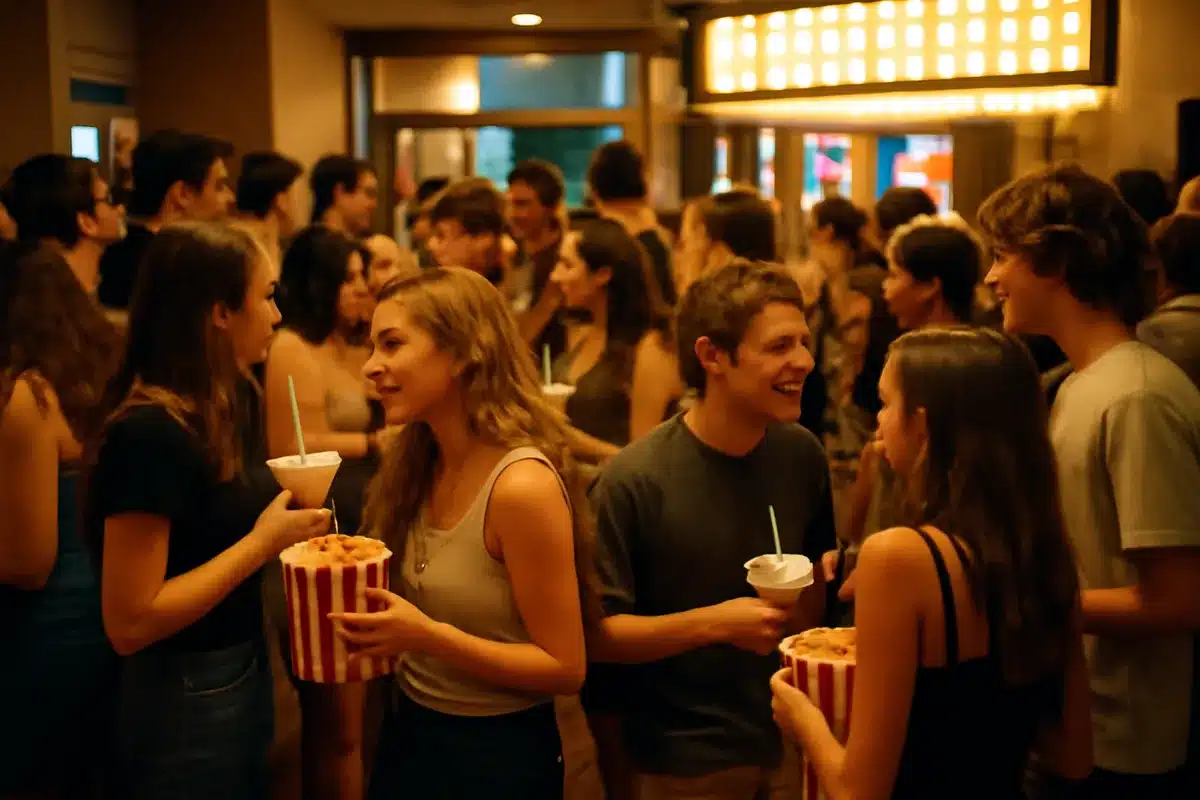
Gen Z is claiming a cultural breakout this summer after years of pandemic-driven malaise, according to a viral narrative that has taken hold across social media and mainstream outlets. The shift marks a dramatic reversal from the post-pandemic pessimism that characterized the generation’s early-to-mid 2020s, as young people increasingly trade online isolation for packed movie theaters and offline social engagement.
Vox published “2026 is Gen Z’s breakout summer” on August 7, framing the moment as a generational turning point. The piece, written by Rachel Janfaza, founder of research firm The Up and Up, documents how “performative pessimism is out” and a new mood of joy is taking hold. Janfaza noted that her career spent documenting Gen Z’s coming of age had been “characterized by the experience of the pandemic, which left many still feeling bitter and isolated even years later.” Now, she argues, “a cohort whose coming of age was stunted by the chaos of 2020 is finally coming out of its shell.”
The summer has been dubbed “the Great American Sleepover” and is being called “the good ole days” and “the best of times” by young people on social media. The cultural moment centers on a dramatic return to offline activities, particularly moviegoing.
Box office data confirms the shift. Spider-Man: Brand New Day, released July 31, set an opening-weekend record in North America with $360 million, according to The Economist. A survey cited by The Atlantic found that 87 percent of Gen Z had watched at least one film in theaters in 2026, a striking rate of theatrical engagement. Multiple films—including “Obsession,” “The Odyssey,” and horror titles—have shattered box office records, with directors of some becoming the youngest filmmakers to top the domestic box office.
This turnaround follows years of documented mental health struggles for the generation. Young people’s mental health plummeted during the pandemic as they opted for online engagement over offline opportunities, according to the Vox piece. A 2025 report from Harmony Hit found that 46 percent of Gen Z has a mental health diagnosis, though optimism has been rising. The pandemic-era shift toward online interaction, pessimism, and nostalgia for simpler times has now given way to what observers are calling a genuine cultural moment of collective joy.
The broader context reveals a generation seeking to reclaim experiences lost during lockdowns. Vox noted that young people had “channeled their frustration into nostalgia for simpler times” in the years after 2020. Now, the focus has shifted: packed movie theaters, social gatherings, and outdoor activities have become the centerpiece of the summer narrative. The shift is being interpreted by cultural observers as evidence that Gen Z is finally moving beyond the trauma of its pandemic-disrupted adolescence.
Sources
- Vox — “2026 is Gen Z’s breakout summer” by Rachel Janfaza (August 7, 2026); documented the shift from post-pandemic malaise to cultural engagement, cited mental health impacts of the pandemic, and described the “Great American Sleepover” cultural moment.
- The Economist — “Gen Z has rediscovered the joy of going to the movies” (August 11, 2026); reported Spider-Man: Brand New Day opening-weekend box office record of $360 million and noted five films grossing over $1 billion globally.
- The Atlantic — “Is Gen Z Really Saving Hollywood?” (August 2, 2026); cited survey finding that 87 percent of Gen Z watched at least one film in theaters in 2026.
- Harmony Hit — “State of Gen Z Mental Health 2025”; reported that 46 percent of Gen Z has a mental health diagnosis, with rising optimism noted.