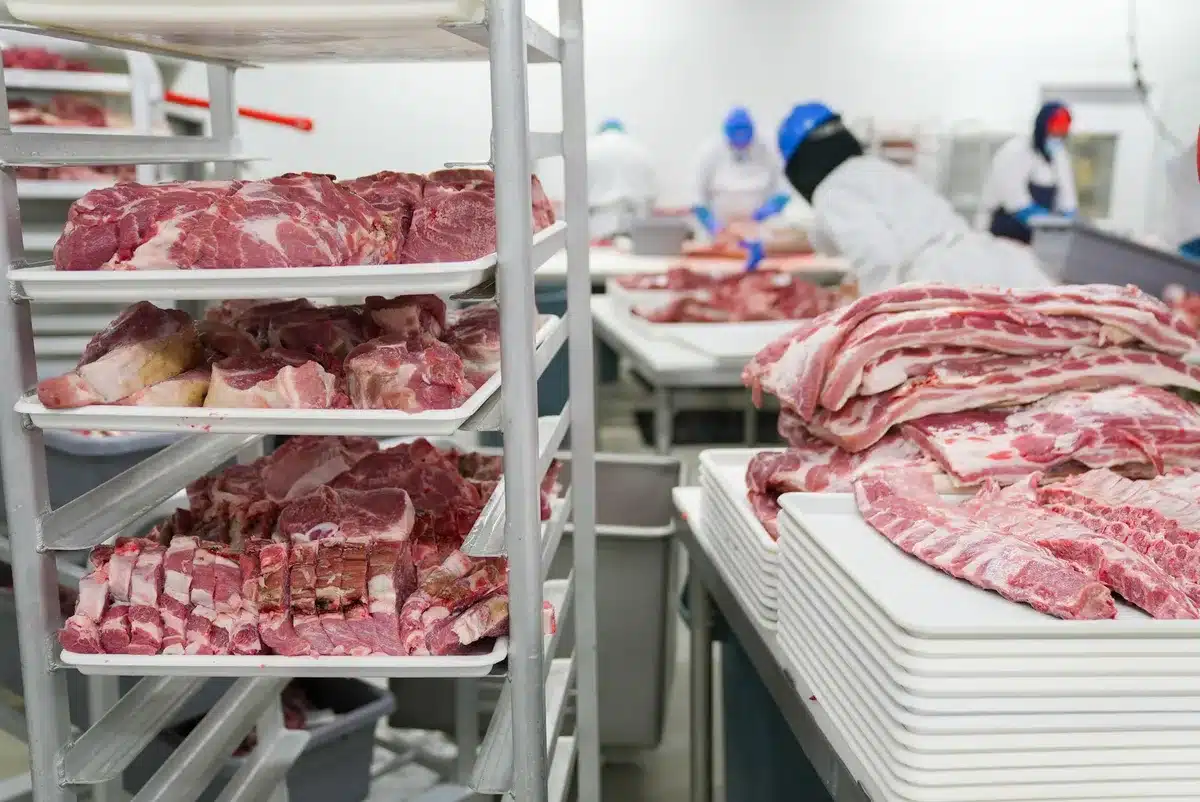
Tyson Foods announced on August 13, 2026, that it will close its beef processing plant in Joslin, Illinois, pursue the sale of its Pasco, Washington facility, and shut down a case-ready facility in Eagle Mountain, Utah, as the company restructures amid a historic cattle shortage.
The Joslin closure will affect approximately 2,700 workers in the Quad Cities region, according to local news reports. Tyson said workers will continue to receive pay through October but will lose health insurance and steady employment. The closure becomes effective around August 13, 2026, following what the company described as “without warning” to employees.
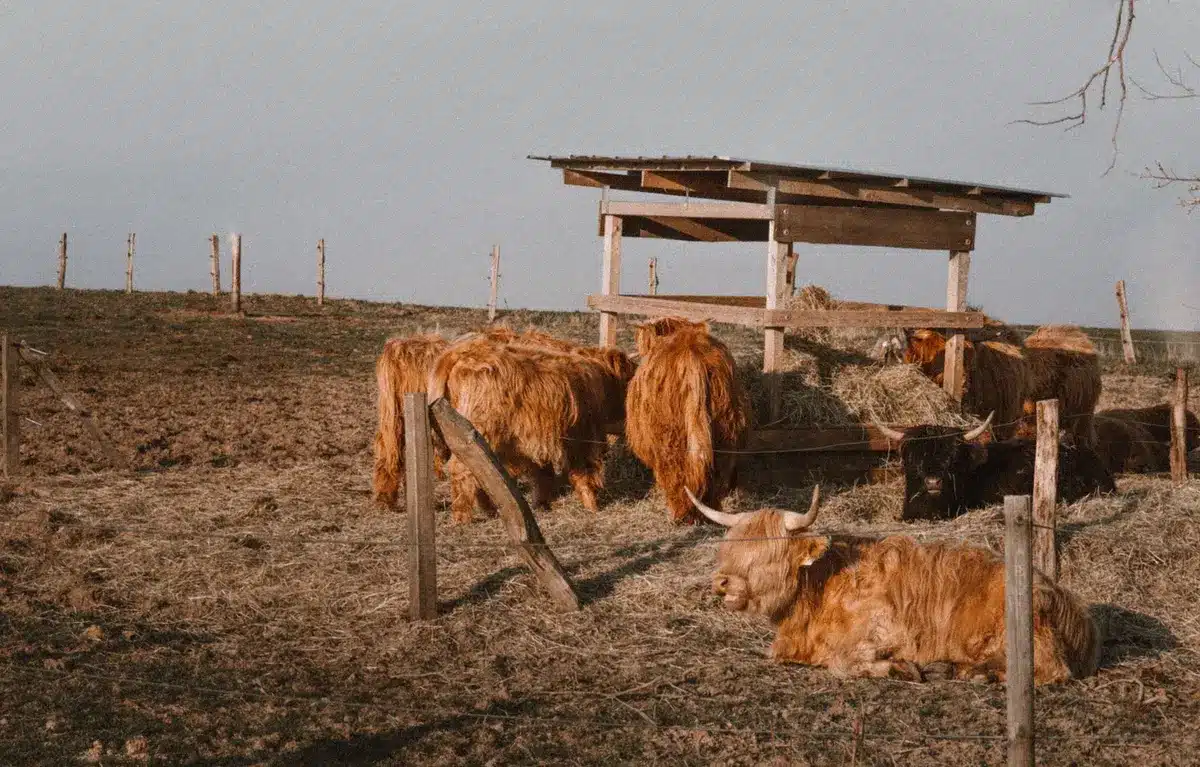
The restructuring reflects a broader crisis in the U.S. beef industry. The cattle inventory reached a 75-year low in early 2026, with the USDA reporting 86.2 million head of cattle and calves as of January 1, 2026, down from 86.5 million a year earlier. Tyson said in its announcement that “recent USDA cattle inventory data, which included continued evidence of limited heifer retention, indicates these supply constraints are likely to persist, requiring strategic action.” The shortage has made it unprofitable for packers to operate at full capacity, as cattle costs have surged dramatically.
To consolidate operations, Tyson will anchor its beef business around three strategically located facilities: Dakota City, Nebraska; Holcomb, Kansas; and Amarillo, Texas. The company plans to move capacity from the closed and sold facilities to these remaining plants and will ramp back up a second shift at the Amarillo facility as cattle become available. Tyson stated the restructuring will “allow the company to maintain a similar level of cattle harvesting across a more efficient and modern network.”
The closures add to a wave of consolidation in the beef packing industry. Earlier in 2026, Tyson closed a major facility in Lexington, Nebraska, which affected approximately 3,200 workers. JBS USA, another major packer, announced in June 2026 that it was permanently closing its beef production facility in Souderton, Pennsylvania. Industry analysts have warned that tighter cattle supplies will continue to contribute to higher prices and volatility for both cattle and beef throughout 2026, with commercial beef production projected to decline again despite strong demand.
The National Cattlemen’s Beef Association expressed concern about the impact on cattle producers and rural communities. Tyson said it is committed to supporting affected team members by helping them apply for open positions at other facilities. The company also noted that the restructuring will position it to “continue to deliver high-quality, affordable, and nutritious protein for generations to come.”
Sources
- Tyson Foods — official press release announcing the restructuring, facility closures, and cattle shortage context
- Reuters — reporting on the Pasco, Washington facility sale and overall closure announcement
- Wall Street Journal — coverage of Tyson’s beef plant exits amid cattle shortage
- KWQC — local reporting on Joslin plant closure and impact on 2,700 workers
- USDA — cattle inventory data as of January 1, 2026
- Drovers — industry reporting on plant closures and restructuring
- National Cattlemen’s Beef Association — statement on Tyson’s Joslin plant closure and facility changes