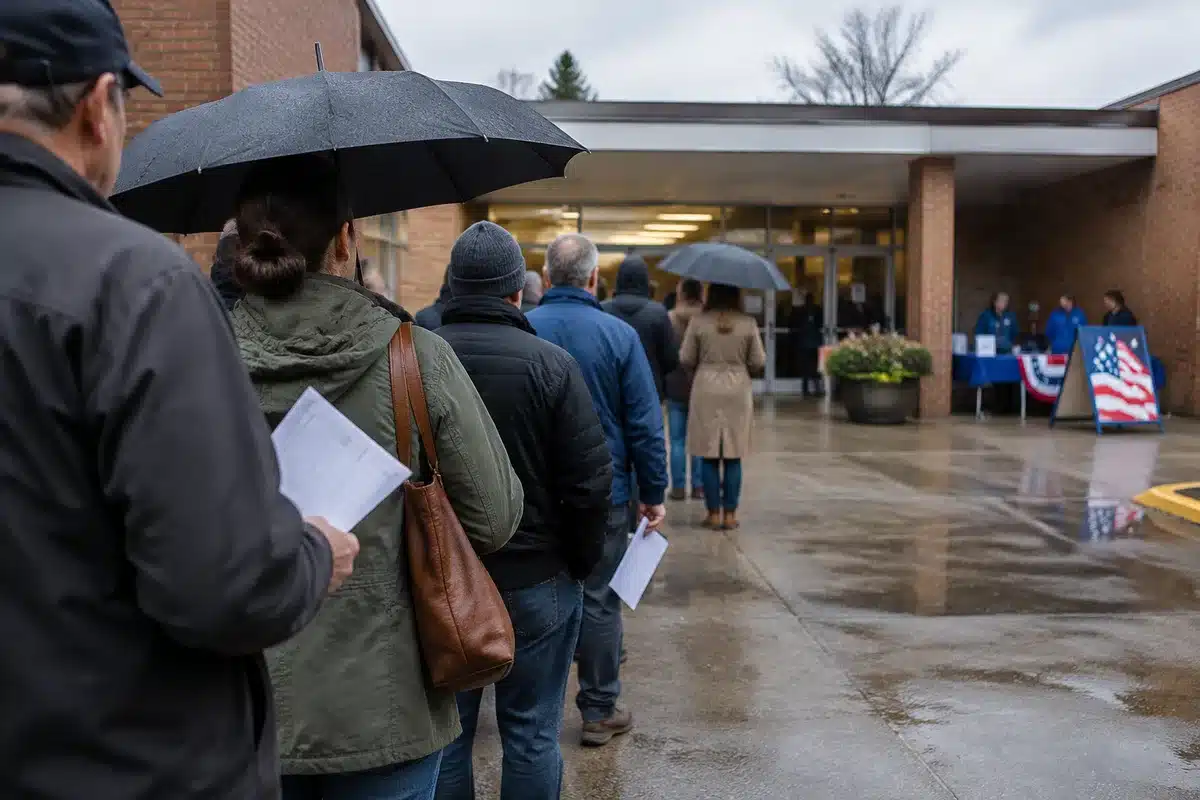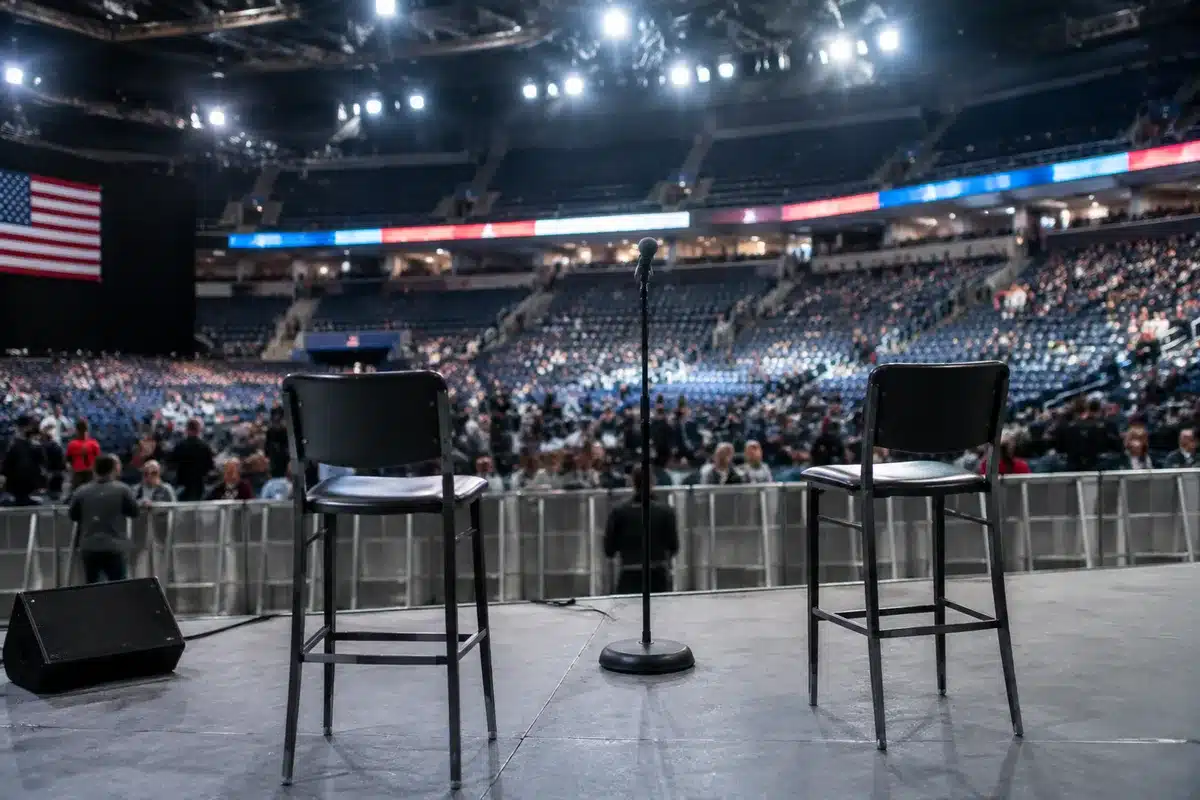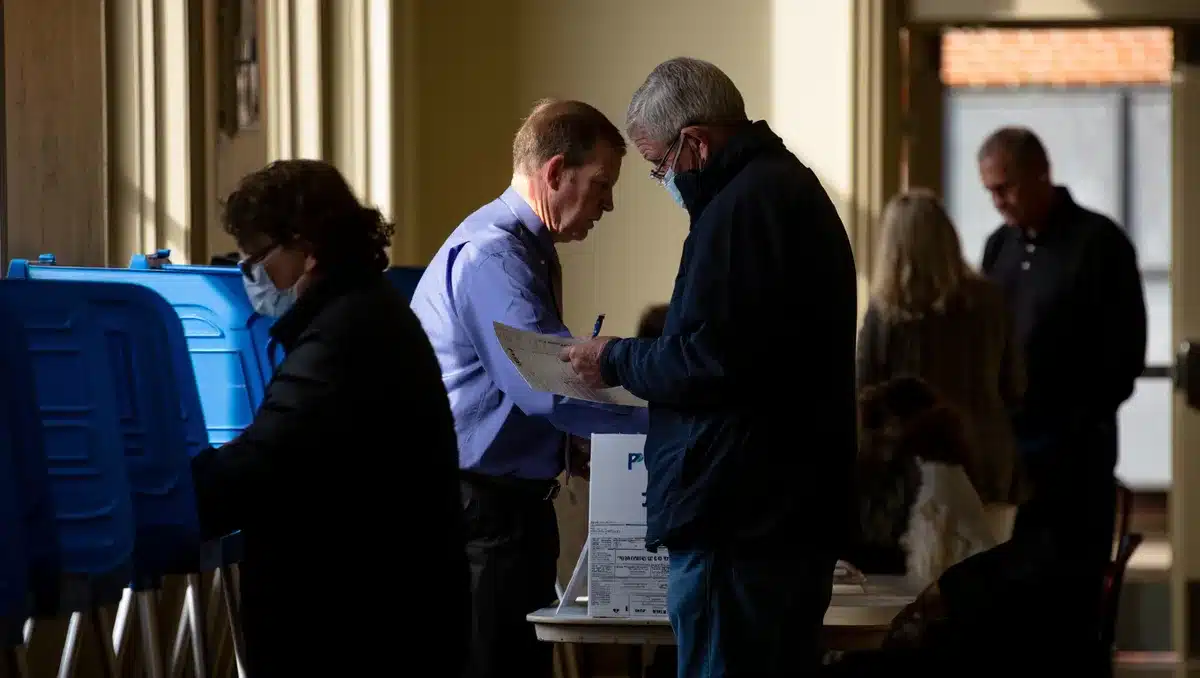
Minnesota Democrats nominated progressive candidates in both the governor and Senate races on August 11, 2026, signaling strong momentum for the party’s left wing in the midterm primary elections. U.S. Sen. Amy Klobuchar won the DFL nomination for governor with approximately 89% of the vote, defeating six other candidates and positioning herself for a fall matchup against Republican Lisa Demuth.
In the Senate primary, Lt. Gov. Peggy Flanagan secured the Democratic nomination by defeating centrist U.S. Rep. Angie Craig. Flanagan’s victory marked another win for progressive Democrats in a race shaped by disagreements over immigration policy and corporate influence in politics.

The Senate race became a battle between Flanagan’s progressive message and Craig’s establishment backing. Craig lined up support from prominent Democratic figures including House Speaker Hakeem Jeffries and former Speaker Nancy Pelosi, along with senators from battleground states. She emphasized her record of winning tough races in Minnesota’s closely divided suburban districts.
Flanagan, by contrast, was backed by progressive senators Bernie Sanders and Elizabeth Warren, as well as retiring Sen. Tina Smith. The lieutenant governor ran on a platform opposing corporate influence and wealthy donors, pledging to fight what she called “the many versus the money.” Her campaign highlighted Craig’s vote for the Laken Riley Act, a Trump-backed immigration bill that became a liability after federal immigration officers killed two Minneapolis residents, Renee Good and Alex Pretti, in confrontations caught on camera.
Craig repudiated her immigration vote after the killings, but the damage to her candidacy was done. Flanagan’s emphasis on immigration enforcement and corporate money resonated with primary voters, part of a broader pattern of progressive victories in Democratic primaries nationwide. A week earlier, Michigan Democrats had nominated progressive Abdul El-Sayed in a contentious primary, signaling that the party’s left wing is mobilizing effectively in 2026.

In the governor’s race, Klobuchar’s commanding margin reflected her stature as a three-term U.S. senator and the DFL establishment’s preferred candidate. She will face Demuth, the Minnesota House speaker, in November. The general election is scheduled for November 3, 2026.
Republicans also held primaries on the same day. Demuth defeated Mike Lindell, the Trump-endorsed MyPillow founder and persistent promoter of false claims about the 2020 election, despite Trump’s social media endorsement of Lindell. Lindell’s loss suggested that some Minnesota Republicans worried he was too controversial with independent voters to win a general election, even with Trump’s backing.
On the Republican Senate side, Michele Tafoya, a former NFL sideline reporter, won the GOP primary and will face Flanagan in November. Republicans hope a fraud scandal involving the theft of public funds will give them an opening in Minnesota, a state that hasn’t elected a Republican to statewide office since 2006. However, Democrats maintain structural advantages: Minnesota voters backed Democrat Kamala Harris by 4 points in 2024, and the state Legislature remains closely divided, with Democrats holding a one-seat majority in the Senate and the House split evenly.
Sources
- PBS News — Peggy Flanagan’s Senate primary victory, her progressive backing, the immigration-focused race against Craig, and Republican primary results
- NBC News — Klobuchar’s governor primary win and Flanagan’s Senate primary projection
- Fox 9 — Klobuchar’s 89.1% vote share in the governor primary
- The Guardian — Details on the immigration-centered Senate primary race and Flanagan’s progressive positioning
- NPR — Flanagan’s victory as part of a broader progressive wave and Demuth’s defeat of Lindell