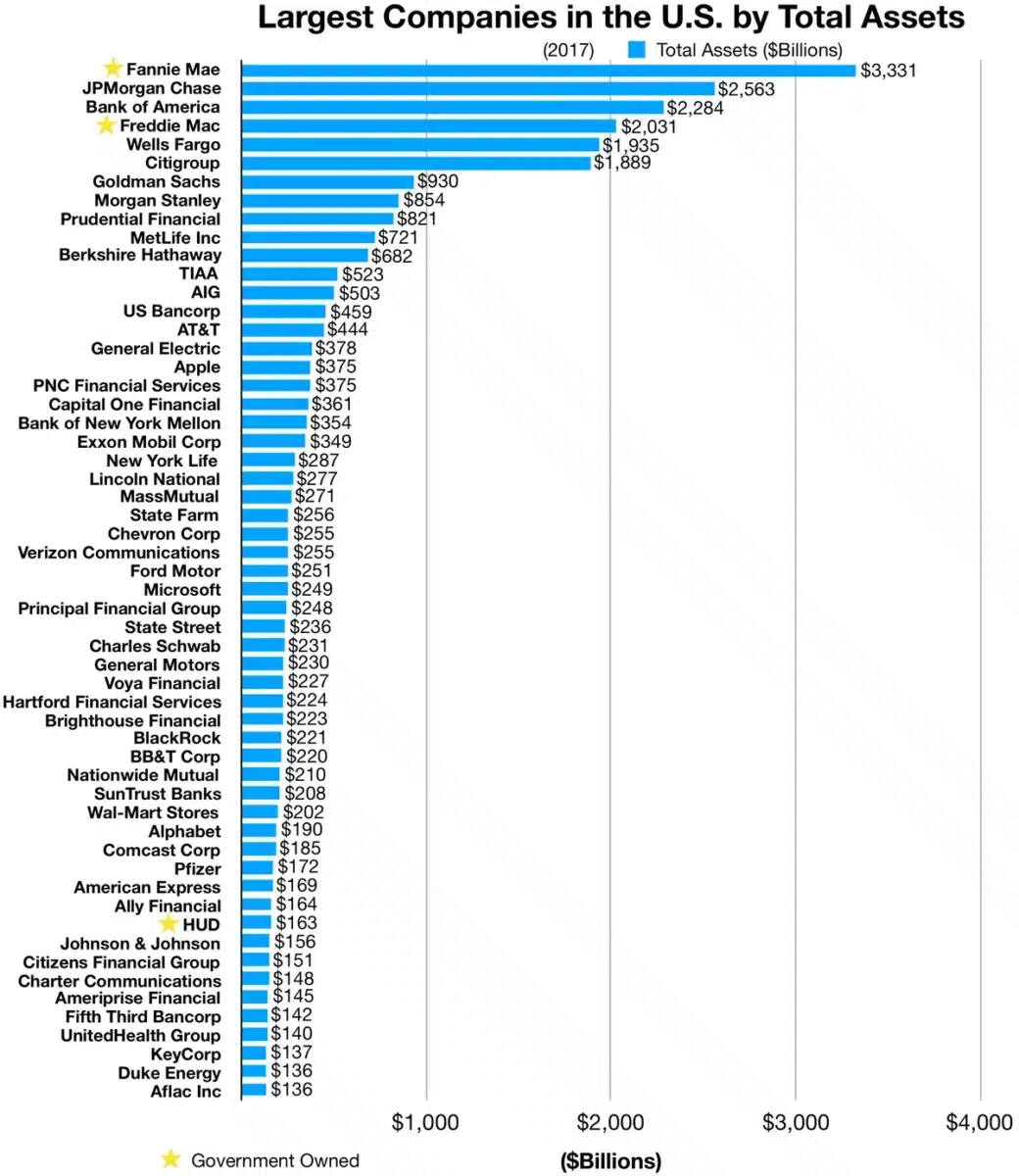
Mortgage rates climbed to their highest level of 2026, reaching 6.69% for the 30-year fixed loan as of August 6, according to Freddie Mac, marking a stark shift in the housing market and signaling fresh headwinds for buyers already grappling with affordability challenges.
The rate jump represents a 60 basis point increase from the 2026 low of 6.09%, driven largely by rising oil prices and geopolitical tensions that have stoked inflation concerns. According to Bankrate’s latest analysis, oil prices have spiked amid conflict in Iran, pushing inflation expectations higher and lifting mortgage rates from their early-year lows.
Geopolitical uncertainty continues to place upward pressure on oil prices, inflation expectations, and long-term bond yields, which directly influence mortgage rates, according to City Creek Mortgage’s August commentary. The 15-year fixed-rate mortgage averaged 6.01% during the same period, also reflecting the broader pressure on lending costs.
Housing Market Shows Signs of Adjustment
The rate spike comes as the broader housing market displays clear adjustment signals. Home prices posted their sharpest year-over-year decline since 2017 in May 2026, according to Realtor.com, as sellers began pivoting to more realistic pricing after years of rapid appreciation.
Sales activity has also weakened noticeably. According to J.P. Morgan’s housing market outlook, home sales fell 4.2% during the first half of 2026, with the investment bank attributing the softness to higher mortgage rates and noting that buyers remain highly sensitive to rate movements.
Mortgage rates above 6% continue to pressure housing affordability, especially for first-time buyers, according to U.S. Bank analysis from June 2026. The affordability strain stands in sharp contrast to the experience of existing homeowners—about 76 percent of California homeowners held mortgage rates below 5 percent as of March 2026, according to the state’s Legislative Analyst’s Office, creating a stark divide between locked-in borrowers and new market entrants.
On the supply side, housing inventory has shown modest improvement. As of February 2026, housing inventory had grown 7.1% compared with the same period a year earlier, according to Forbes, providing some relief to a market that had faced record-low supply conditions. However, inventory growth has slowed sharply from prior years, with new listings remaining below normal levels.
The housing market entered 2026 with expectations of gradual improvement, but the recent rate climb and sales decline suggest those predictions may require revision. Market analysts have noted that pending sales data and mortgage application trends point to another slowdown ahead, even as the spring homebuying season typically offers some momentum.
Sources
- Freddie Mac — confirmed 30-year mortgage rate at 6.69% as of August 6, 2026
- Bankrate — reported oil price spikes and inflation concerns driving rates from 6.09% low
- City Creek Mortgage — described geopolitical pressure on bond yields and mortgage rates
- Realtor.com — reported May 2026 as sharpest year-over-year home price decline since 2017
- J.P. Morgan — noted 4.2% decline in home sales in first half of 2026
- U.S. Bank — identified affordability pressure from rates above 6%
- California Legislative Analyst’s Office — reported 76% of CA homeowners with sub-5% rates as of March 2026
- Forbes — reported 7.1% year-over-year inventory growth as of February 2026