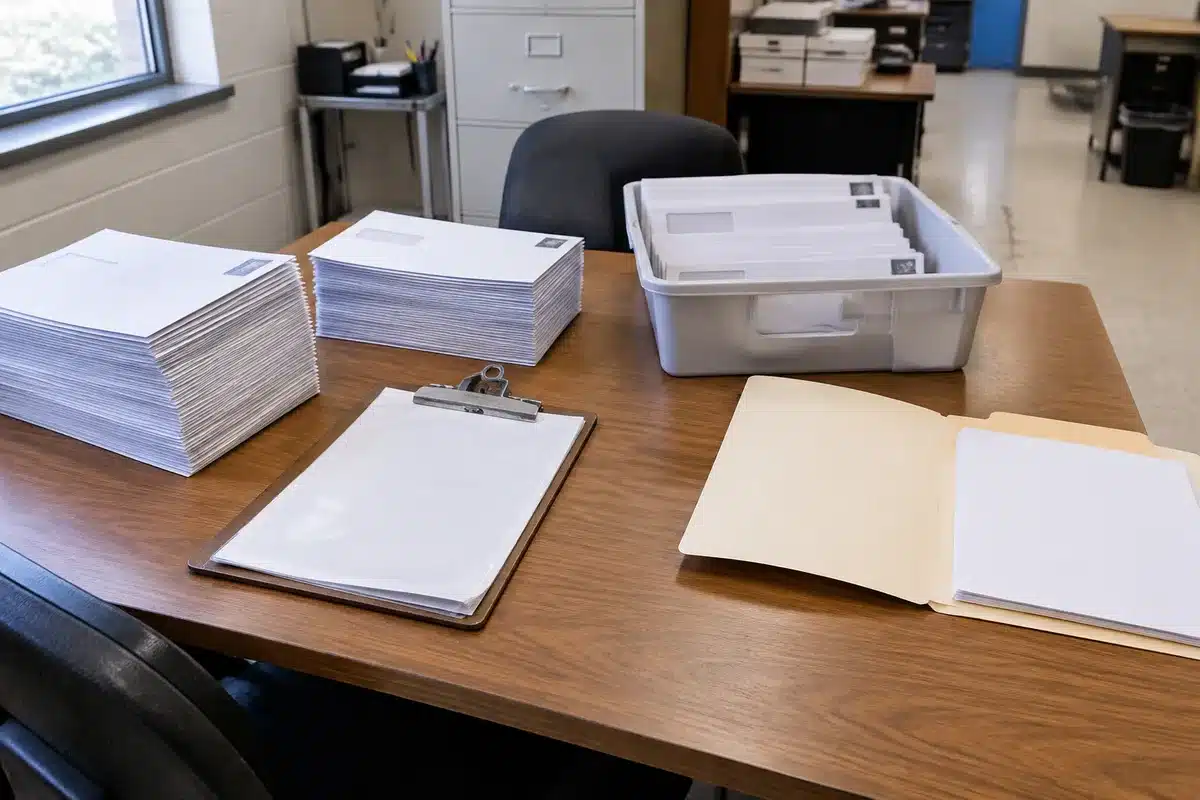
Minnesota voters set a record for early voting ahead of Tuesday’s primary, with more than 206,000 absentee and mail ballots accepted as of Monday morning, according to the Secretary of State’s Office. That figure marks the highest number of early votes cast before a primary in a non-presidential election year in Minnesota history.
Of those 206,196 ballots, 99,053 were returned by mail and 107,143 were cast in person, Secretary of State Steve Simon said. In 2022, the last non-presidential primary year, only 155,097 early ballots were accepted—a difference of more than 51,000 votes cast early this cycle.
Simon attributed the surge to what he called “hot races” driving voter interest. The Democratic Senate primary features a competitive matchup between U.S. Representative Angie Craig and Lieutenant Governor Peggy Flanagan, who won the party’s endorsement. On the Republican side, contested primaries for both Senate and governor are drawing significant attention, with multiple candidates competing in each race.
“It’s always a little ironic that at times, Minnesota has been No. 1 in America in voter turnout in the general election, but in the preceding primary, turnout is very low, and that’s almost always dictated to a very large extent by what and who is on the ballot,” Simon told reporters.
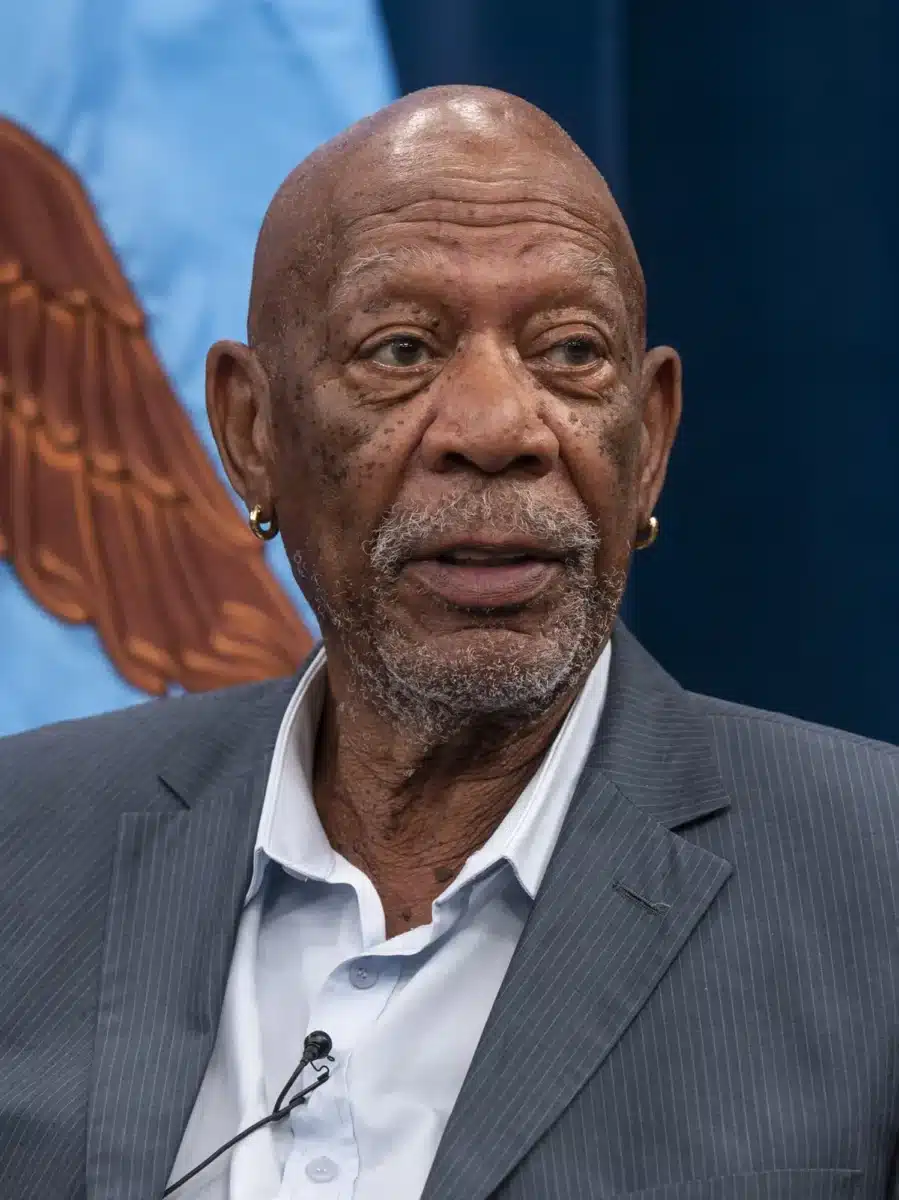
Joe Peschek, professor emeritus of political science at Hamline University, said the high early voting numbers reflect several converging factors beyond the primary races themselves. He pointed to competitive open-seat races for U.S. Senate and governor, ideological differences among candidates within their respective parties, and what he described as heightened national political tensions as drivers of voter engagement.

“The second Trump presidency is more intense and even more extreme in some ways than his first presidency,” Peschek noted. “I think that’s really kind of intensified the national political atmosphere in a way that makes people take notice.”
Peschek noted that Minnesota has historically ranked among the highest in the nation for voter turnout in both general and primary elections. He attributed that tradition in part to a culture of civic participation and relatively accessible voting options, including early and absentee voting.
Simon said that if total turnout—not just early voting—surpasses the modern-day state primary record of 22 to 23 percent, set in 2018, it would be “extraordinary.” The 2024 state primary saw 13 percent turnout, 2022 saw 19 percent, and 2020 saw 22 percent.
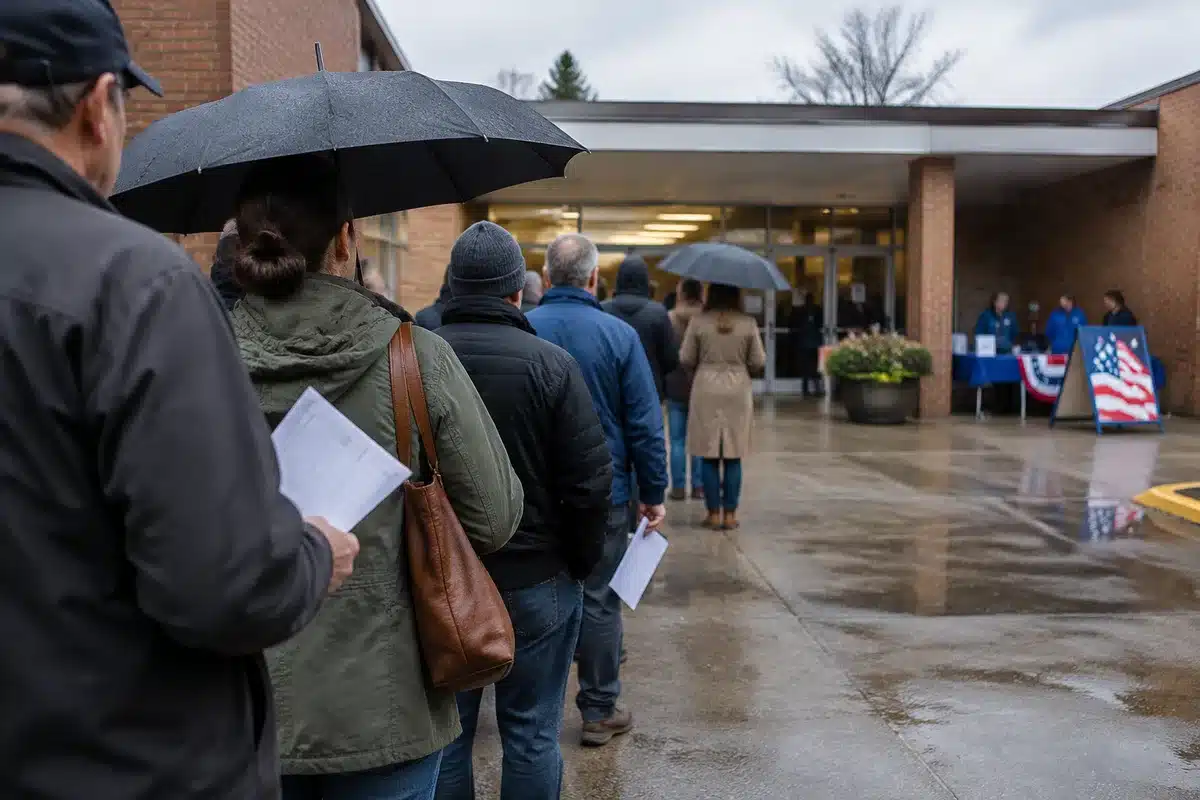
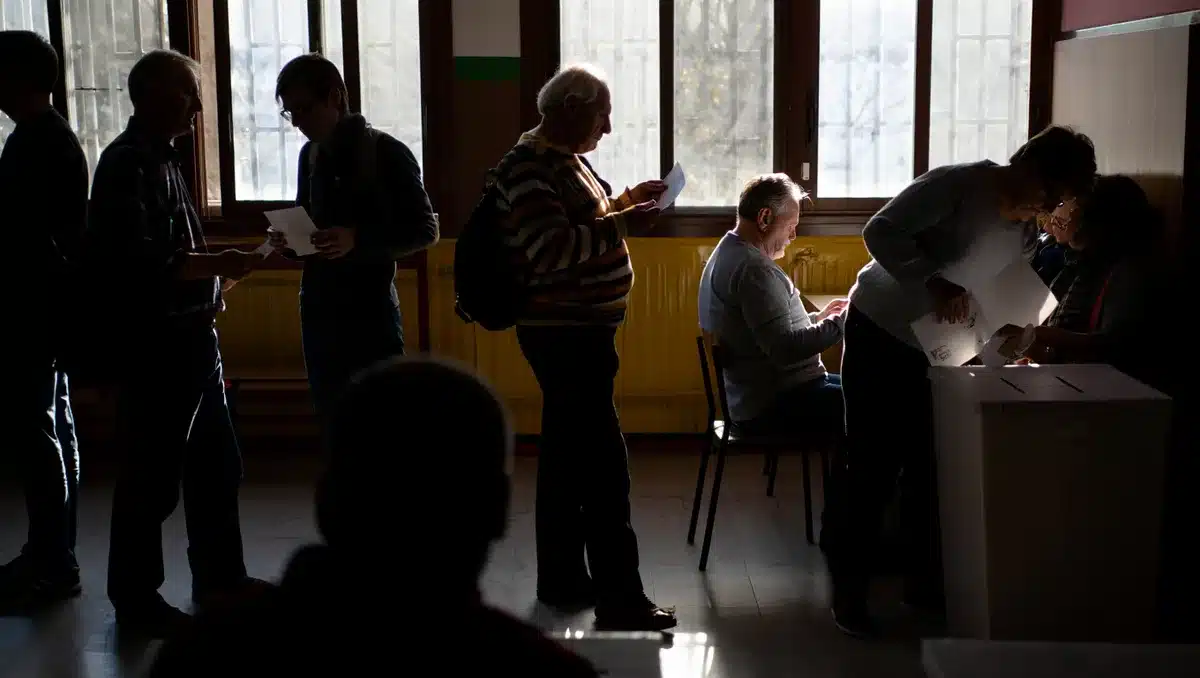
Voters continued arriving at early voting centers on Monday, the final day of in-person early voting before Tuesday’s election. Polls will open at 7 a.m. and close at 8 p.m. on election day. Absentee ballots must be received by an elections office by 8 p.m. on Tuesday to be counted.
Sources
- KARE 11 — Record early voting figure of 206,196 ballots, Secretary of State Steve Simon’s statement on non-presidential primary record, and Hamline University professor Joe Peschek’s analysis of turnout drivers.
- Twin Cities Pioneer Press — Early voting numbers breakdown (99,053 mail, 107,143 in-person), comparison to 2022 primary (155,097), Simon’s statements on “hot races,” and historical primary turnout percentages (2018: 22-23%, 2024: 13%, 2022: 19%, 2020: 22%).
- InForum — Record early voting confirmation, breakdown of mail vs. in-person ballots, 2022 comparison, Simon’s assessment of contested races driving turnout, and election security details.