Saving money has become a top financial priority for Americans in 2026, with 77% of the 92% who set financial goals citing saving as a key objective. Yet many struggle to build the foundation they need. Only 47% of Americans can cover a $1,000 emergency expense with their savings, according to Bankrate, highlighting the urgency of adopting smarter saving strategies that combine automation, expense reduction, and consistent growth.
Cutting subscription costs offers an immediate way to free up cash. A NerdWallet survey found that 55% of Americans plan to significantly decrease their subscriptions in 2026 to save money. The motivation is clear: Americans waste an average of $252 annually on subscriptions they forget to cancel or underuse, according to CNET’s 2026 State of Subscriptions report. One NerdWallet contributor’s subscription audit illustrates the potential: by systematically reviewing charges, canceling unused services, and finding free or cheaper alternatives, she saved $122 a month—nearly $1,500 a year.
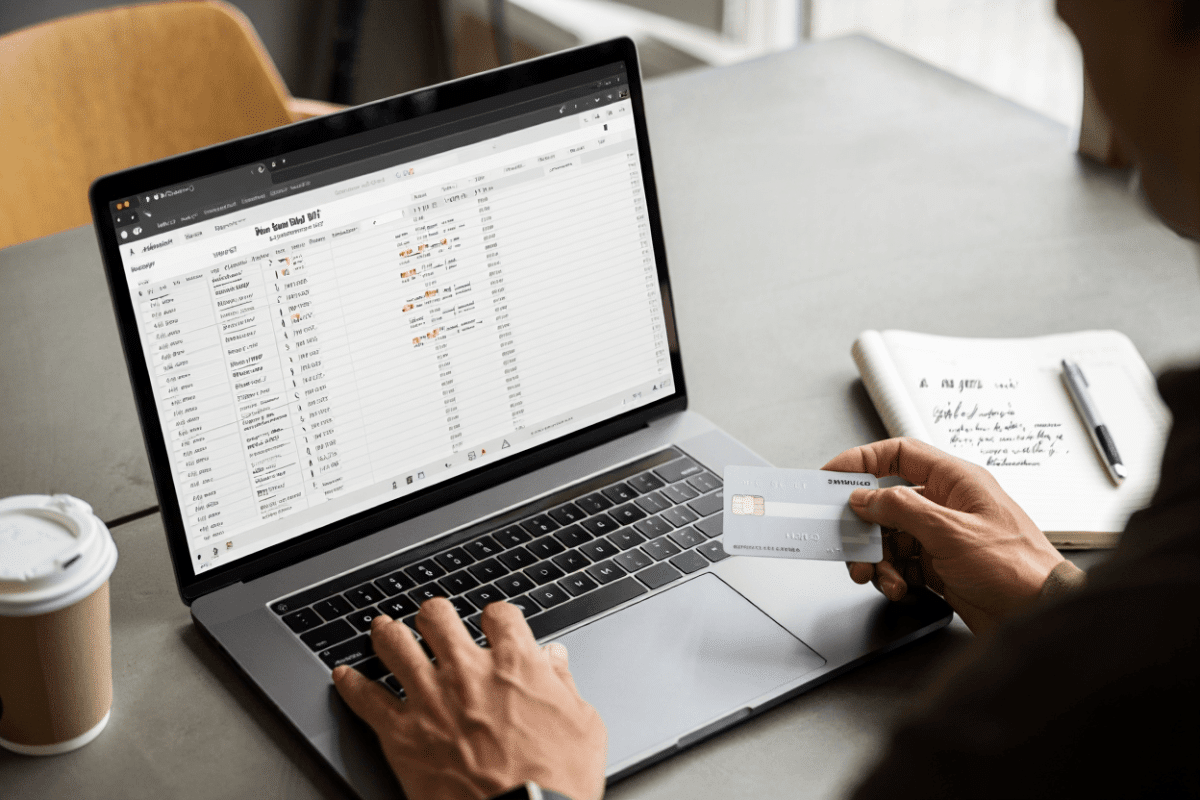
The subscription audit process is straightforward. Start by reviewing credit card and bank statements to identify all recurring charges, including quarterly and annual bills. List each subscription, its cost, and how frequently you use it. From there, cancel the obvious cuts—services you’ve forgotten about or no longer value. Then dig deeper by considering whether you can replace paid subscriptions with free alternatives, such as library services for streaming, e-books, and audiobooks, or whether bundling makes financial sense.
Once you’ve plugged the subscription leak, automating savings transfers ensures money reaches your emergency fund without requiring willpower. Automatic savings apps and high-yield savings accounts make this seamless. Apps like Acorns, Chime, and Qapital can round up purchases or transfer small amounts on a schedule you set. Pairing automation with a high-yield savings account—which currently offer rates up to 4.15% APY, according to Bankrate—lets your emergency fund earn interest while staying accessible. Experts recommend holding 3 to 6 months of essential living expenses in an emergency fund, though starting with a smaller goal of $1,000 to $2,000 can build momentum.
The combination of these strategies addresses a real gap: nearly 40% of Americans have less than $500 in savings, with 14% reporting no savings at all, according to a 2026 survey. By cutting subscription waste and automating transfers to a high-yield account, savers can move toward the expert-recommended emergency cushion without overhauling their entire budget. The key is consistency—set a calendar reminder to audit subscriptions annually and review your savings goals to ensure your strategies stay aligned with your priorities.
Sources
- NerdWallet — survey showing 55% of Americans plan to cut subscriptions in 2026; subscription audit case study saving $122/month
- CNET — 2026 State of Subscriptions report documenting $252 annual waste on unused subscriptions
- Bankrate — emergency fund recommendations of 3-6 months expenses; 47% of Americans unable to cover $1,000 emergency; high-yield savings rates
- AICPA & CIMA — survey showing 92% of Americans have 2026 financial goals, 77% cite saving
- U.S. News & World Report — emergency fund savings strategies and automated savings recommendations
- LendEDU — automatic savings apps and tools for 2026