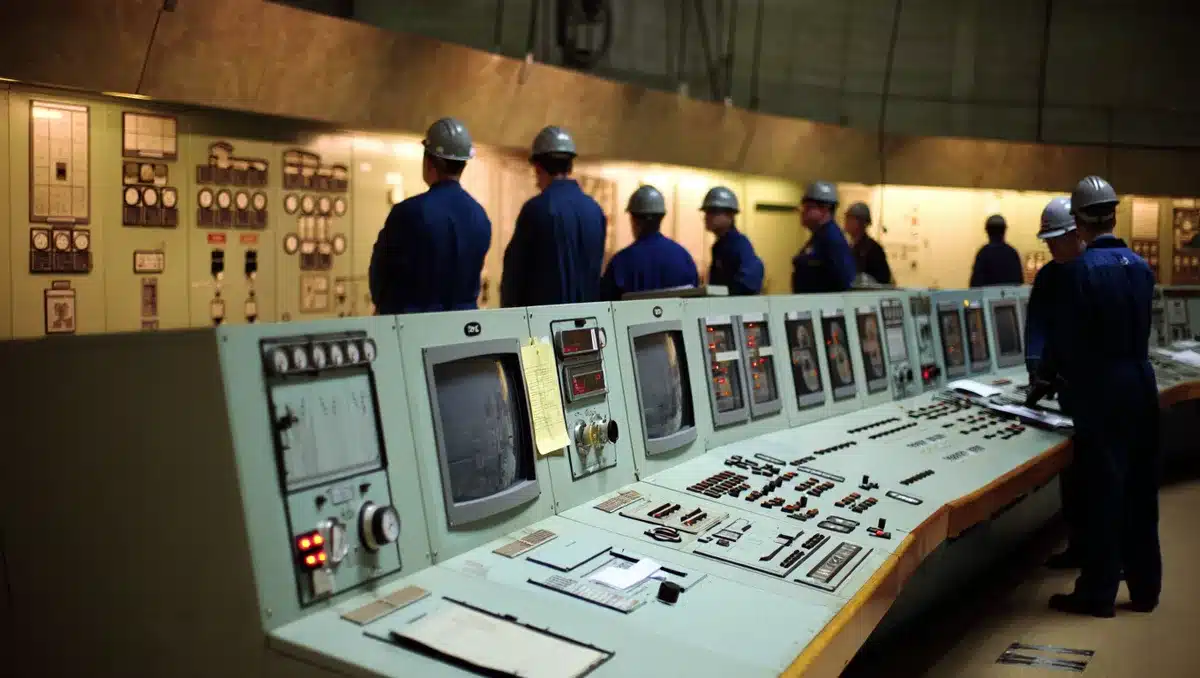
Oklo’s Groves Isotope Test Reactor achieved first criticality on August 5, 2026, reaching a controlled, self-sustaining nuclear chain reaction in less than a year after groundbreaking at its Lockhart, Texas facility. The milestone, announced August 6, marks a significant acceleration in advanced reactor deployment and demonstrates that domestic nuclear projects can move from design through construction, authorization, and startup on timelines measured in months rather than years, according to Oklo’s official announcement.
The achievement comes through the U.S. Department of Energy’s Reactor Pilot Program, a fast-track initiative established to accelerate advanced reactor development. Groves is the first reactor under the program to reach criticality on private land, built from the ground up on a greenfield site, making it the fastest-built, privately financed reactor of its kind, Oklo stated. The reactor is designed as a low-power test facility to validate isotope production capabilities for healthcare, industrial, research, space, and national security applications.
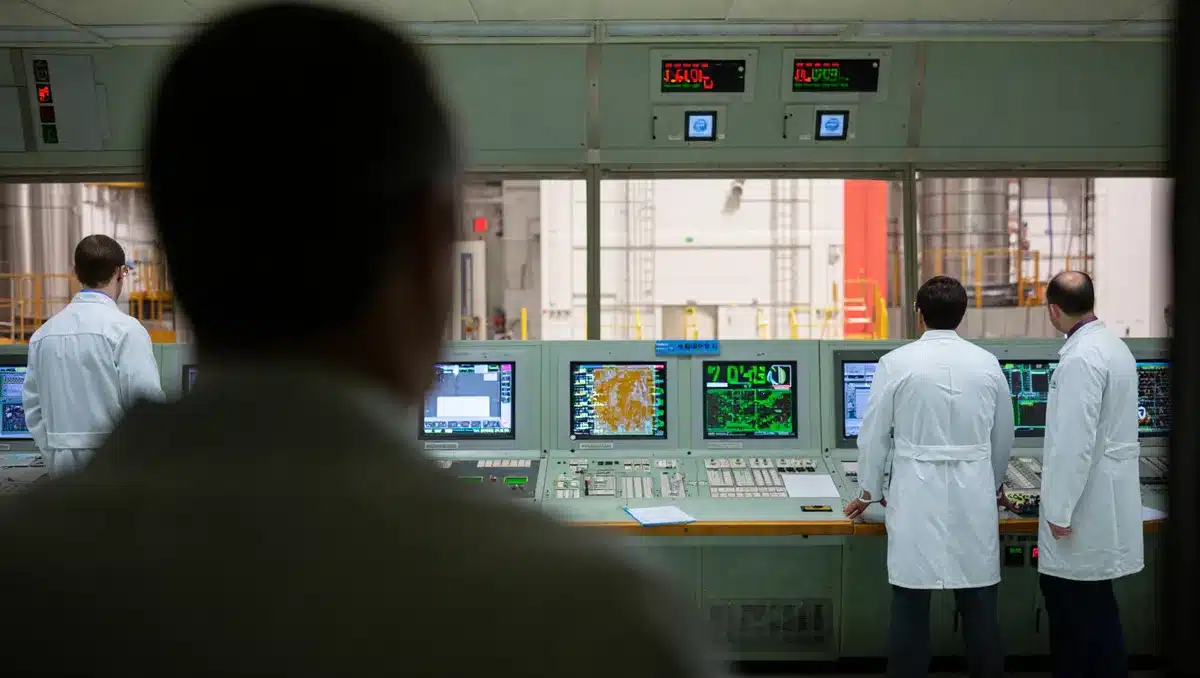
The DOE Reactor Pilot Program, announced in June 2025 under an executive order, set an ambitious goal of achieving criticality for at least three advanced reactors by July 4, 2026. Groves became the fifth DOE-authorized reactor to achieve criticality this summer, following Antares Nuclear’s Mark-0 microreactor, which reached criticality on June 4, 2026, becoming the first under the program. The program created a pathway allowing engineering, construction, commissioning, and operational preparation to advance alongside DOE’s safety review and authorization, according to DOE Assistant Secretary for Nuclear Energy Ted Garrish, who credited the integrated deployment approach for the accelerated timeline.
The Groves facility establishes operational and engineering foundations for Oklo’s broader isotope production strategy and informs deployment practices across the company’s future projects. Oklo is also developing its Aurora powerhouse, a 75-megawatt sodium-cooled fast reactor at Idaho National Laboratory, which the company targets to bring to first power in late 2027 or early 2028. The Groves achievement generated practical experience in project engineering, procurement, reactor operations, startup procedures, safety readiness, and training that the company said will reduce uncertainty and execution risk for future facilities.

The criticality announcement coincided with Oklo stock gaining 14.77 percent on August 7, 2026, rising from $42.19 to $48.42, reflecting investor confidence in the company’s execution capability. The stock had returned 32.53 percent year-to-date as of August 7, according to financial data, though it declined 39 percent over the prior year. The milestone underscores the company’s position as a leading advanced reactor developer and comes as the broader U.S. nuclear industry focuses on accelerating deployment timelines to meet energy demand, particularly for data centers and industrial applications.
Sources
- Oklo Inc. — Official press release announcing Groves first criticality achievement, timeline, and program details
- U.S. Department of Energy — Reactor Pilot Program announcement and milestone confirmation; statement from Assistant Secretary Ted Garrish
- Bloomberg — Confirmation of Groves criticality event and definition of criticality milestone
- American Nuclear Society — Reporting on Groves isotope test reactor criticality and DOE program status
- Yahoo Finance — Oklo stock price data and performance metrics as of August 7, 2026
- MarketBeat — Oklo stock price history and year-to-date performance