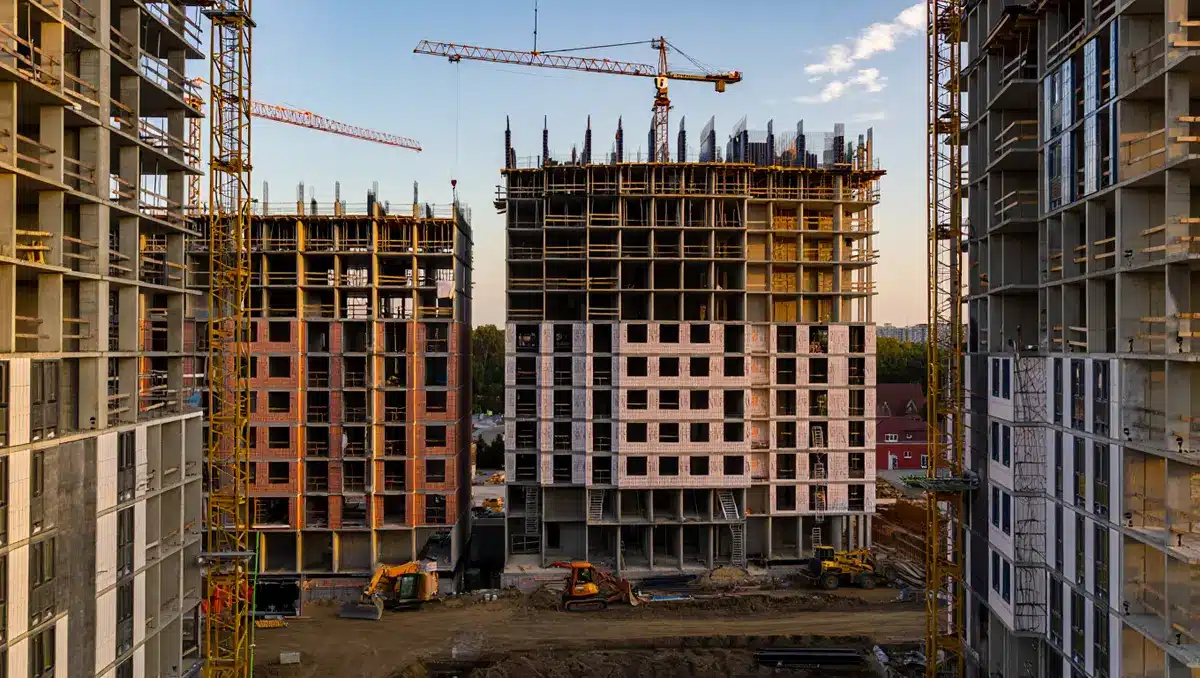
JPMorgan Chase announced on August 3 that it will deploy more than $750 billion through 2035 to increase housing supply and support homeownership, representing a nearly 40 percent increase from the bank’s housing capital deployment over the past decade. The initiative, part of the bank’s broader American Dream Initiative, aims to finance 1 million affordable housing units and help 500,000 customers purchase homes, including 200,000 first-time homebuyers.
The commitment reflects JPMorgan’s position as the nation’s largest multifamily lender and residential bank mortgage lender. As part of the effort, the bank plans to increase mortgage lending by more than 40 percent and hire 850 new home lending advisors, according to the official announcement. The bank will also develop new loan products for modular and manufactured homes.
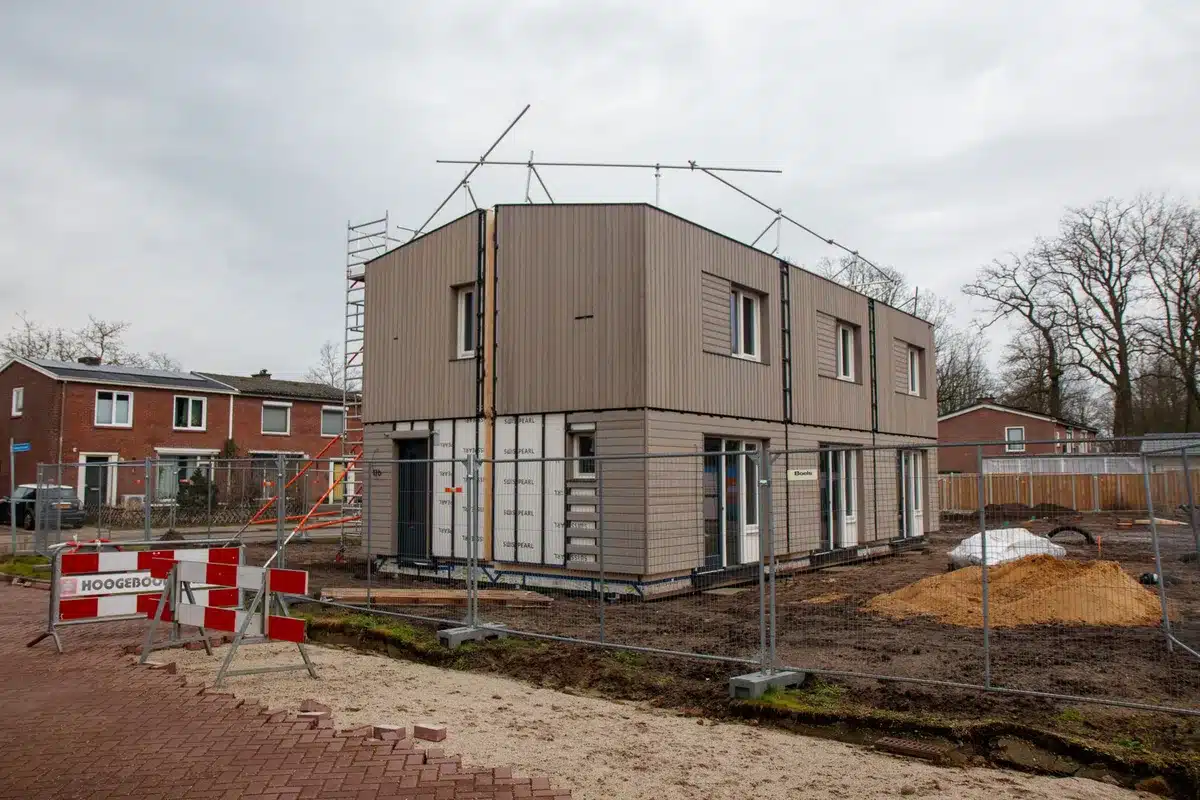
The initiative extends beyond financing. JPMorgan will work with policymakers and community partners to advance pro-growth housing policies, including support for the 21st Century ROAD to Housing Act, which took effect in August 2026 after Congress passed it. The bank aims to reduce barriers to housing production through streamlined zoning, modernized building codes, and expedited permitting processes.
In San Francisco, JPMorgan announced nearly $200 million in financing for a 342-unit residential building on the waterfront and a $15 million equity investment in Fifth Space’s Essential Housing Fund, targeting 250 affordable units in Potrero Hill. The bank also committed $6 million in new grants to housing organizations including the San Francisco Housing Accelerator Fund and The Housing Action Coalition.

What experts say about capital and supply
Former Federal Housing Administration Commissioner Frank Cassidy, who left the Trump administration in June, offered qualified praise for the pledge while emphasizing a critical constraint: supply, not financing, is the bottleneck. “Money isn’t the problem, supply is,” Cassidy told HousingWire. “There’s no shortage of capital looking to invest in housing, the biggest bottleneck isn’t financing. It’s the government process and the red tape and the bureaucratic tax to build.”
Cassidy argued that regulatory barriers—including zoning restrictions, lengthy permitting processes, and environmental reviews—add 20 to 40 percent to the cost of new housing construction. He said government’s most effective role is reducing these barriers rather than replacing private capital. “You can’t subsidize your way out of a housing shortage. We have to build our way out of it,” Cassidy said, noting that JPMorgan’s commitment signals institutional confidence but requires accompanying policy reform to succeed.
Cassidy predicted JPMorgan’s commitment would not be the last major private-sector housing initiative. “If they see successful projects, more capital will follow,” he said, adding that the ultimate beneficiary should be first-time homebuyers and working families—but only as housing supply actually increases.
Sources
- JPMorgan Chase official press release — the August 3, 2026 announcement of the $750 billion commitment through 2035, including targets for 1 million affordable units and 500,000 homebuyers, plus the 40 percent increase figure and hiring of 850 advisors
- Wall Street Journal — confirmed the $750 billion investment, the 1 million affordable units, 200,000 first-time homebuyers, and the 40 percent increase over the past decade
- Bloomberg — verified the $750 billion deployment and the 40 percent increase compared to the prior decade
- HousingWire — Frank Cassidy’s commentary on the pledge, including his quotes on supply as the bottleneck, regulatory barriers, and the role of government in reducing red tape
- CBS News — confirmed the $750 billion investment, 1 million affordable units, and 500,000 homebuyers