Congress passed the 21st Century ROAD to Housing Act, a sweeping bipartisan package designed to boost new home construction and affordability by streamlining regulations and modernizing federal housing programs. The Senate approved the bill 85-5 on June 22, 2026, followed by a House vote of 358-32 on June 23, and it became law on July 11, 2026, without the President’s signature.
The legislation represents the first major overhaul of federal housing policy in over 30 years, combining provisions from more than 60 pieces of legislation introduced across both chambers. The bill addresses a critical housing shortage: the United States faces a deficit of roughly 4 million to 7.2 million homes, depending on the metric used, with estimates varying based on affordability thresholds and income levels.
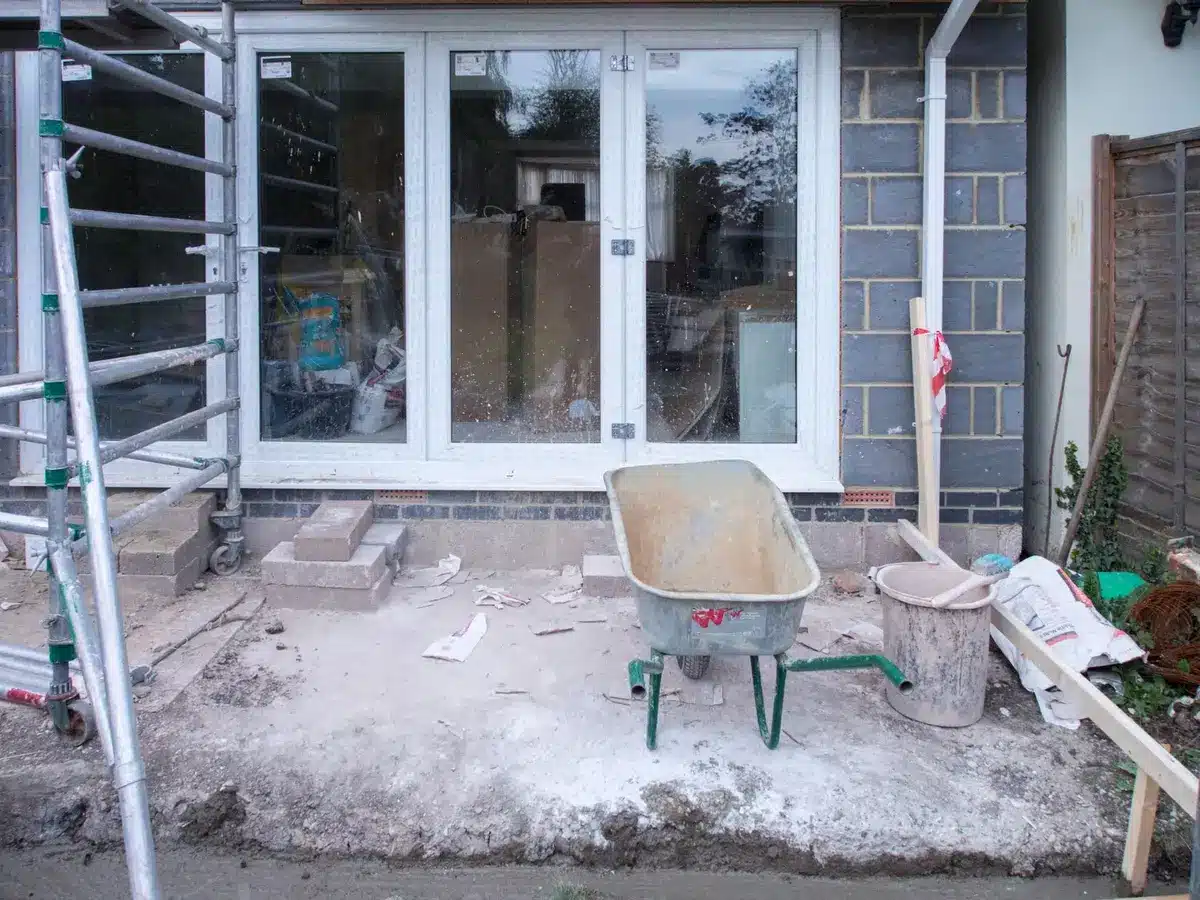
Key provisions streamline the path to construction. The bill eliminates the permanent chassis requirement for manufactured homes, a regulatory barrier that housing experts say could save $5,000 to $10,000 per home in construction costs and enable more elaborate designs. It also simplifies environmental reviews for housing projects, including exempting infill housing development on federal land from full environmental review requirements, and expands categorical exclusions under the National Environmental Policy Act (NEPA) to reduce approval timelines.
The legislation modernizes financing and expands access. It allows Community Development Block Grant (CDBG) funding to be used for new affordable housing construction—previously restricted to repairs and preservation—and permits the Federal Housing Administration to establish a pilot program for mortgages under $100,000, targeting small-dollar lending gaps. The bill also lifts the cap on the Rental Assistance Demonstration program by 100,000 units, expanding rental assistance for low-income households.
On the supply side, the bill creates new incentives for housing production. It establishes a $200 million annual competitive grant program rewarding local governments and tribes that demonstrate measurable increases in housing supply through reforms like streamlined permitting and zoning changes. The legislation also provides grants to select and implement pre-reviewed housing designs—such as accessory dwelling units, duplexes, and townhouses—to accelerate affordable housing construction, with 10% of funding reserved for rural areas.

The bill restricts institutional investor ownership of single-family homes, prohibiting corporate entities from owning more than 350 existing single-family homes, though it carves out an exception for build-to-rent properties. It also establishes a renter outreach resource at the Department of Housing and Urban Development (HUD) for tenants of properties owned by institutional investors.
Housing advocates and industry groups have framed the legislation as addressing decades of underbuilding. When the Senate passed its version in March 2026, the bipartisan coalition emphasized that the bill’s combination of regulatory reform, financing innovation, and supply incentives targets the root causes of the affordability crisis. The final bill maintains provisions from both the House and Senate versions, including nine of the 12 community banking sections that encourage lending to affordable housing projects.
The law also includes provisions supporting veterans’ housing access, reforming appraisal standards, and creating new pilot programs for home repair grants and modular housing production. An annual requirement for the HUD secretary to testify before Congress on the department’s performance adds oversight accountability.
Sources
- Bipartisan Policy Center — detailed section-by-section summary of final bill provisions, passage votes, and legislative history
- The New York Times — corporate ownership restrictions and bill passage details
- National Association of Realtors — bill overview and construction affordability provisions
- NPR — manufactured housing chassis requirement elimination and construction cost savings
- U.S. Congress — housing shortage data and legislative text
- National Low Income Housing Coalition — rental housing shortage figures