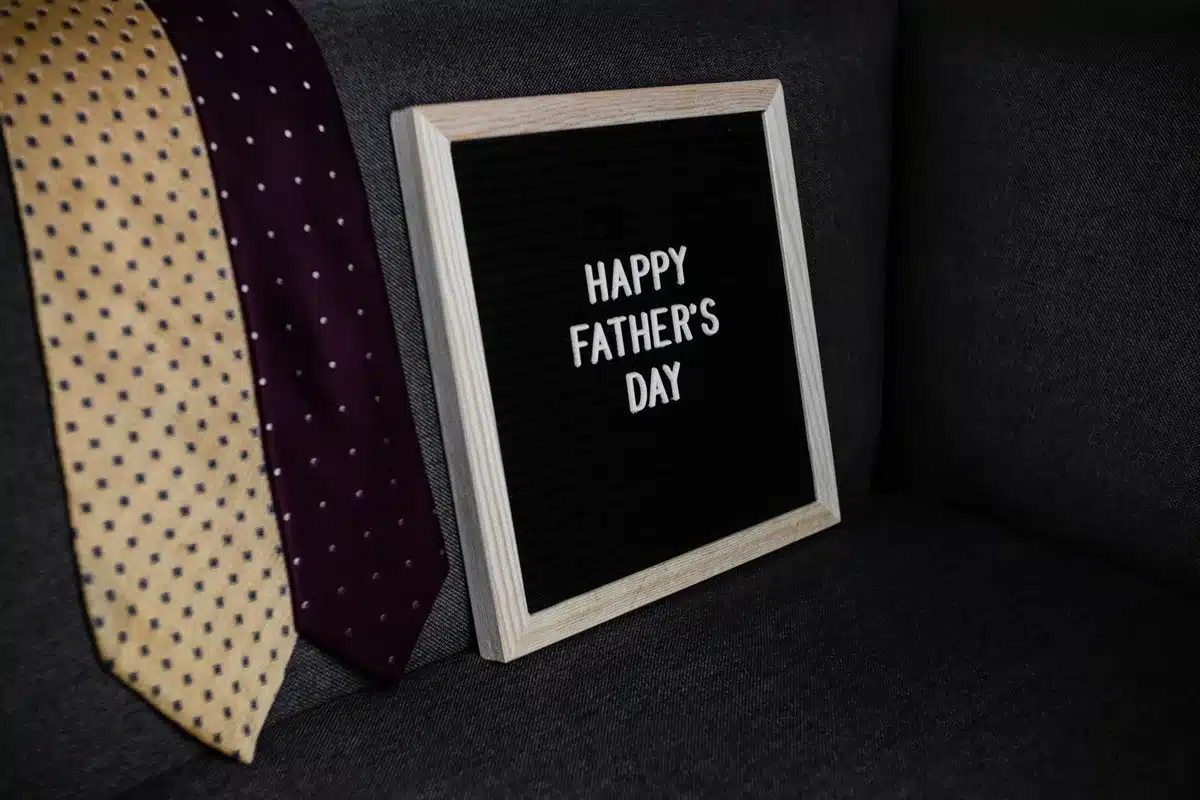
Brazil celebrates Father’s Day today, August 9, a tradition established more than 70 years ago that has evolved into one of the country’s most significant retail occasions. Known as Dia dos Pais in Portuguese, the holiday is observed on the second Sunday of August each year, setting Brazil apart from much of the world, where Father’s Day typically falls in June or March.
The holiday was created in 1953 by Brazilian publicist Sylvio Bhering as a way to honor Saint Joachim, the father of Mary and patron saint of fathers and grandfathers in the Catholic tradition. While Father’s Day is not an official public holiday in Brazil, it has become deeply embedded in the country’s commercial and cultural calendar, second only to Christmas in retail importance for many major brands.
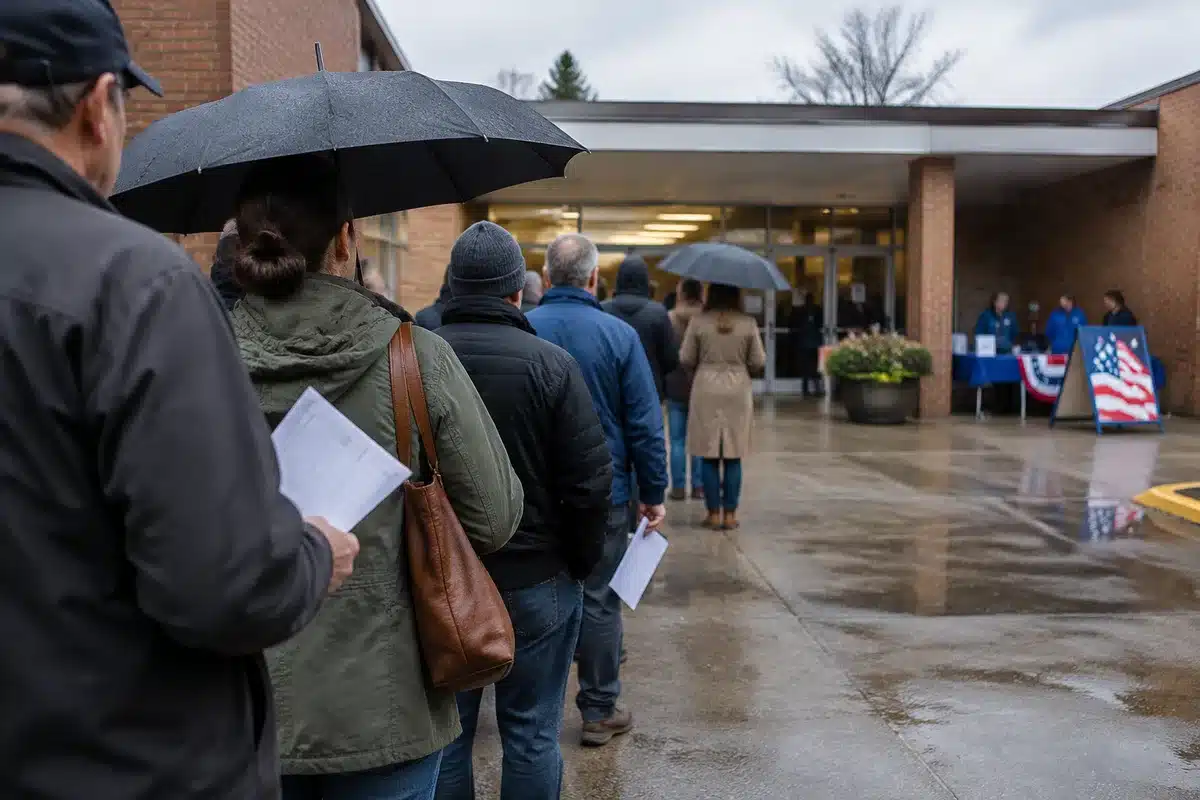
This year, Father’s Day is expected to generate R$29.7 billion in sales across Brazil’s 27 state capitals, up 9.6% from the 2025 purchase-intention forecast, according to the National Confederation of Shopkeepers. Approximately 104 million people are expected to shop in the coming days, with gifts averaging about R$286 per purchase.
The celebration’s economic reach has prompted major brands to rethink how they market to consumers. Retailers and fashion companies have historically centered campaigns on gift-giving, but a significant shift is underway, driven in part by how younger generations view the occasion.
From Gifts to Presence: How Brands Are Reframing Father’s Day
According to research by InstitutoZ, only 33% of Generation Z (born 1996-2009) say they celebrate Father’s Day, and 8% say it has no meaning in their lives. The same study found that 41% of young people would be more loyal to brands that allowed them to mute communications about the occasion, signaling demand for approaches sensitive to different family structures.
A broader Hibou survey conducted in June among 1,251 people over age 18 found that 41% of consumers now consider being together the best Father’s Day gift—up 17 points from the previous year. Although average spending remains similar to 2025, gifts are no longer the centerpiece of the celebration.
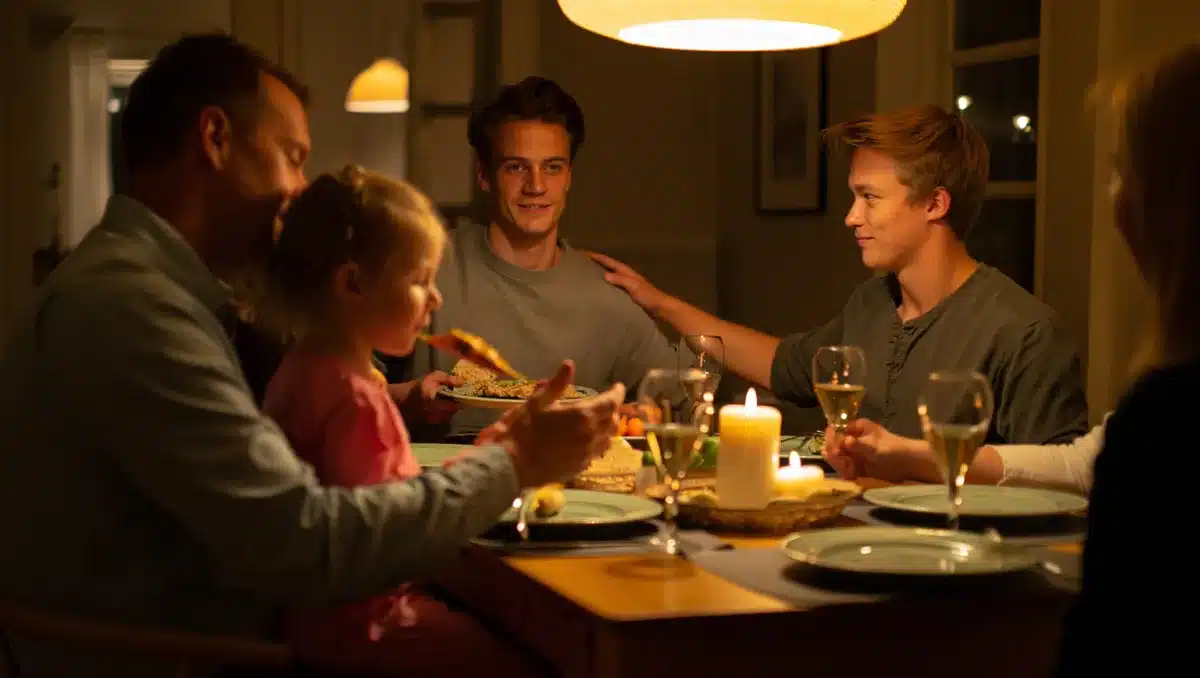
Major brands including Hering, Havaianas, Riachuelo, and Reserva have adjusted their campaigns to emphasize shared experiences, caregiving, and time spent together rather than traditional gift-giving. Riachuelo’s campaign, titled “Laugh with him: Laugh with those who inspire you,” features stepfathers and children in various family arrangements, reflecting the reality that 7.8 million mothers in Brazil are raising children alone, according to the 2022 Census by the Brazilian Institute of Geography and Statistics.
This shift also reflects changing consumption patterns. The share of consumers intending to buy sporting goods for Father’s Day rose to 27% from 9% in one year, driven by concern for fathers’ health and longevity, while barbecues and alcoholic beverages became less relevant. Men’s personal-care products have also gained ground as gifts become more closely associated with affection and self-care rather than symbolic objects.
Sources
- Valor International — Father’s Day sales forecast (R$29.7 billion), consumer spending data, and brand campaign shifts toward family time and different family structures.
- Time and Date — Confirmation that Father’s Day 2026 in Brazil falls on Sunday, August 9, and is celebrated on the second Sunday of August.
- Official Holidays — Date selection honoring Saint Joachim and origin of the second-Sunday tradition.
- Portuguese Pod101 — Sylvio Bhering’s role in establishing Father’s Day in 1953.
- Rio and Learn — Historical context on the holiday’s creation and Saint Joachim’s significance.