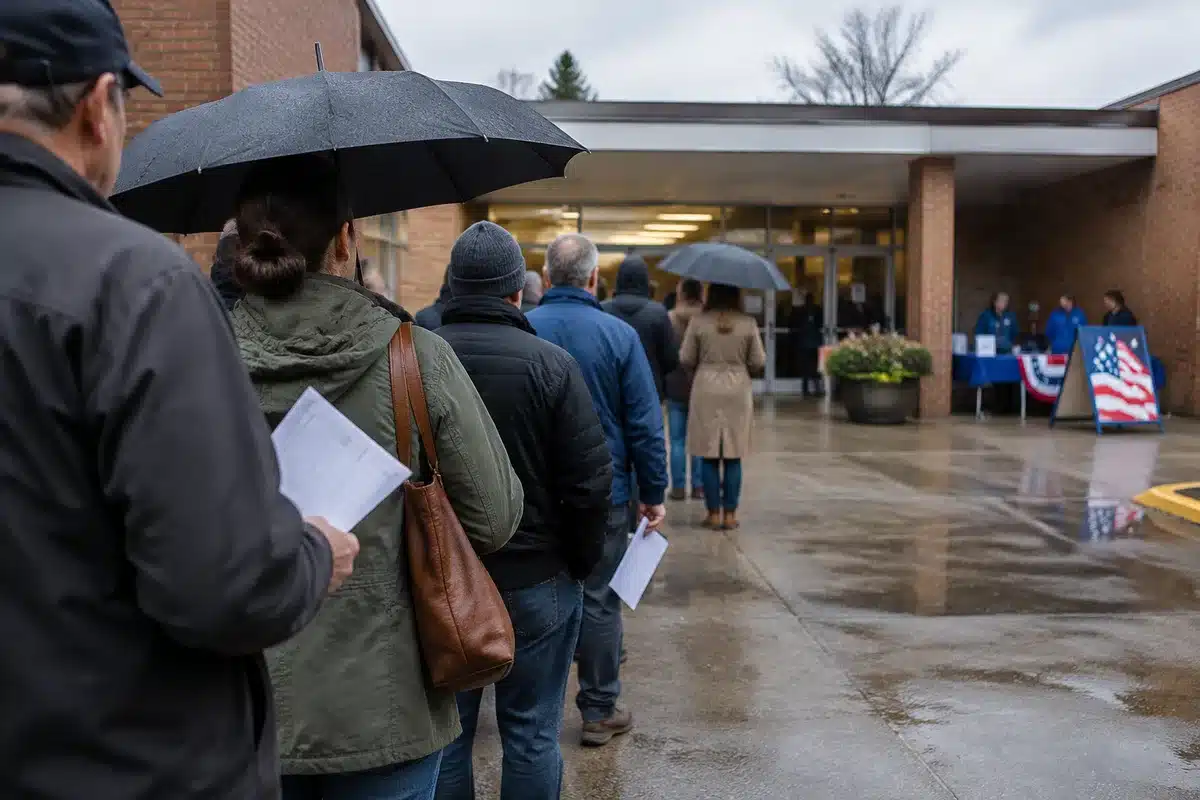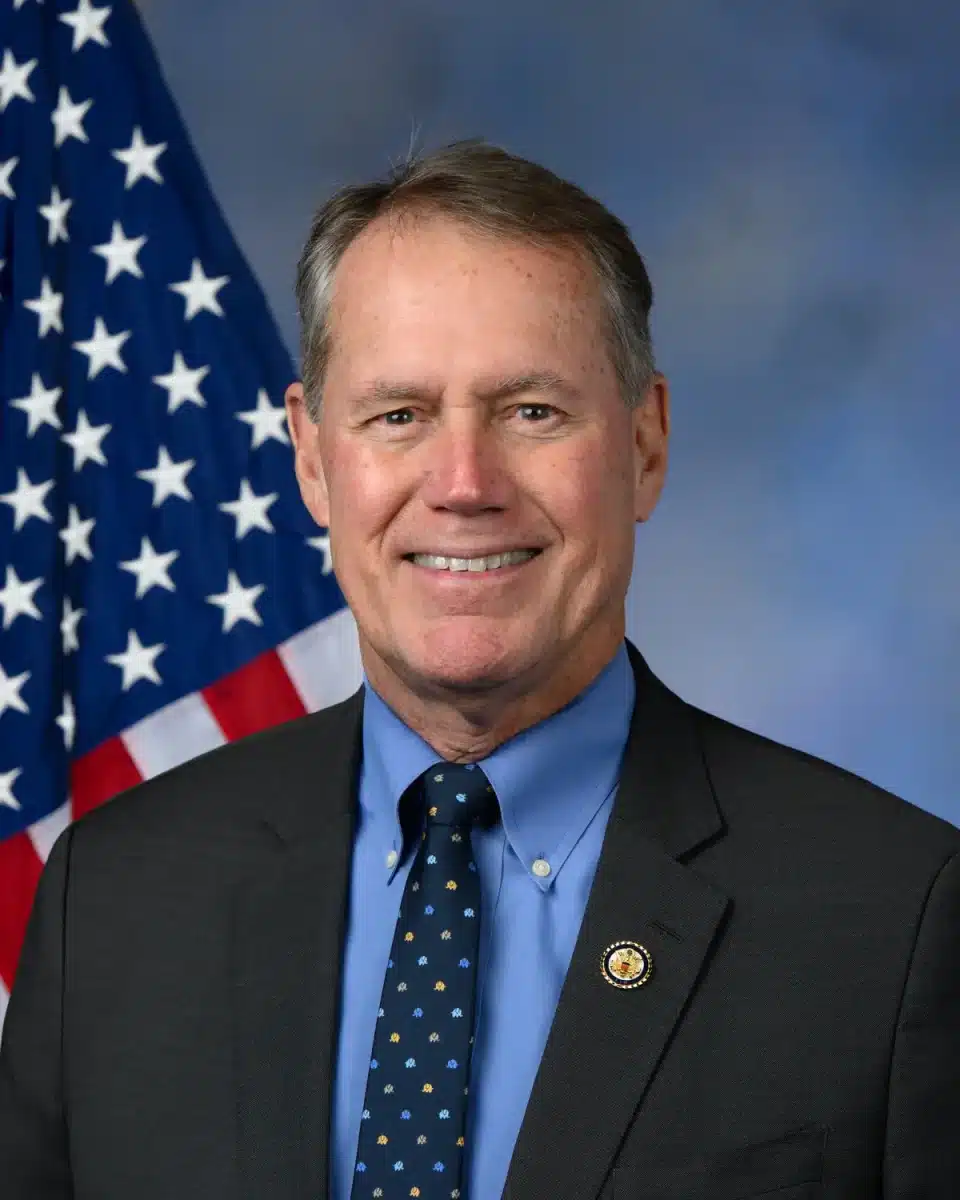
U.S. Representative Ed Case won Hawaii’s 1st Congressional District Democratic primary on Saturday, defeating state Senator Jarrett Keohokalole and securing the nomination to represent urban Honolulu in Congress. Case, a moderate Democrat, prevailed with an estimated 57 percent of the vote to Keohokalole’s 34 percent, according to the Associated Press.
The race drew national attention as a test of generational and ideological tensions within the Democratic Party. Keohokalole, a younger progressive challenger, argued that the district needed a more forceful voice on issues important to island residents and a more reliable Democrat who would toe the party line more consistently than Case.
Keohokalole repeatedly criticized Case for voting for an early version of the SAVE Act, a strict voter ID bill that President Donald Trump has been pressuring Republicans to pass, and attacked him for not being more outspoken about the administration’s immigration enforcement actions. The challenger also positioned himself as a reformer, citing his success in the state Senate passing legislation designed to restrict corporate money in Hawaiian politics through measures meant to undermine Citizens United.

Case countered by emphasizing his seniority in Congress and his position on the powerful Appropriations Committee, where he wields outsized influence over federal spending priorities. He argued that Hawaii needs a steady, experienced voice in Congress and criticized Keohokalole for offering few competing policy proposals of his own. Case’s campaign strategy remained modest; on election day, he spent hours sign waving in the district alone, while Keohokalole hosted a watch party with supporters, lei, and Tahitian dancers at Sacred Hearts Academy.
The primary race reflected a broader 2026 pattern of progressive challengers targeting moderate Democratic incumbents across the country. While progressives have notched several high-profile primary victories this cycle, Case’s decisive margin suggests that moderate incumbents with established seniority and committee positions can still prevail in Democratic primaries, particularly in districts with a history of electing Democrats to Washington.
Case first won the seat in 2018 and has long been known as one of the most fiscally conservative members of the Democratic caucus. He has also drawn scrutiny from shipping interests and maritime unions over his opposition to the Jones Act, a century-old maritime law that requires goods shipped between U.S. ports to be transported on U.S.-built, U.S.-owned vessels. Those interests backed Keohokalole’s challenge, with the challenger raising nearly $1 million in campaign contributions, while Case raised about $1 million, mostly from political action committees tied to the defense and sugar industries.
Keohokalole conceded the race as results came in Saturday evening. Given Hawaii’s history of sending Democrats to Washington and limited Republican competition in the general election, Case is expected to represent the islands in Congress in 2027.
Sources
- Honolulu Civil Beat — detailed primary results, candidate positions on SAVE Act and immigration, campaign spending, and election night coverage
- New York Times — national context on Case as moderate Democrat defeating progressive challenger, generational and ideological dimensions of the race
- Hawaii News Now — Case’s statements on shipping interests and maritime unions funding Keohokalole amid Jones Act dispute
- Associated Press / Ballotpedia — primary date (August 8, 2026), final vote percentages, and race outcome confirmation