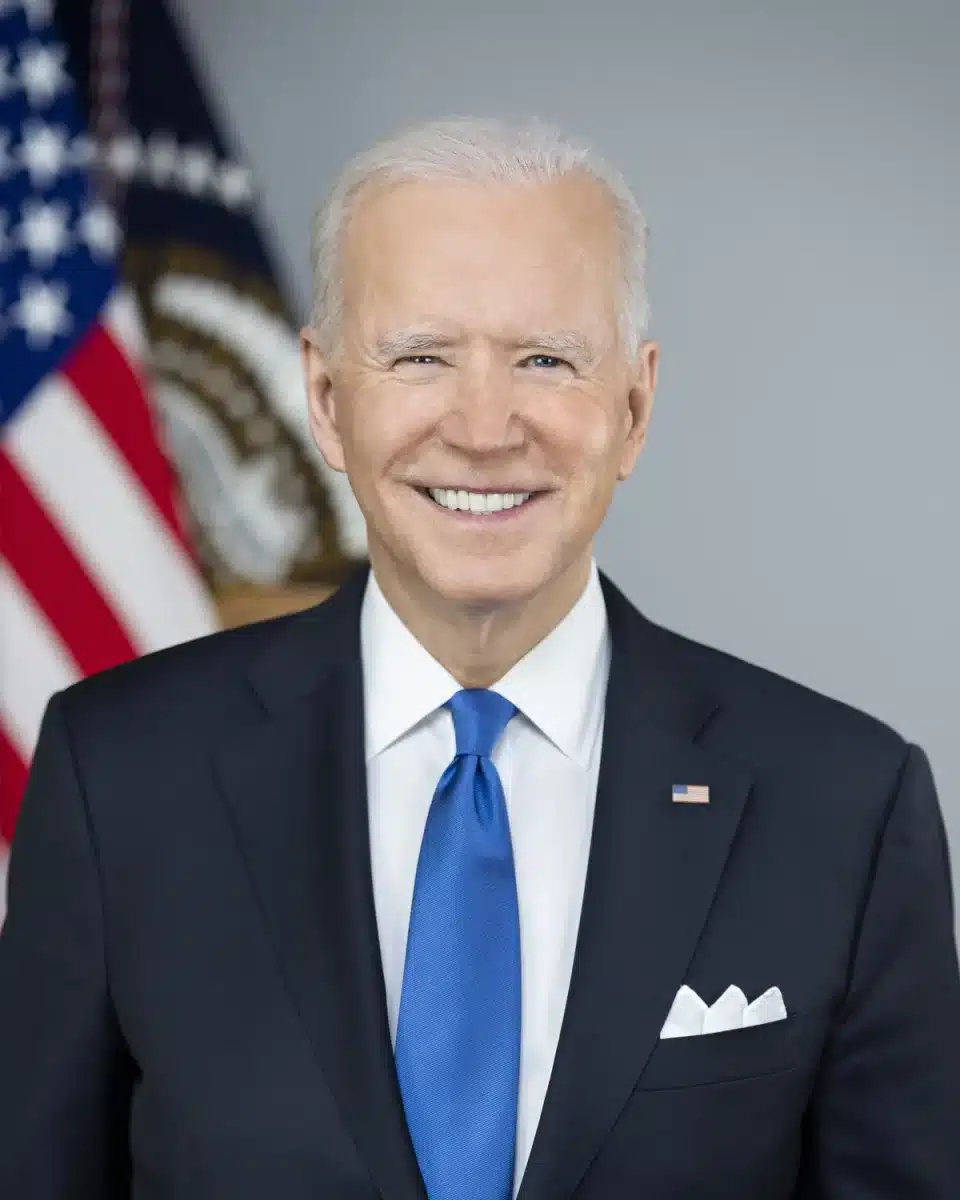
Former President Joe Biden has ended his legal battle to block the release of recordings from his interviews with memoir ghostwriter Mark Zwonitzer, allowing the Trump Justice Department to publicly disclose 70 hours of audio and transcripts from 2016 and 2017.
Biden’s lawyers filed a notice of voluntary dismissal on July 25, 2026, after a federal appeals court rejected his bid to block the release on July 21. The move marks the end of a prolonged legal fight that began when Biden filed suit in May 2026 to prevent the Justice Department from turning over the recordings.

The recordings stem from Biden’s interviews with Zwonitzer while working on his 2017 memoir, “Promise Me, Dad.” Special Counsel Robert Hur obtained the tapes during his 2023 investigation into Biden’s handling of classified documents discovered at his Wilmington, Delaware home in 2022. Hur concluded in February 2024 that although Biden had improperly retained some classified documents, criminal charges were not warranted.
The Heritage Foundation, a conservative think tank, filed suit in April 2024 to compel the release of the recordings under public records law. Republicans in Congress demanded access to the material after Hur’s decision not to prosecute. The Justice Department initially opposed the release, arguing it would be tantamount to releasing “entries in a personal diary.” In May 2026, however, the Trump administration reversed course and announced its intention to disclose the materials.
Biden then intervened in the lawsuit, arguing that his privacy interests outweighed the public’s interest in the tapes and that multiple laws prevented their release. A three-judge panel of the U.S. Court of Appeals for the District of Columbia Circuit disagreed in a 2-1 ruling, finding “substantial” public interest in disclosure. Chief Judge Sri Srinivasan, an Obama appointee, and Judge Gregory Katsas, a Trump appointee, voted to allow release. Judge Florence Pan, a Biden appointee, dissented.

According to Hur’s 2024 report, the recordings were “painfully slow, with Mr. Biden struggling to remember events and straining at times to read and relay his own notebook entries.” The report described Biden as “a sympathetic, well-meaning, elderly man with a poor memory.” Conservative activists seeking the tapes have stated they hope the recordings will validate concerns about Biden’s mental acuity before his 2024 presidential run, which he ended after a poor debate performance.
Jeffrey Clark, vice president for litigation at the Oversight Project, told NPR that conservative organizations involved in the lawsuit plan to immediately publicize the entirety of the tapes and transcripts. The recordings released in late July 2026 include instances where Biden references classified documents and discusses his inability to recall certain dates and details.
Biden’s decision to abandon the legal fight contrasts sharply with former President Donald Trump’s aggressive litigation strategy. Trump’s DOJ has pursued aggressive legal strategies on multiple fronts, including efforts to pause court orders in separate cases. A source familiar with Biden’s decision noted that the Trump Justice Department had abandoned the DOJ’s traditional opposition to turning over such material, calling the government’s ability to wield its power against individuals in this manner “dangerous.”
Sources
- NPR — Biden’s decision not to appeal the court ruling, the Heritage Foundation’s lawsuit, and conservative groups’ plans to publicize the recordings
- NBC News — The appeals court’s 2-1 ruling rejecting Biden’s bid to block release, the court composition and reasoning, and the timeline of the legal battle
- PBS NewsHour — Details on Mark Zwonitzer as the ghostwriter and the contents of the recordings
- BBC News — Information about the 2017 memoir “Promise Me, Dad” and Hur’s findings on classified documents
- CNN — References to classified documents in the released audio recordings
- AP News — The Heritage Foundation’s role in the lawsuit and Zwonitzer’s work on Biden’s memoirs
- The Hill — Details on the appeals court’s decision and the stay until August 3