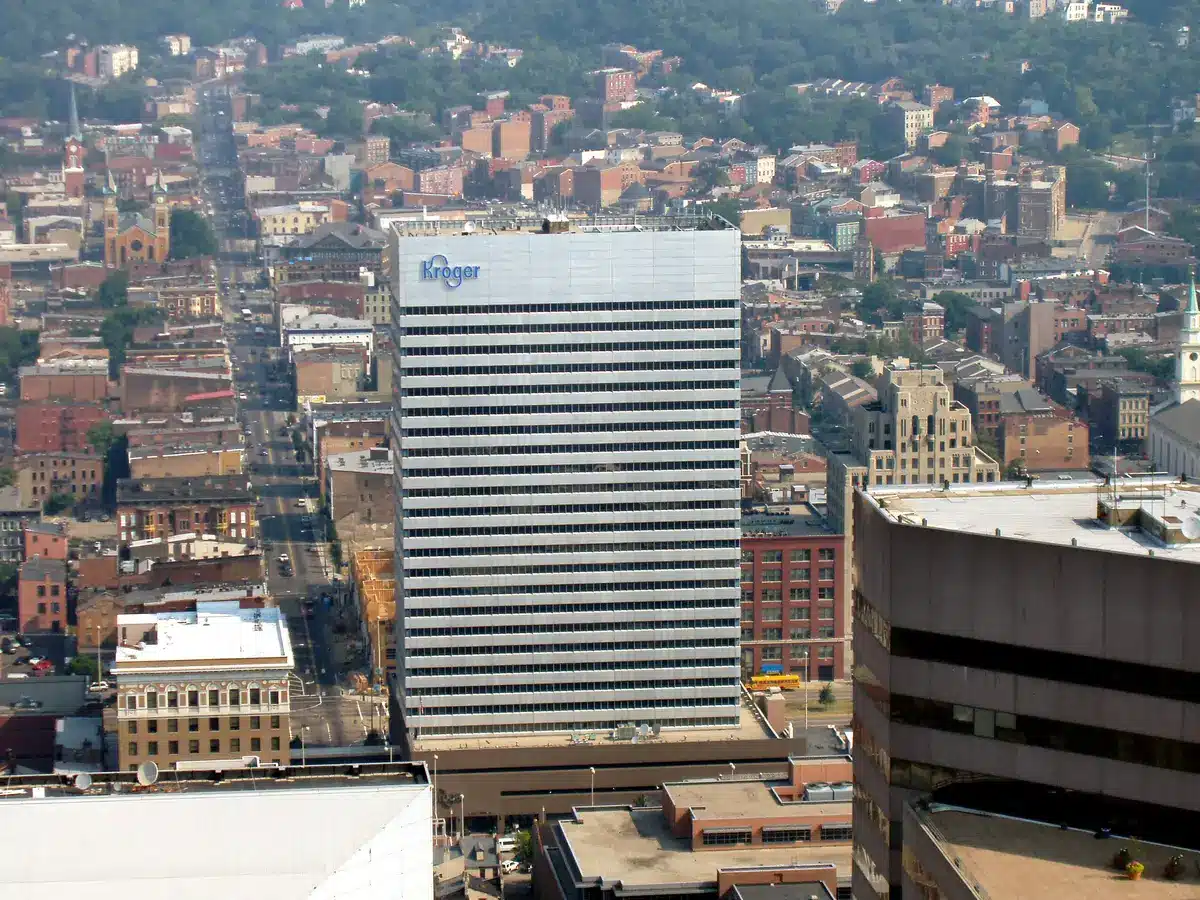
Since taking over as CEO of Berkshire Hathaway on January 1, Greg Abel has reshuffled the conglomerate’s stock portfolio—trimming Apple, building a large position in Alphabet, and closing out more than a dozen smaller holdings—yet left the company’s energy investments almost entirely untouched, a signal that may reveal his conviction about the sector’s future.
Abel has held steady on Berkshire’s stakes in Chevron, which remains a top-five holding at roughly 7% of the equity portfolio, and Occidental Petroleum, a large position the company has not reduced by a share. Earlier in 2026, Berkshire completed the purchase of Occidental’s OxyChem petrochemicals business, deepening rather than exiting the relationship. Sitting atop those stock positions is Berkshire Hathaway Energy, the wholly owned utility giant that Abel himself built into a powerhouse during his decades running the company before his promotion to CEO.
The contrast is striking. While Abel overhauled the technology portfolio, energy stood pat. For an investor who spent his entire career in the energy sector, that steadiness carries weight. Abel is an energy operator at his core—he joined Berkshire in 2000 when it acquired a majority stake in MidAmerican Energy, which later became Berkshire Hathaway Energy, and he served as its president and then CEO before moving into his role as vice chair of non-insurance operations in 2018.
The timing of this inaction sharpens the signal. Artificial intelligence is driving a surge in electricity demand, and Abel has said that roughly half of Berkshire Hathaway Energy’s businesses now serve AI-related power needs, with data centers already making up a growing share of the load in some markets. According to Goldman Sachs, US data center power demand is projected to more than double from 31 gigawatts in 2025 to 66 gigawatts by 2027, primarily driven by AI infrastructure buildouts. This surge is reshaping the energy sector’s investment landscape.
Since Abel took the helm, Chevron and Occidental Petroleum have been among Berkshire’s top performers. Through July 28, 2026, Chevron had risen 20.3% and Occidental 27.3% during his tenure, topping the portfolio’s returns. The Motley Fool’s analysis suggests that Abel’s decision to hold steady on energy, while overhauling nearly everything else, hints at real conviction. Both the oil stocks and the utilities look less like leftovers and more like a deliberate bet on a world that will need vastly more energy—and the grid infrastructure to deliver it.
Inaction is not always a strategy, and it is worth noting that these positions were built by Warren Buffett, Abel’s predecessor. Abel may be holding steady out of respect and prudence rather than sending an explicit message. Oil is cyclical and swings with prices and geopolitics, and enormous stakes like these are hard to move quickly. Yet when a lifelong energy operator becomes CEO and leaves the energy holdings untouched while overhauling nearly everything else, that steadiness does say something about where the post-Buffett Berkshire sees lasting value.
Sources
- The Motley Fool — Greg Abel’s decision to leave energy holdings untouched, Chevron and Occidental positions, OxyChem purchase, AI data center power needs, and analysis of the signal
- The Globe & Mail — Chevron and Occidental Petroleum performance since Abel took over, with 20.3% and 27.3% gains through July 28, 2026
- Goldman Sachs — US data center power demand projection from 31 GW in 2025 to 66 GW by 2027
- Reuters — Greg Abel’s background in energy, his role at MidAmerican Energy / Berkshire Hathaway Energy, and the OxyChem acquisition