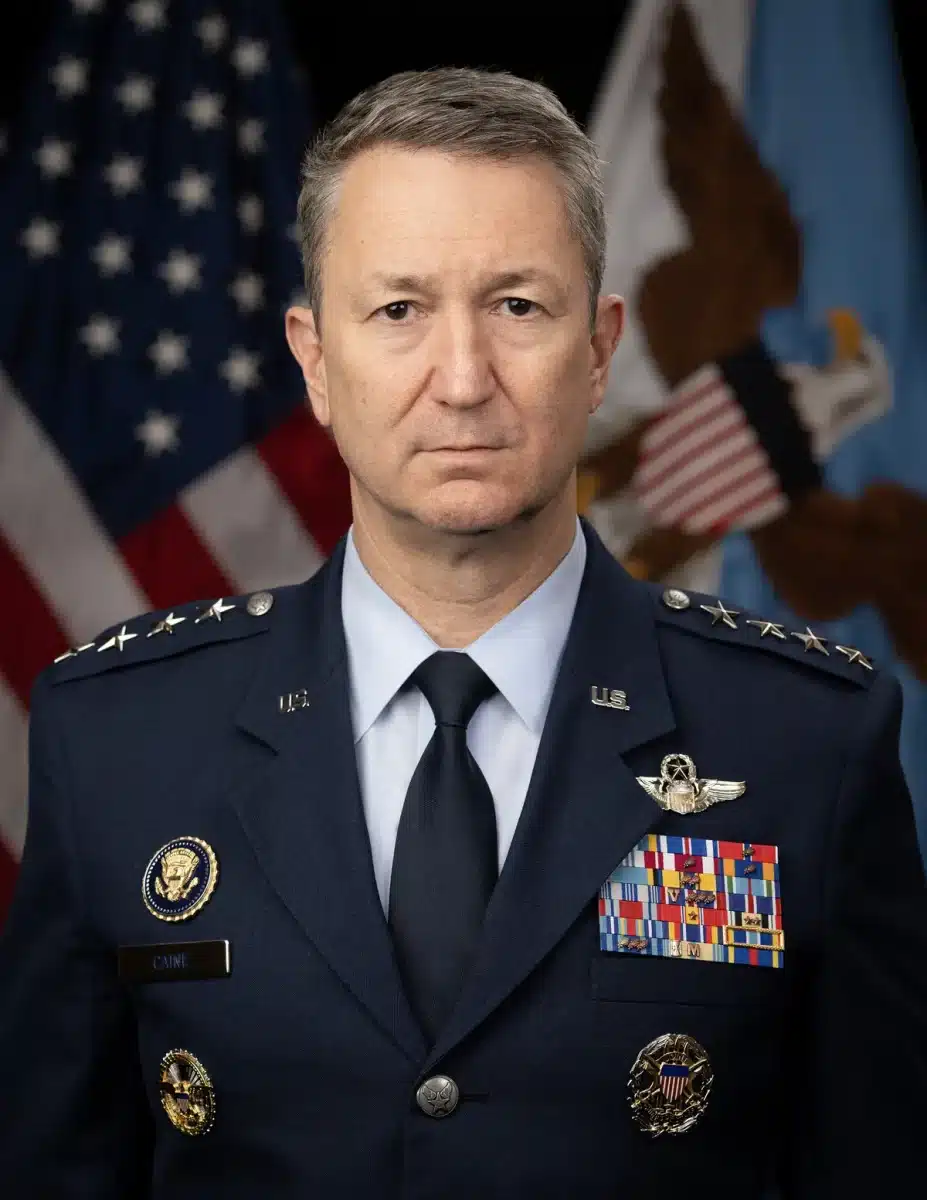
Gen. Dan Caine, the Chairman of the Joint Chiefs of Staff, has privately told Trump administration officials that the United States needs to find an off-ramp from the Iran war, signaling deep concerns within the military’s top ranks about the conflict’s trajectory and the limits of airpower alone.
Over the last few weeks, Caine has made clear to other top Trump advisers that military options on the table to escalate the conflict could backfire and are unlikely to achieve the president’s stated objectives, according to three sources familiar with the matter. “Caine is looking for an off ramp,” one source told CNN.
Caine is not alone in his position. He has discussed these concerns with key Cabinet officials including CIA Director John Ratcliffe, Secretary of State Marco Rubio, and Vice President JD Vance, two sources said. The top general has recently coordinated with these like-minded officials to ensure they present a unified message to Trump about the limitations of military escalation, according to the sources.

The war with Iran began on February 28, 2026, when the U.S. and Israel launched Operation Epic Fury with extensive air strikes across Iranian targets. Nearly six months into the conflict, Caine’s private advocacy for an off-ramp represents a significant shift — the country’s top military officer is now essentially arguing there is no easy military solution to end a war the president chose to enter.
A key factor driving Caine’s position is the depletion of U.S. munitions stockpiles. Caine has raised concerns about dwindling supplies during at least two recent White House meetings where options for escalating were discussed. Senior military commanders believe the munitions stockpile is “dangerously low,” according to sources previously reported by CNN, and the shortage has become one reason the Pentagon and U.S. Central Command have begun reevaluating military strategy.
In late July, Trump appeared ready to greenlight what he described as a “massive” escalation operation, but ultimately backed off after consulting with Middle East allies who expressed fears of Iranian retaliation, particularly attacks on their energy infrastructure, according to a senior administration official. The president has not taken the planned strikes off the table for a future date.
Caine has walked a delicate line in his role. When presenting concerns directly to Trump, he has emphasized the limitations of available military options and the risks of escalation. But he has also been careful to preserve his relationship with the president, noting during a recent White House meeting that if Trump wanted to proceed with operations, “we could absolutely wreck them,” according to a source familiar with that discussion.
Before the war began, Caine and other military leaders similarly warned Trump that a protracted military campaign could impact U.S. weapons stockpiles — particularly those supporting Israel and Ukraine. That warning has proven prescient. Trump has grown increasingly frustrated by how the munitions issue appears to undermine his ability to credibly project strength in negotiations with Iran, according to sources.
The search for fresh strategic options reflects the broader challenge facing the administration. A senior military official at CENTCOM recently sent a crowdsourcing email seeking creative and unconventional ways to pressure Iran — a tacit acknowledgment that conventional military options have stalled. “It is rough when you are looking at those options in the middle of the war instead of before it starts,” one source familiar with planning discussions told CNN.
Trump’s administration has also grappled with the reality that many within the military and intelligence community believe the only way to decisively defeat Iran would require a major ground operation — a commitment that could potentially cost thousands of American lives and one no one in the administration is currently advocating for. Instead, Caine and other officials are working to develop alternative options that fit within Trump’s stated parameters, focusing on finding what one source described as a “symbolic” win the president can sell to the American people while allowing for potential diplomatic progress.
Caine’s spokesperson declined to comment on the private discussions, saying the chairman does not discuss confidential conversations with the president or other senior leaders. The White House and State Department also declined to comment on the reporting.
Sources
- CNN — Gen. Dan Caine’s private advocacy for an off-ramp from the Iran war, his concerns about military escalation options, munitions stockpiles, the late-July escalation decision, and coordination with Cabinet officials including Ratcliffe, Rubio, and Vance.
- U.S. Central Command and Department of Defense — Operation Epic Fury launch date (February 28, 2026) and the ongoing military campaign against Iran.
- Multiple sources — Reports on U.S. munitions stockpile depletion concerns and their impact on military readiness during the Iran war.