Federal judges report a surge in threats against them following recent Trump administration rulings, with security agencies documenting an unprecedented wave of violent messages and intimidation that is forcing the judiciary to seek major increases in protection spending.
The U.S. Marshals Service recorded 564 threats against federal judges in fiscal year 2025, and as of July 1, 2026, there have been 370 additional threats to judges this fiscal year, according to agency data. For federal judges overall, there was a 57% rise in “security incidents of significant concern” in fiscal year 2025, while the Supreme Court Police is anticipating a 38% increase in threats for 2026, Justice Elena Kagan told Congress on July 14.
Judges who have ruled against the Trump administration are speaking publicly about the threats they face, a rare break from judicial tradition. Judge John Coughenour, a Reagan appointee from Washington state, detailed death threats and bomb scares that followed his ruling blocking Trump’s executive order to end birthright citizenship. He said he received dozens, if not hundreds, of death threats. After his ruling, sheriff’s deputies arrived at his home with long rifles in response to a false report that he had murdered his wife—a cruel hoax. The next day, he received a bomb threat.
Judge Esther Salas, a federal district court judge in New Jersey appointed by Barack Obama, has become a leading voice on the attacks. Salas lost her son Daniel to a shooting in 2020 by a failed litigant, and she now fears that today’s political rhetoric makes such violence more likely. She has been targeted with unsolicited pizza deliveries sent to her home in the name of her murdered son, with messages stating “We know where you live. We know where your children live.” At least 20 pizzas were sent to judges and their children across the country in similar intimidation campaigns.
The judges connect the threats directly to Trump’s rhetoric. When Trump lost court battles, he called judges “lunatics” and “monsters.” Coughenour, in his 44 years on the bench, said he had never encountered such hostility toward the judiciary. Trump has also lobbed sharp personal attacks against Supreme Court justices, particularly after the high court struck down his most sweeping tariffs, calling justices “an embarrassment to their families” and describing them as “weak, stupid, and bad.”
Justice Kagan warned Congress that intimidation crosses a line. “Criticism of the court’s rulings are fair game,” she said, “but intimidation is a different thing entirely. And when political figures of any stripe are trying to intimidate judges and justices to do things that they like rather than the things that they don’t, that’s where we really have crossed the line.”
The Trump administration has pushed back. Deputy Attorney General Todd Blanche called the judicial rulings against the administration “a war,” accusing judges of “not following the law.” The White House statement said President Trump “understands the dangers of political violence” as a survivor of assassination attempts, and accused the judiciary of “brazen defiance” with “unlawful rulings.”
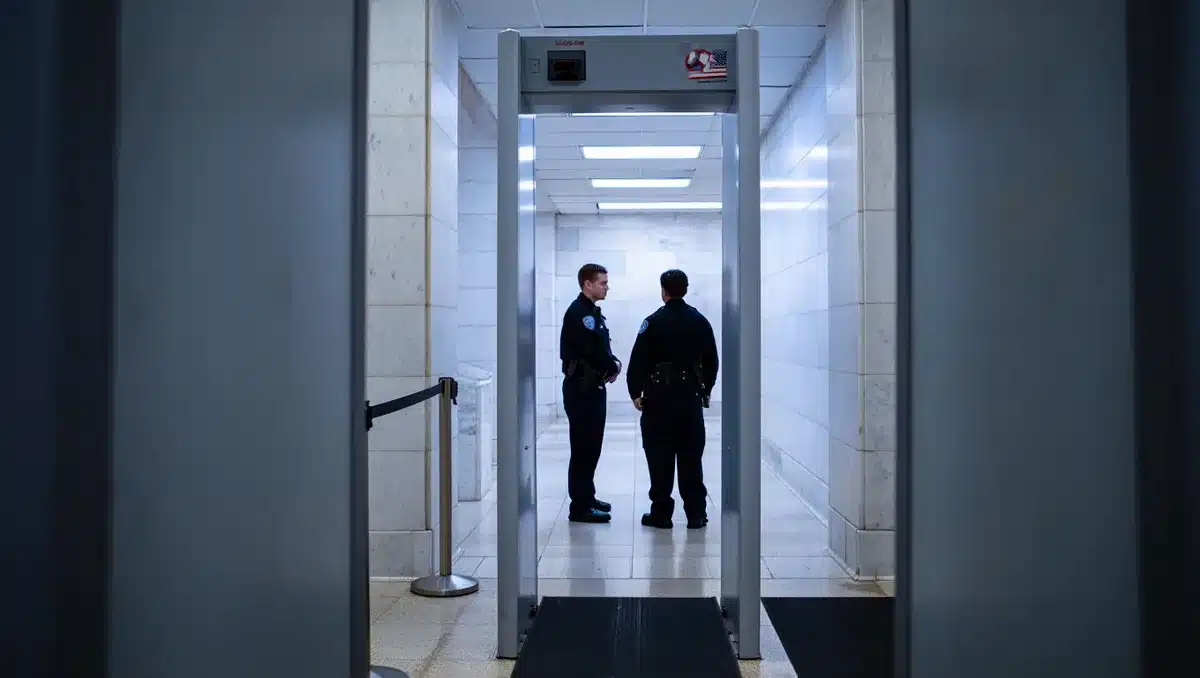
In response to the escalating threats, the Supreme Court is seeking more than $228 million from congressional appropriators for the next fiscal year, an increase of more than $20 million. Part of the court’s funding request includes an additional $14.6 million to expand security for the justices provided by the Supreme Court Police, which would allow for an additional six agents per member of the court. Each justice is currently assigned between four and eight officers as part of their security details.
Ron Zayas, CEO of Ironwall, a company that removes judges’ personal data from the internet, told CBS News he has never seen as many violent threats in 14 years of work. He noted a shift in the nature of threats: “The threats used to be, ‘you ruled against me. And I wanna kill you.’ Now the kind of threats we’re seeing—there’s a whole other sphere of saying ‘I wanna influence what you do.’ It’s mob mentality.”
Judge John Jones, a retired federal judge from Pennsylvania appointed by George W. Bush, formed a bipartisan group of 55 retired judges to lobby the White House to stop what they call the demonization of judges. Jones told CBS News that if the current environment continues, “we’re gonna get a judge killed. It’s just that stark.” Chief Justice John Roberts has condemned the threats to all U.S. judges, saying personally directed hostility is “dangerous, and it’s got to stop.” The federal judge who detailed threats after Trump ruling emphasized that the constitutional system depends on judges applying the law independently.
Sources
- CBS News — Supreme Court justices’ testimony on security threats and funding requests; federal judges’ threat statistics; Justice Kagan and Justice Barrett’s statements on the rise in threats; data on security incidents
- The Guardian — Supreme Court justices’ July 14, 2026 testimony before House appropriations committee; details on security budget requests and threat increases
- ECIKS — Judge John Coughenour’s account of death threats and bomb scares following birthright citizenship ruling; Judge Esther Salas’s experiences with intimidation; U.S. Marshals Service threat statistics for FY2025 and FY2026
- U.S. Marshals Service — Judicial security threat data showing 564 threats in FY2025, 370 threats as of July 1, 2026, and 57% rise in security incidents of significant concern