Kansas voters rejected a constitutional amendment to directly elect state Supreme Court justices while nominating Ty Masterson, the Republican Senate president backed by President Trump, as the GOP’s 2026 gubernatorial candidate on August 4. The dual results reflect sharp divisions over how the state’s highest court should operate and who will lead the state into the general election.
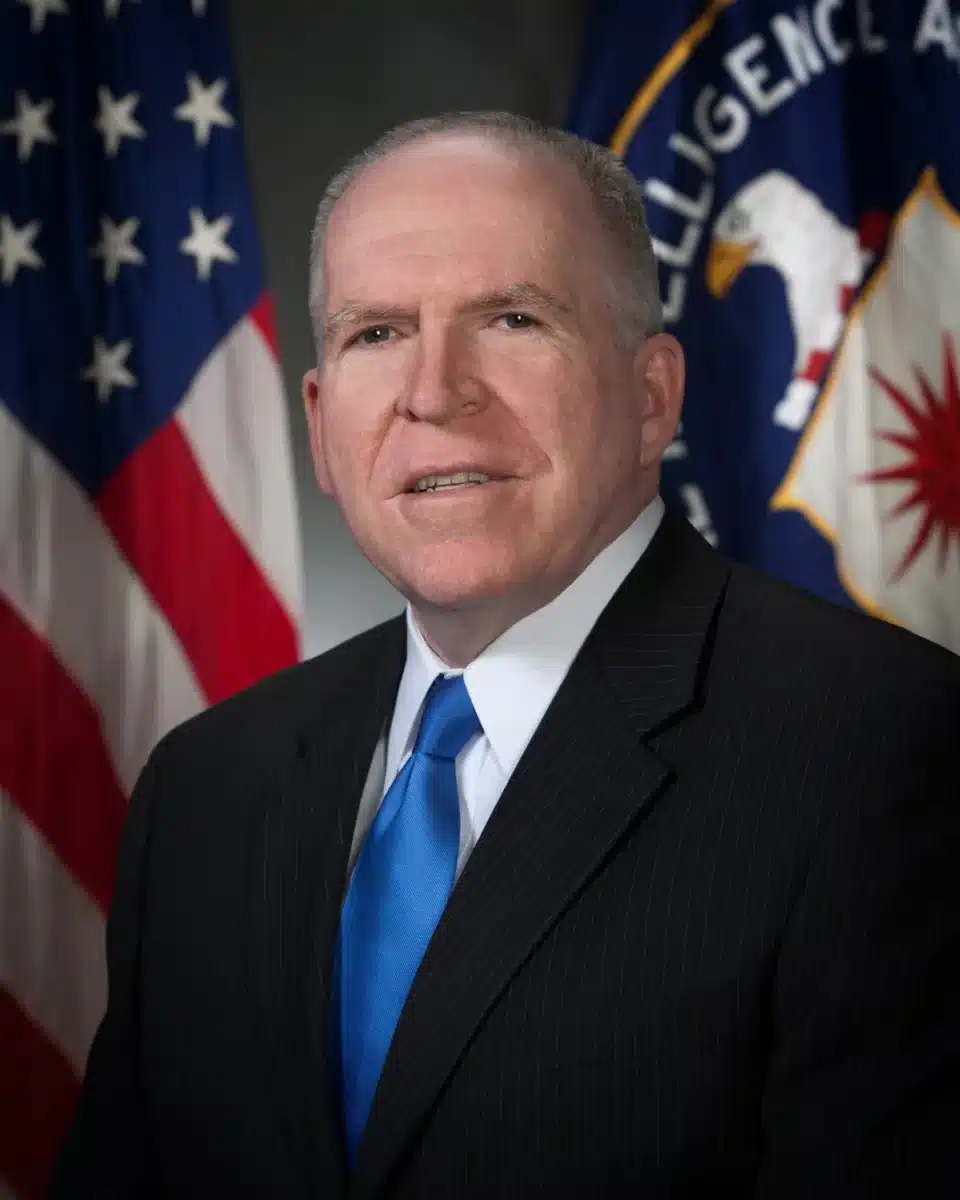
Masterson, from Andover, secured 43% of the GOP vote in a crowded seven-candidate field, according to the New York Times. He will face Democrat Cindy Holscher in the November general election for governor.
The constitutional amendment, introduced by Republican lawmakers, would have abolished Kansas’s merit-selection system and replaced it with direct elections for Supreme Court justices. Voters rejected the measure decisively, with approximately 59% to 62% voting “no,” according to multiple sources including the Kansas Reflector and NBC News.
Kansas has relied on merit selection for nearly seven decades, a system used by 13 other states, according to the State Court Report. Under this approach, a judicial commission reviews candidates and recommends nominees to the governor, who then appoints justices. Justices face retention elections where voters decide whether they should remain in office, but candidates do not run against each other in partisan contests.
Republicans pushed the amendment partly out of frustration with the appointed court’s rulings on abortion rights. The New York Times reported that the amendment “was introduced by Republicans frustrated by the appointed court’s support of abortion rights.” The measure sought to give voters the power to elect justices and, supporters hoped, allow them to elect at least four conservative, anti-abortion justices to the seven-member court, according to the Associated Press.
Reproductive rights advocates framed the ballot measure as an attempt to weaken abortion protections. The 19th News reported that “reproductive rights supporters framed the ballot measure to elect state justices as an attempt to weaken abortion rights,” signaling how the judicial selection debate became entangled with the broader abortion access dispute.

The rejection of the amendment echoes a similar outcome four years earlier. In 2022, Kansas voters also rejected a Republican-backed ballot measure, the “Value Them Both” amendment, which would have eliminated the state constitutional right to abortion. That vote demonstrated Kansas voters’ reluctance to support GOP-led efforts to restrict abortion access, even in a state where Republicans hold significant legislative power.
Masterson’s primary victory underscores President Trump’s continued influence in Kansas Republican politics. The Senate president credited Trump for “friendship and his support throughout this campaign,” according to the Kansas Reflector, and invited Republicans who voted for other candidates to unite behind him for the general election. Trump had endorsed Masterson in May, calling him his friend and praising his more than 20 years as a state legislator.
Sources
- Kansas Reflector — Masterson’s primary victory, his credit to Trump, and the amendment rejection with vote percentages
- New York Times — Masterson’s vote share (43%), the amendment’s introduction by Republicans frustrated with court’s abortion stance, and final amendment results
- NBC News — Masterson’s primary win, Trump endorsement, and amendment rejection
- Associated Press — Republicans’ hopes to elect four conservative anti-abortion justices if amendment passed
- State Court Report — Kansas merit-selection system used for nearly seven decades, also used by 13 other states
- The 19th News — How reproductive rights supporters framed the amendment as a threat to abortion access