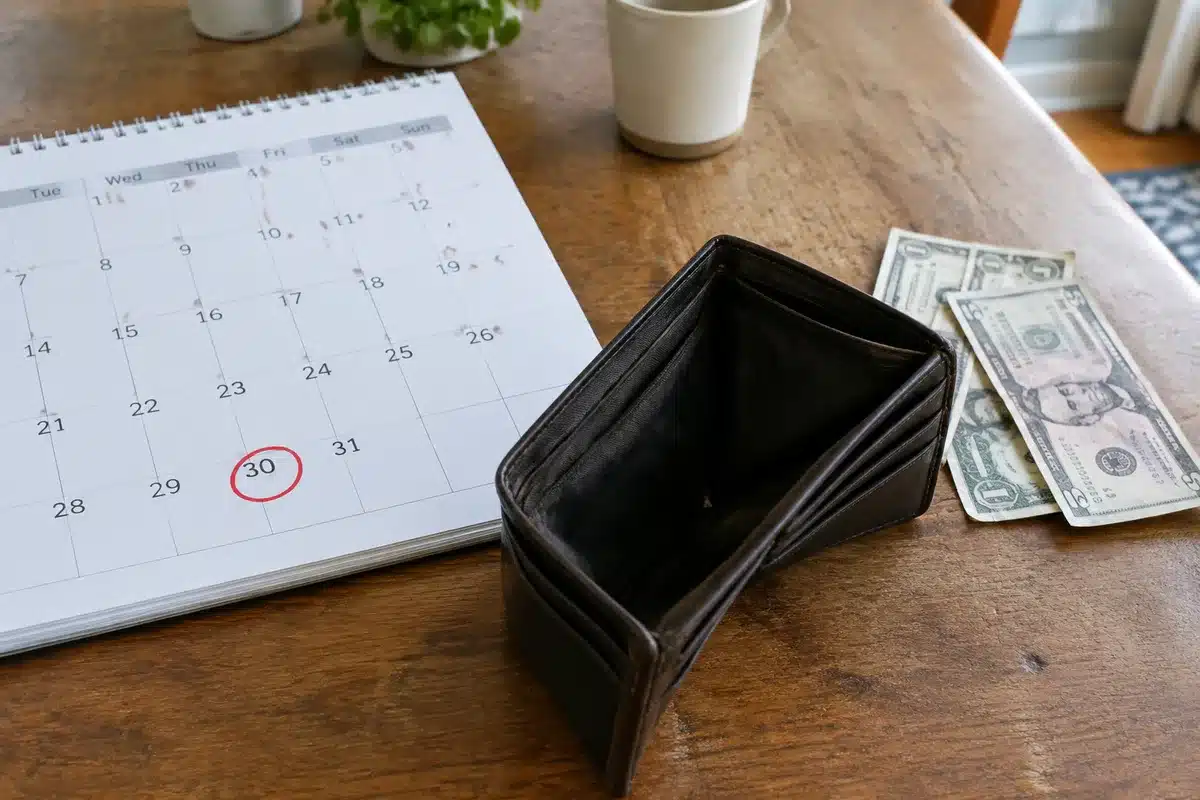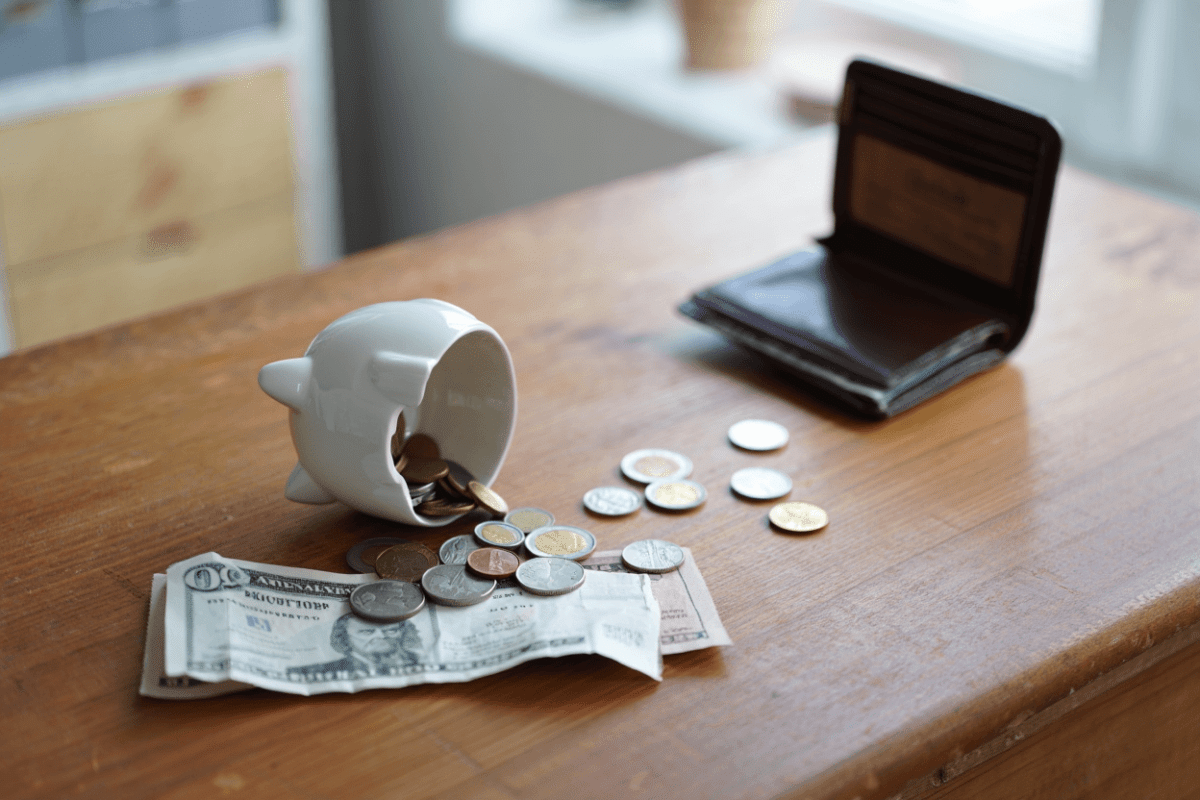
Americans are saving less in 2026 as inflation outpaces wage growth, pushing the personal savings rate to levels unseen since the post-pandemic spending surge. The savings rate fell to 2.6% in April, down from 5.8% a year earlier, according to data from the Bureau of Economic Analysis released in May, marking one of the lowest levels in more than 65 years outside the pandemic era.
The squeeze on household budgets stems from a widening gap between the cost of living and paychecks. Inflation rose 3.8% in April from a year earlier, the highest level since May 2023, while average hourly earnings climbed just 3.6%, leaving workers unable to keep pace with rising prices on essentials.
“It is so low,” said Heather Long, chief economist at Navy Federal Credit Union, describing the April savings rate. “Outside of the revenge spend era of 2022, the personal savings rate has almost never been this low in the past 65 years.” Long noted that even with tax cuts, paychecks aren’t keeping up with inflation. “It’s more than just high gas prices. It’s rising electricity, healthcare and food prices. These are the basics that people must pay. It’s harder to skimp on these items.”
Gasoline has been a particular pressure point since the start of the Iran war, hitting a national average of $4.43 a gallon as of May 2026. Combined with elevated costs for groceries and utilities, the burden on household budgets has forced Americans to make difficult trade-offs.
Unable to save, many households are turning to credit and tapping retirement accounts. A NerdWallet survey in early May found that 37% of Americans say they’ll have to use a credit card, Buy Now Pay Later service, or other loan to cover at least some of their expenses that month—including 35% of households earning at least $100,000 a year. Fidelity data released in May showed that more workers are drawing on retirement savings during financial stress: the share of workers with an outstanding 401(k) loan rose to 19.2% in the first quarter of 2026, up from 18.8% a year earlier, with increases also in new loans and hardship withdrawals.
The savings decline follows a pattern seen in prior periods of elevated inflation. When inflation pressures mounted in 2022, the savings rate fell to 2.2% in June amid record-high prices and Americans eager to spend down pandemic-era stimulus savings. “Many consumers still have enough cash for now, but they will have to belt-tighten later this year as the tax refunds are spent and there isn’t any additional income boost on the horizon for most households,” Long warned.
The trend reflects broader financial stress on American households. A separate analysis of saving money trends shows the pressure is widespread, while credit card debt continues to climb as households rely more on borrowing to maintain spending.
Sources
- CNBC — Personal savings rate fell to 2.6% in April 2026, down from 5.8% a year earlier; inflation at 3.8% and wage growth at 3.6%; Heather Long quotes; Fidelity 401(k) data; NerdWallet survey on credit reliance
- Federal Reserve Bank of St. Louis (FRED) — Personal Saving Rate data showing 2.7% in June 2026, 2.8% in May 2026
- Trading Economics — Household Saving Rate decreased to 2.70% in June from 2.80% in May 2026
- Bureau of Economic Analysis (BEA) — Personal Saving Rate monthly data for 2026
- U.S. News & World Report — Americans tapping savings to combat inflation in 2026