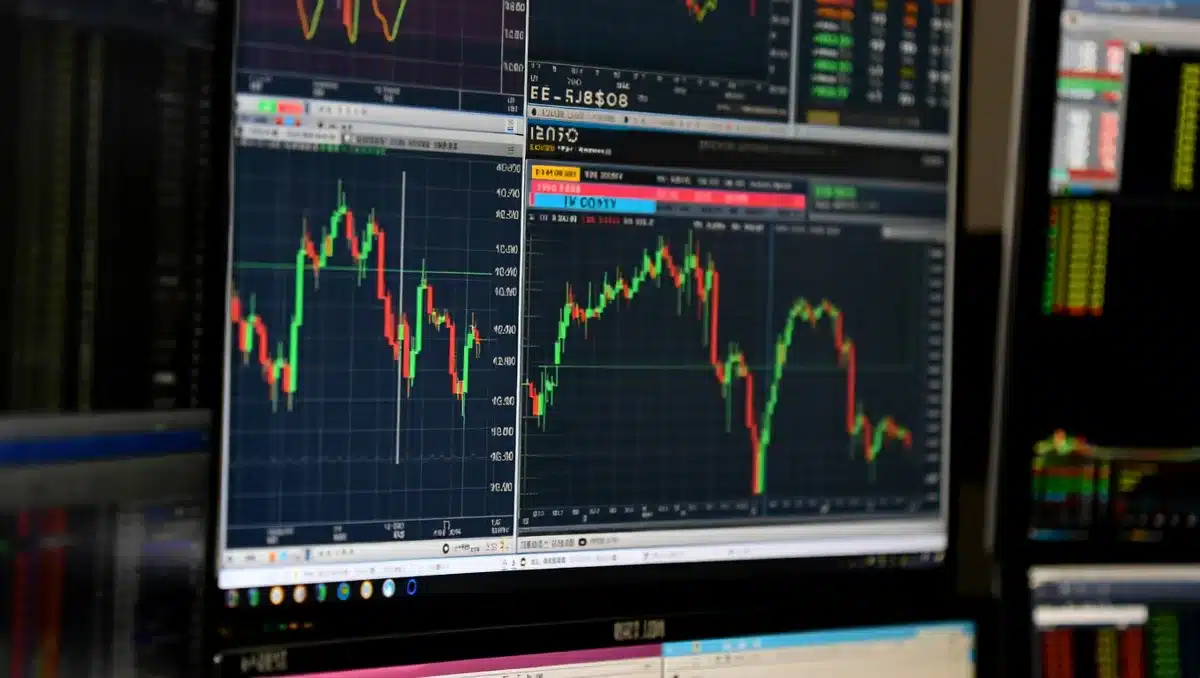
Japan and the United States confirmed on Monday that they jointly intervened in currency markets to halt the yen’s slide to a 40-year low, with the Japanese currency strengthening to around 156.51 against the dollar following the coordinated action. Japanese Finance Minister Satsuki Katayama announced the historic move, marking the first time Tokyo and Washington worked together to support the yen since 2011.
The intervention came after the yen had plummeted to 164 per dollar, its weakest level since 1986. Japan sold approximately ¥8.45 trillion (about $52.4 billion) to buy back its own currency, while the U.S. Treasury bought yen through the Federal Reserve Bank of New York using Goldman Sachs and Morgan Stanley as dealers. U.S. Treasury Secretary Scott Bessent was photographed with a notepad listing a task to purchase between $5 billion and $10 billion worth of yen.
The yen’s weakness stemmed largely from the carry trade, a strategy where investors borrow in low-interest-rate yen to invest in higher-yielding assets elsewhere. As long-term interest rates in Japan remained suppressed and the U.S. Federal Reserve held rates steady at 3.5 percent, the yen continued to weaken. Japan’s central bank kept its benchmark rate at 1 percent last week, widening the yield gap that fuels the carry trade and pressures the yen lower.
Katayama stressed that both governments are prepared to counter what they view as excessive declines in the Japanese currency. One official confirmed that the announcement would refer to “joint action” and said the operation remained ongoing. The move would counter speculative bets that have pressured the currency and aim to stabilize markets, according to reports.

The precedent for such coordinated intervention dates to 2011, when the Group of Seven nations jointly intervened to stabilize the yen after Japan’s Tohoku earthquake and tsunami. At that time, the yen had appreciated sharply as Japanese investors repatriated funds, and coordinated intervention by multiple G7 countries succeeded in temporarily stabilizing the currency. This 2026 action marks a different scenario—the U.S. and Japan are working together to weaken the dollar and strengthen the yen, rather than coordinating with a broader group of nations.
A stronger yen could weigh on Japanese exporters by reducing the domestic value of overseas earnings but would lower import costs and ease inflationary pressure from energy and raw materials. Japan has attempted six interventions to lift the value of its currency since 2022, though previous efforts mostly failed to block the yen’s gradual decline. The news of potential intervention helped boost the yen, with the currency jumping from 158.9 yen per dollar to 157.6 yen in late afternoon trading on Friday before the announcement.
The Bank of Japan also signaled a strong possibility of raising interest rates soon, a move that could narrow the yield gap between Japanese and U.S. assets and make the yen more attractive to investors. Japan’s Ministry of Finance posted on social media that monetary authorities have “a broad range of tools” to address market liquidity needs, including potential access to the Federal Reserve’s standing Foreign and International Monetary Authorities (FIMA) Repo Facility, which would allow Japan to raise dollar liquidity without outright sales of U.S. Treasuries.
The coordinated action signals that both governments view the yen’s weakness as a threat to financial stability. A deeper look at the coordinated intervention shows how both nations are aligned on currency markets. Further details on the Treasury’s notification to banks revealed advance preparation for the move. The intervention also comes as markets grapple with broader currency volatility, with the yen hitting a 6-week high earlier in late July before the recent slide resumed.
Sources
- Reuters — Confirmed joint US-Japan yen intervention, Treasury actions through Federal Reserve Bank of New York, and 2011 precedent
- Yahoo Finance / Investing.com — Details on Finance Minister Katayama’s announcement, Bank of Japan rate decision, and Treasury Secretary Bessent’s notepad
- The Telegraph — Specifics on yen purchasing amounts (¥8.45 trillion), currency levels (164 to 157), and first intervention since 2011
- NHK World — Information on yen jump to upper 157 range and estimated intervention totals
- Taipei Times — Confirmation of Japan’s ¥8.45 trillion (US$52.4 billion) spending on Thursday