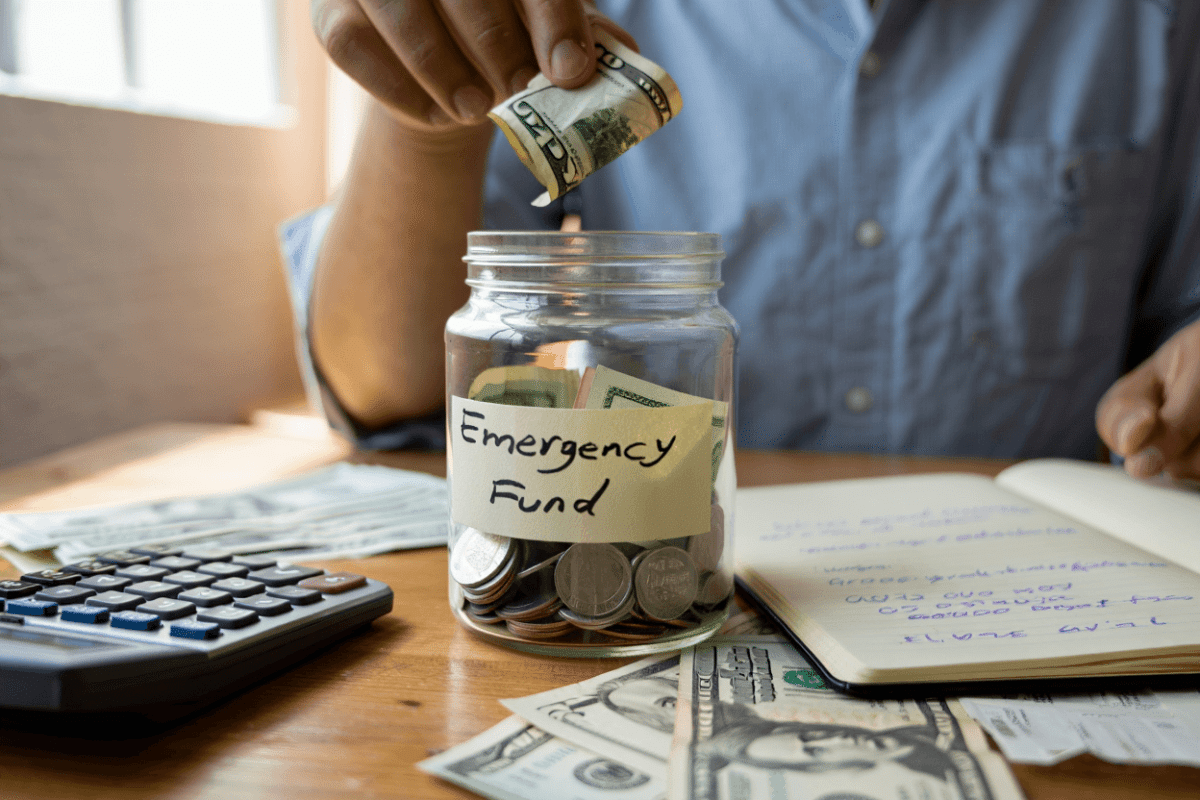
Saving money remains a top priority for Americans in 2026, with 29% of the population focused specifically on building emergency funds, according to a new Bankrate survey reported by LiveNOW from FOX.
The broader picture shows that 31% of Americans are trying to balance two competing goals: paying down credit card debt while simultaneously building emergency savings. Meanwhile, another 21% are prioritizing debt reduction alone, and 14% say neither goal is a priority.
The challenge is stark: despite these stated priorities, 58% of Americans report that their emergency savings have not increased over the past year. This includes 29% who say their emergency savings remained flat and another 29% who report their savings actually decreased compared to a year ago.
On a more positive note, 44% of Americans now have more money in emergency savings than they owe in credit card debt, marking meaningful progress for a substantial share of households. However, this also means 56% of Americans still carry more credit card debt than emergency cushion.
Financial experts emphasize the importance of focusing on one goal at a time. Stephen Kates, a financial analyst at Bankrate, noted that most households want to grow their savings but few are making meaningful progress. “Rather than trying to tackle everything at once, I recommend focusing on the single most important financial priority in 2026 and making consistent progress there first,” Kates said.
For those building emergency funds, high-yield savings accounts have become increasingly attractive. These accounts offer significantly higher interest rates than traditional savings accounts—with rates ranging from 3.85% to over 4.5% APY as of August 2026, according to multiple financial institutions. This allows emergency funds to earn meaningful returns while remaining accessible for unexpected expenses.
The importance of emergency funds extends beyond immediate peace of mind. A strong emergency fund can prevent high-interest credit card debt and protect retirement savings, according to financial experts. An emergency fund acts as a financial buffer that allows households to handle surprises without going into debt or resorting to credit cards.
Experts typically recommend maintaining emergency savings equal to three to six months of essential living expenses. For many Americans struggling with the rising cost of housing, groceries, and insurance, reaching that target remains a long-term goal rather than an immediate reality.
Sources
- LiveNOW from FOX — Reported on Bankrate survey findings about Americans’ financial priorities in 2026, including the 29% prioritizing emergency savings, 31% balancing debt and savings, and 58% seeing no increase in emergency funds.
- Bankrate — Conducted the Emergency Savings Report survey (in partnership with SSRS and YouGov) that provided data on Americans’ emergency savings goals and actual progress.
- U.S. News & Money — Provided expert guidance on emergency fund targets of three to six months of essential living expenses.
- CNBC — Confirmed high-yield savings accounts as the recommended vehicle for holding emergency funds.
- Herald Extra — Noted that strong emergency funds help prevent high-interest credit card debt and protect retirement savings.