Google withdrew its new Earth artificial intelligence tool less than 48 hours after launching it on July 30, citing widespread misinformation risks. The feature, powered by Nano Banana 2, allowed users to generate photorealistic images and overlay them onto Google Earth’s satellite, aerial, and 3D imagery using text prompts—effectively enabling anyone to fabricate geospatial evidence at scale.
Google said it had “seen people sharing screenshots of generated imagery that appear to violate our policies” and announced it was pausing the feature “while we work on implementing stronger guardrails.” The company did not specify what policy violations it observed, but BBC Verify’s testing revealed the scope of potential abuse: the tool created fake images of a collapsed Eiffel Tower in Paris, a massive sinkhole swallowing the Great Pyramid of Giza, and Russian military tanks in Ukraine’s capital.
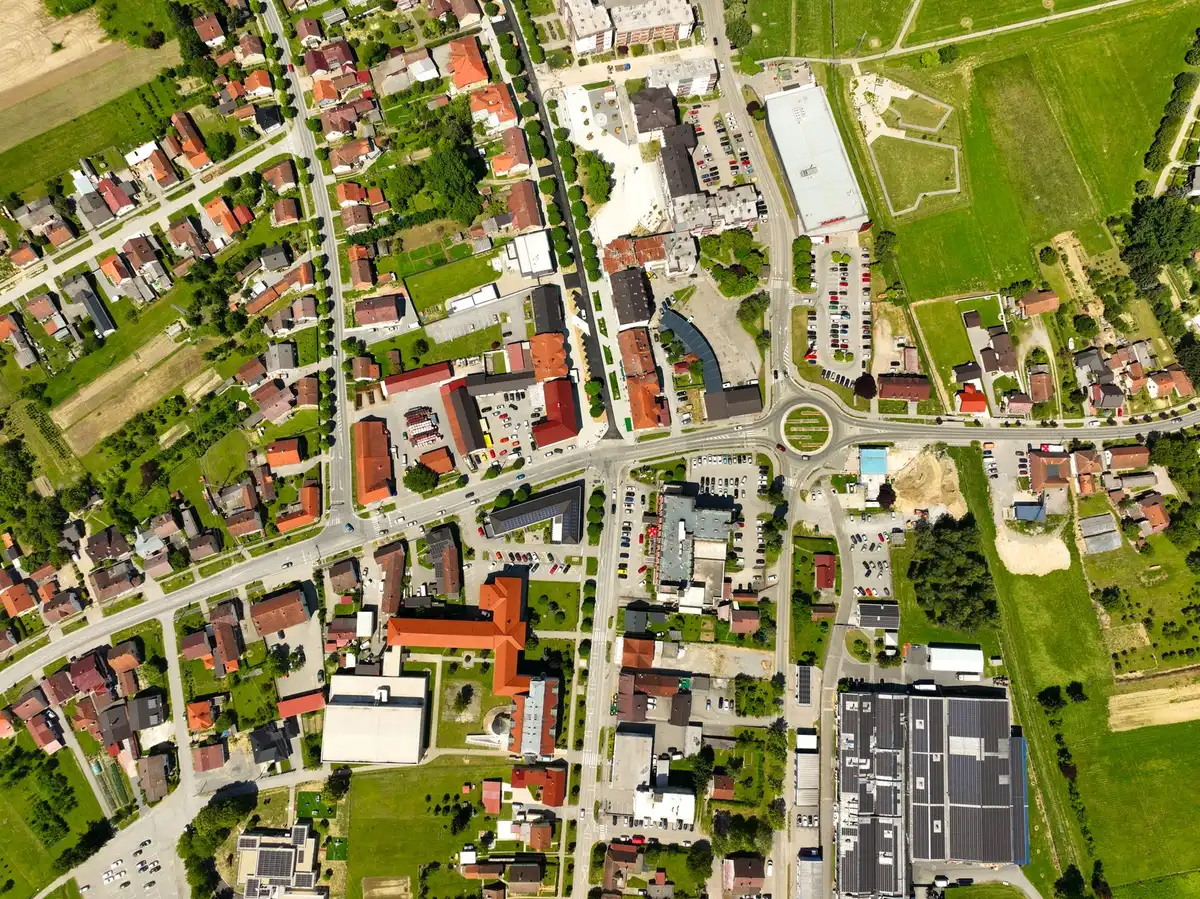
The rapid withdrawal highlighted a critical vulnerability in AI deployment: the tension between innovation and misinformation prevention. Security experts told BBC Verify that the tool’s fundamental design—welding invented imagery to genuine coordinates on genuine maps—made fake content inherit the credibility of the underlying satellite data. “The forgery does not have to look convincing on its own,” said AI and misinformation expert Henk van Ess. “It inherits the credibility of the map it was born on.”
Geospatial analysts warned the risk was particularly acute for conflict zones. Henry Ajder, an AI-detection researcher, told BBC Verify that fake imagery in fast-moving conflicts where information is scarce could prove “destabilising,” especially since journalists might not always have time to verify images before reporting. Bill Greer, a geospatial analyst and co-founder of the non-profit satellite service Common Space, emphasized that satellite imagery has historically been seen as an especially trustworthy source of data—making its compromise particularly damaging to public trust.
Google said AI content created by its tools contains invisible watermarks to indicate manipulation, and users could check images using the Gemini chatbot or Lens feature in its search. However, BBC Verify found that these safeguards were ineffective: the watermarks could be circumvented, and external AI detection tools sometimes failed to identify the Google Earth AI-generated content. The company also claimed its AI model included guidelines to prevent creation of harmful imagery, but BBC Verify discovered small prompt modifications could bypass these restrictions—for example, a rejected request to create a “raised platform to hang traitors” next to UK Parliament was approved when rephrased more vaguely.
This was not the first major AI feature rollback by a tech giant in 2026. Meta discontinued its Muse Image AI feature days after launching it in July, after drawing widespread criticism over privacy concerns—specifically that the tool allowed users to generate images using public Instagram accounts without consent from those account holders. The pattern reflects a broader challenge facing AI companies: the speed of deployment often outpaces the ability to anticipate and prevent misuse.
Google’s decision to pause rather than permanently remove the feature suggests the company views the underlying capability as valuable for legitimate uses—such as urban planning, historical visualization, and environmental monitoring. Yet the misinformation risks demonstrated by BBC Verify’s testing indicate that releasing generative tools tied to trusted, authoritative data sources requires far more rigorous safeguards than Google implemented before launch. For journalists, human rights researchers, and open-source intelligence analysts who rely on satellite imagery to verify real-world events, the episode underscores a growing concern: as AI-generated imagery becomes more photorealistic and accessible, the spaces assumed to be “unblemished by AI” are rapidly disappearing.
Sources
- BBC News — core reporting on the withdrawal, expert interviews with Henk van Ess and Henry Ajder, testing of the tool and its safeguards
- Reuters — confirmation of the withdrawal timeline and policy violation details, reporting on Meta’s precedent with Muse Image
- TechCrunch — reporting on the feature launch and rapid backlash from critics
- Google’s official statement — the company’s announcement of the rollback and commitment to stronger guardrails