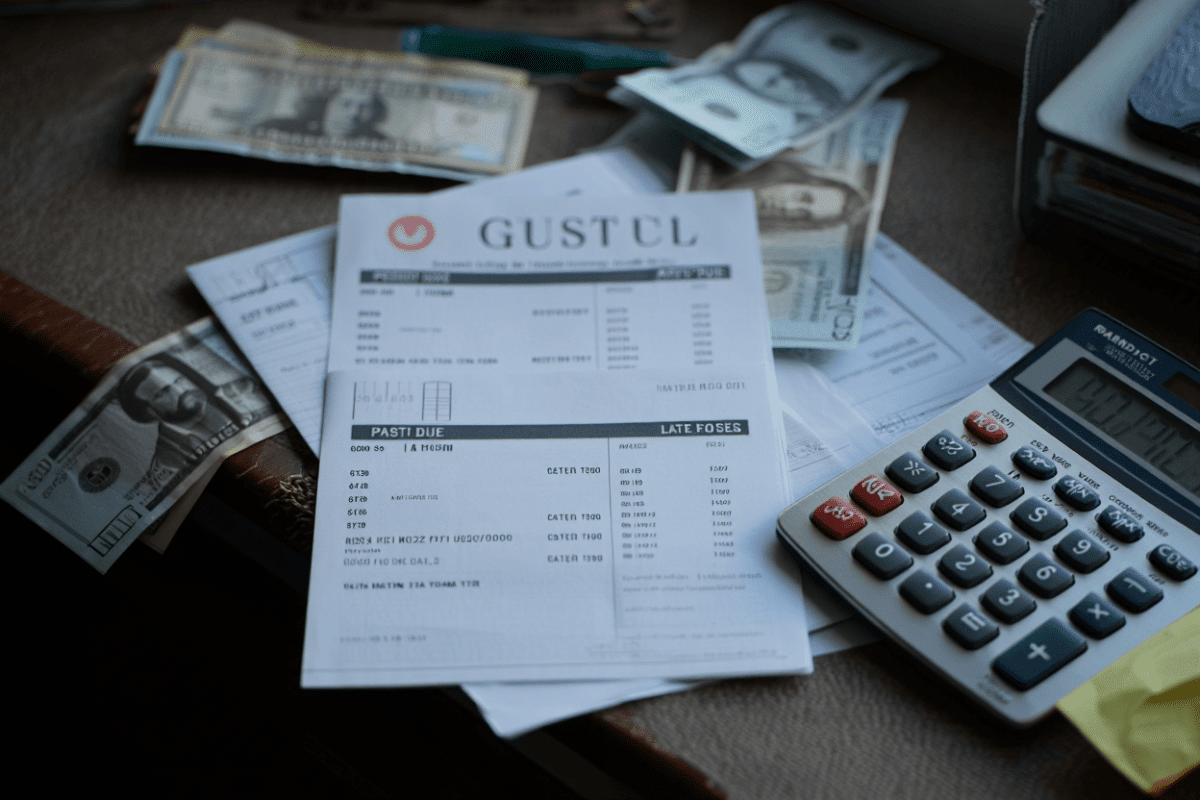
Credit card delinquencies in the United States have reached their highest level in 15 years, with 13.1% of credit card balances at least 90 days past due in the first quarter of 2026, according to the Federal Reserve Bank of New York. This milestone reflects mounting financial stress as Americans carry a combined $1.25 trillion in credit card debt.
The delinquency rate marks a significant shift in consumer borrowing patterns. According to the New York Fed’s Household Debt and Credit Report released in May 2026, the share of credit card balances in serious delinquency had not reached this level since the aftermath of the 2008 financial crisis, when delinquencies peaked during the Great Recession.
Elevated interest rates and persistent inflation are the primary drivers of the surge. Credit card interest rates have remained stubbornly high, averaging around 21% in early 2026, according to USA Today reporting on the credit crisis. This compounding cost makes it harder for consumers already strained by years of elevated inflation to manage their monthly payments. PNC Bank noted in a June 2026 analysis that “years of elevated inflation, higher interest rates, and repeated economic shocks have eroded household balance sheets and largely depleted post-pandemic savings.”
The current delinquency spike differs in important ways from the 2008 crisis. When the financial crisis hit in 2008, delinquency rates spiked sharply and remained volatile for months before peaking. Today’s rise has been more gradual, reflecting a slow erosion of household finances rather than a sudden shock. However, the 13.1% figure now matches levels not seen in the intervening 15 years, signaling genuine financial distress across a broad swath of the consumer base.
The New York Fed’s data shows that credit card balances fell by $25 billion in the first quarter of 2026, declining from $1.277 trillion in the final quarter of 2025 to $1.25 trillion. Despite this seasonal decrease, the underlying delinquency rate remained elevated, suggesting that consumers are struggling not just with total debt load but with the ability to stay current on their obligations.
Credit experts warn that the growing share of delinquent debt signals a pocket of genuine financial stress, particularly among subprime and middle-income borrowers who have felt the full weight of higher borrowing costs. The disconnect is notable: while major banks report relatively low delinquency rates on their portfolios, the broader market—including fintech lenders and alternative credit providers—shows the strain more acutely.
Sources
- Federal Reserve Bank of New York — Household Debt and Credit Report for Q1 2026, released May 12, 2026; reported 13.1% delinquency rate and $1.25 trillion total credit card debt
- CardRates.com — Confirmed 13.12% delinquency rate as highest in 15 years, with previous high during 2008 financial crisis
- USA Today — Reported card rates averaging 21% in February 2026 and context on delinquency trends
- PNC Bank — Economic analysis of delinquency drivers, citing inflation, interest rates, and household balance sheet erosion
- CNBC — Reported $1.25 trillion credit card debt figure from New York Fed data
- Fisher Investments — Confirmed 13.1% 90-day delinquency rate as 15-year high