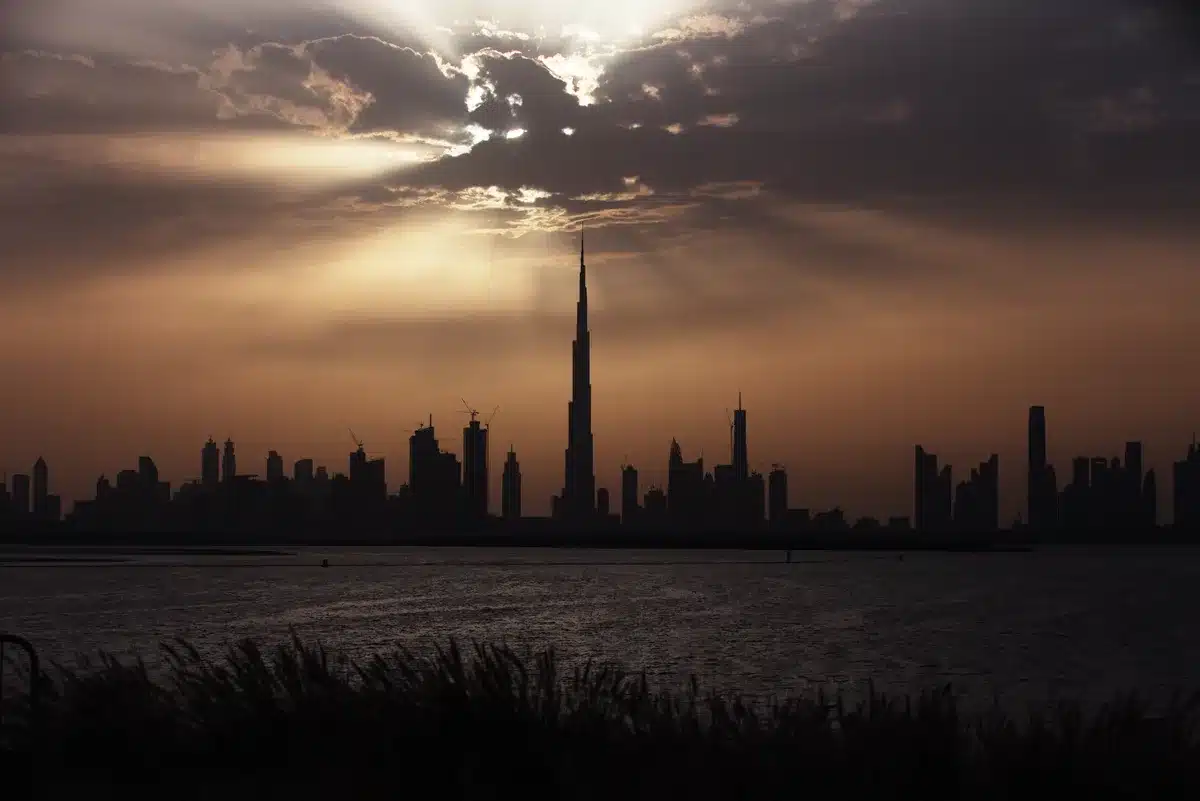
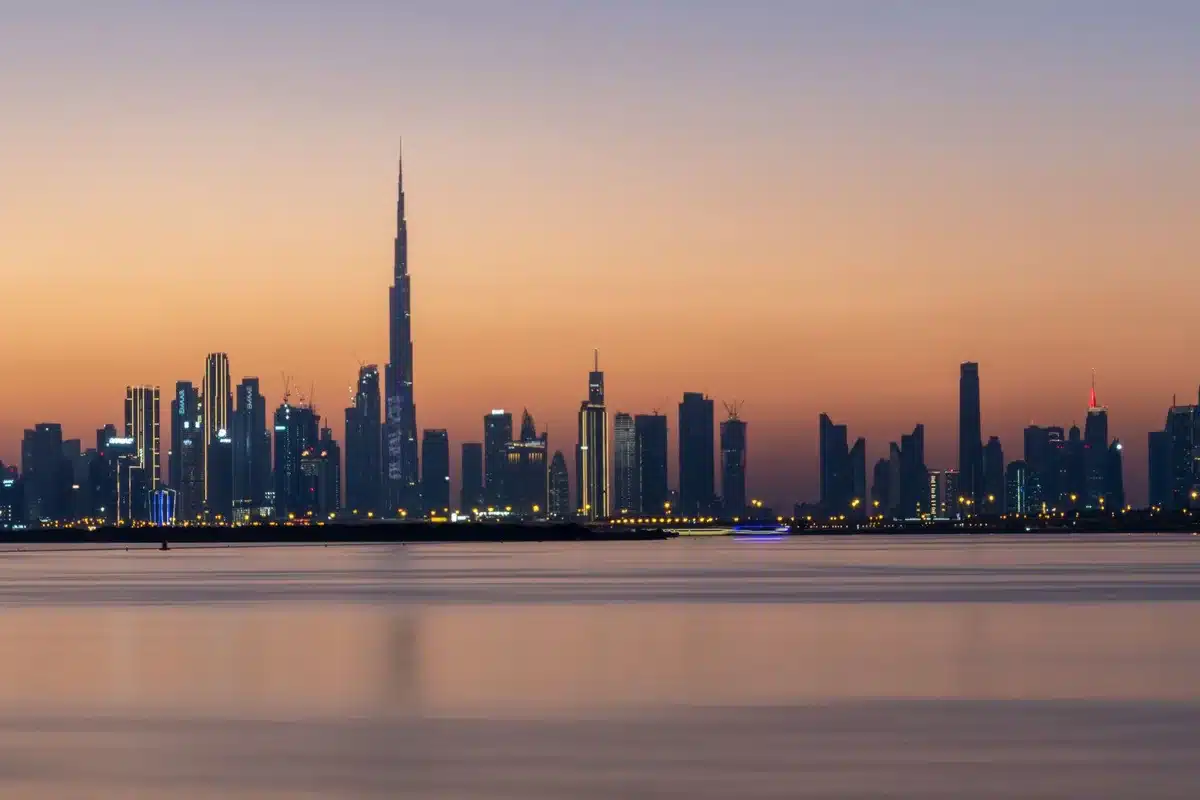
Dubai’s Burj Khalifa remains the world’s tallest building at 828 meters (2,717 feet), a distinction it has held since its completion in 2010. The tower surpasses the second-tallest structure by more than 150 meters, maintaining a commanding lead in the global skyline competition.
The Burj Khalifa was designed by Skidmore, Owings & Merrill, an architecture and engineering firm renowned for supertall building expertise. The structure’s distinctive Y-shaped floor plan was engineered to reduce wind forces on the tower, allowing it to achieve its extraordinary height while remaining structurally efficient. The building’s design combines cutting-edge technologies with cultural influences, making it not only a record-holder but an architectural landmark.
The Global Top Five
Kuala Lumpur’s Merdeka 118 ranks as the world’s second-tallest building at 678.9 meters (2,227 feet), standing as both Malaysia’s tallest structure and the highest in Southeast Asia. The tower features a multi-faceted diamond-shaped facade and a distinctive spire design. Its completion marked a significant milestone in Asian architecture, though it remains well below the Burj Khalifa’s height.
Shanghai Tower in China claims the third position at 632 meters (2,073 feet), standing as China’s tallest building with 128 stories. The tower incorporates a twisting design that creates a dynamic visual effect and helps manage wind loads on the structure. It represents the tallest building by usable floor height, with the highest occupied floor reaching 587.4 meters.
The Makkah Royal Clock Tower in Mecca, Saudi Arabia, stands 601 meters (1,972 feet) tall and ranks fourth globally. This structure holds the distinction of being the world’s tallest clock tower and features the world’s largest clock face. The tower is part of the larger Abraj Al-Bait complex adjacent to the Haram and serves as both a hotel and iconic landmark for pilgrims visiting the holy city.
Dominance Since 2009
The Burj Khalifa has maintained its position as the world’s tallest building for over 16 years. When it topped out in 2009, it surpassed Taipei 101, which had held the record since 2004. The tower’s height is more than twice that of the Empire State Building and nearly three times the height of the Eiffel Tower, illustrating the dramatic scale of modern supertall architecture.
The tower’s enduring record reflects both the engineering innovations that made its height possible and the challenges of surpassing it. While several supertall buildings have been completed since 2010, none have reached the Burj Khalifa’s elevation. This sustained achievement underscores the structural and technical accomplishments embedded in its design, which set new standards for tall building engineering that continue to influence skyscraper design globally.
Sources
- Britannica — confirmed Burj Khalifa as world’s tallest building at 828 meters, opened in 2010
- Guinness World Records — verified Burj Khalifa height at 828 meters (2,716 ft 6 in)
- Travel Pirates — confirmed Burj Khalifa remains tallest completed building at 828 meters as of 2026
- Indian Express — provided rankings of top three tallest buildings: Burj Khalifa (828m), Merdeka 118 (679m), Shanghai Tower (632m)
- Skyscraper Center — listed top four tallest buildings globally including Makkah Royal Clock Tower
- Wikipedia — confirmed Burj Khalifa designed by Skidmore, Owings & Merrill with height of 829.8 meters
- Arup — verified Merdeka 118 at 678.9 meters as second-tallest building in the world
- Global Tall Buildings Index 2026 — confirmed Burj Khalifa at 828 meters, completed in 2010