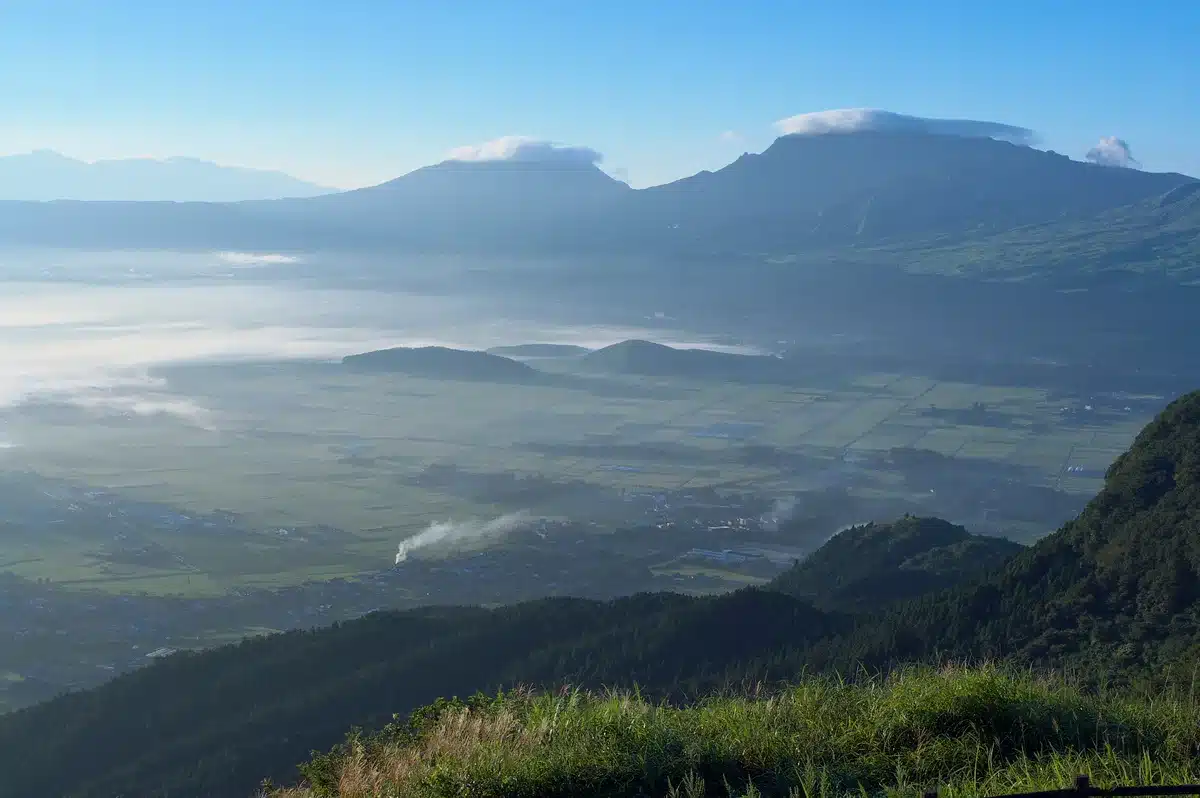
A 7.1-magnitude earthquake struck Japan’s Kumamoto prefecture on July 28, killing at least 25 people as survivors grapple with a severe water shortage amid punishing summer heat. The quake, which hit the island of Kyushu in southwestern Japan, toppled houses, split open streets, and triggered a gas explosion at a shopping mall, leaving many communities without running water or power two days after the disaster.
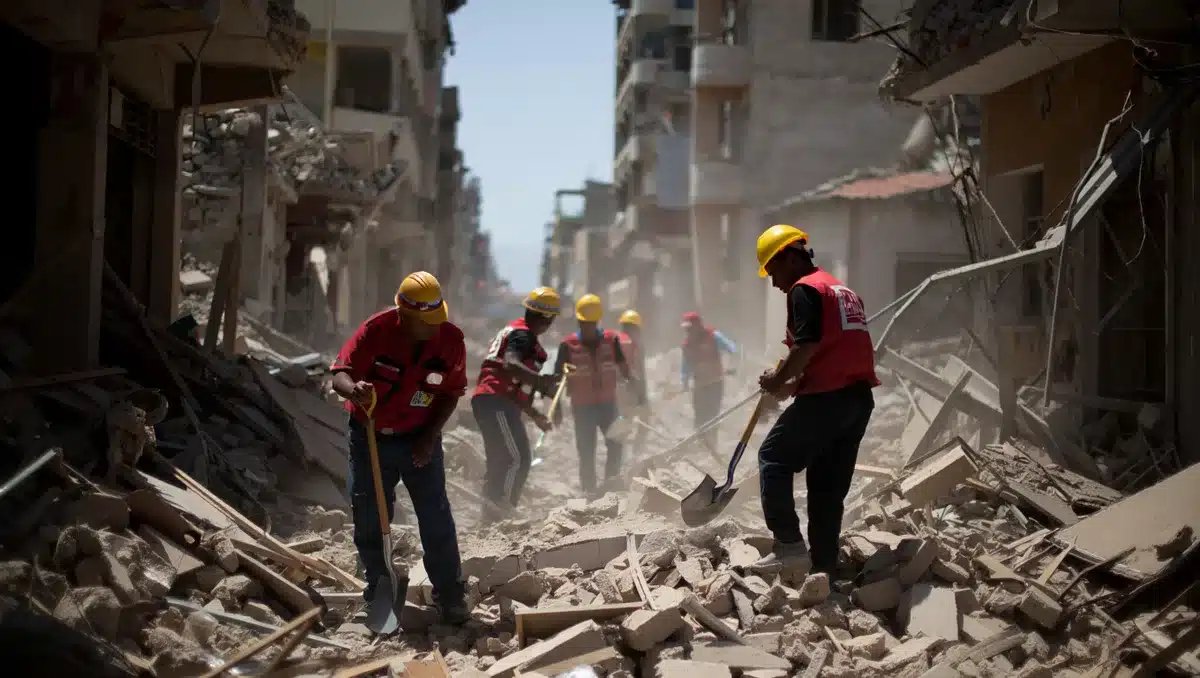
The death toll, confirmed at 25 by Kumamoto prefectural authorities, centers on two major sites: a collapsed paper mill operated by Nippon Paper Industries and an Aeon shopping mall in the town of Kashima where a gas explosion occurred after evacuation. Eight people died at the paper mill, and six died in the shopping mall collapse. Nine other deaths in the prefecture were still being investigated for links to the earthquake.
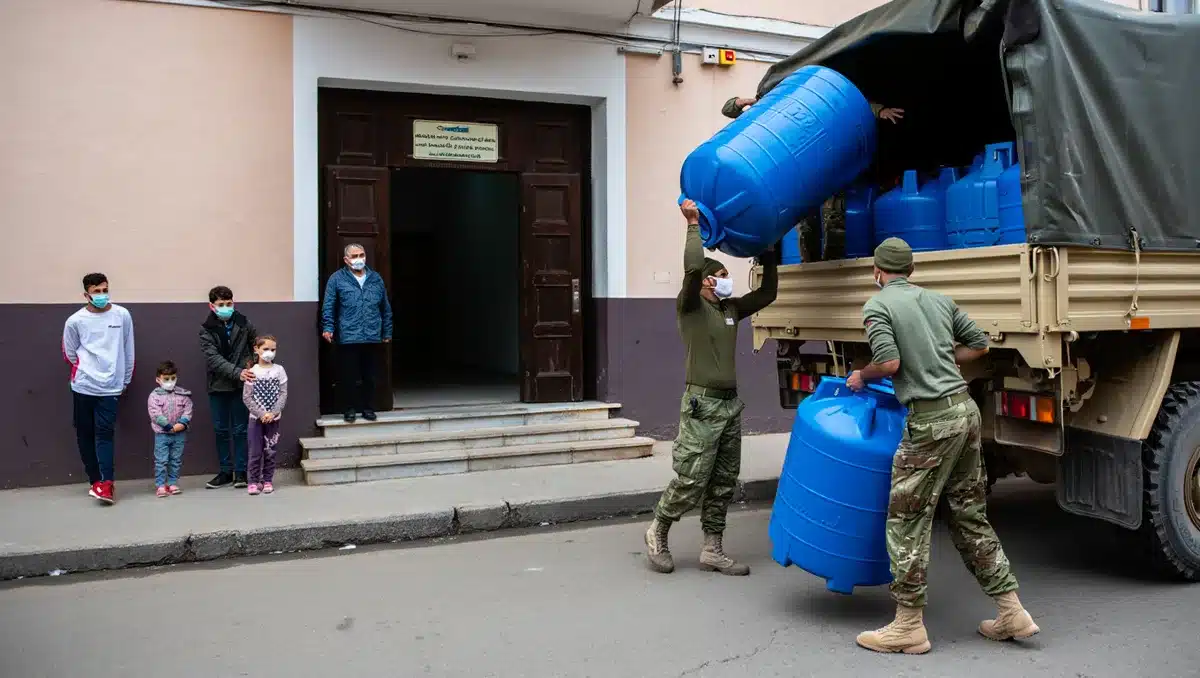
The immediate threat facing survivors is not just the physical destruction but the loss of basic utilities. Nearly 75,000 households in the region had no running water, and about 23,000 homes were without electricity, according to Kumamoto officials. Temperatures reached around 35 degrees Celsius (95 Fahrenheit) on Thursday, with forecasts warning of heat approaching 40 degrees Celsius by the weekend.
Akio Matsushita, a local official helping lead relief efforts in Yatsushiro, told Reuters he had no idea whether repairs to badly damaged water mains would take days, weeks, or months. “Because of the summer heat, the lack of water is especially difficult,” he said. The city hall’s toilets were out of order, forcing officials to erect emergency toilets over sewer manholes outside the building.
The Self-Defense Forces have deployed nearly 5,000 personnel to the region. In the immediate aftermath, SDF trucks towed water tanks to community centers and schools across Yatsushiro, limiting each resident to 5 liters per person. The military is also installing about 300 air-conditioning units at evacuation centers to combat the heat, and vessels are delivering water and food supplies to shelters. Kyushu Electric Power aims to restore power by Friday evening.
The earthquake registered the maximum level 7 on Japan’s seven-level shindo intensity scale. The national Geospatial Information Authority reported that parts of the ground shifted by 87 centimeters during the quake. A 5.8-magnitude aftershock overnight further hampered rescue efforts as teams searched collapsed buildings for survivors.
This disaster echoes a destructive precedent in the same region. Kumamoto was struck by two powerful earthquakes in April 2016 that killed 273 people and injured more than 2,800, according to The Guardian. Even with that history, residents reported the latest quake as the strongest they had experienced. Kanzo Matsumoto, a 73-year-old hot spring inn operator in Yatsushiro, told Agence France-Presse: “It was the strongest quake I have ever experienced.”
The earthquake has also disrupted Japan’s automotive and semiconductor industries, which are concentrated in Kyushu. Toyota paused operations at three plants to assess damage to suppliers and logistics, while Honda suspended operations at a motorcycle plant. Taiwan’s TSMC evacuated workers and briefly halted operations at its Kumamoto facility; Sony, Renesas Electronics, and Tokyo Electron also halted production. Analysts said the shutdowns appeared driven largely by precaution rather than direct facility damage, though Kyushu’s industrial output in these sectors accounts for about 20 percent of the region’s total.
About 15,000 people have been evacuated to 400 shelters across Kumamoto. Defense Minister Shinjiro Koizumi said the SDF was prioritizing the delivery of life-saving supplies, with water at the top of the list. As rescue and relief efforts continue, authorities are warning residents of the risk of heat stroke in the days ahead.
Sources
- Reuters — death toll of 25, water shortage affecting 75,000 households, local official commentary on water main repairs, SDF water distribution efforts
- The Guardian — death toll of 30 (with 9 under investigation), electricity and water outages, aftershock details, 2016 Kumamoto earthquake precedent (273 deaths), heat warnings, manufacturing shutdowns
- Wikipedia (2026 Kumamoto earthquake entry) — death toll and injury count confirmation