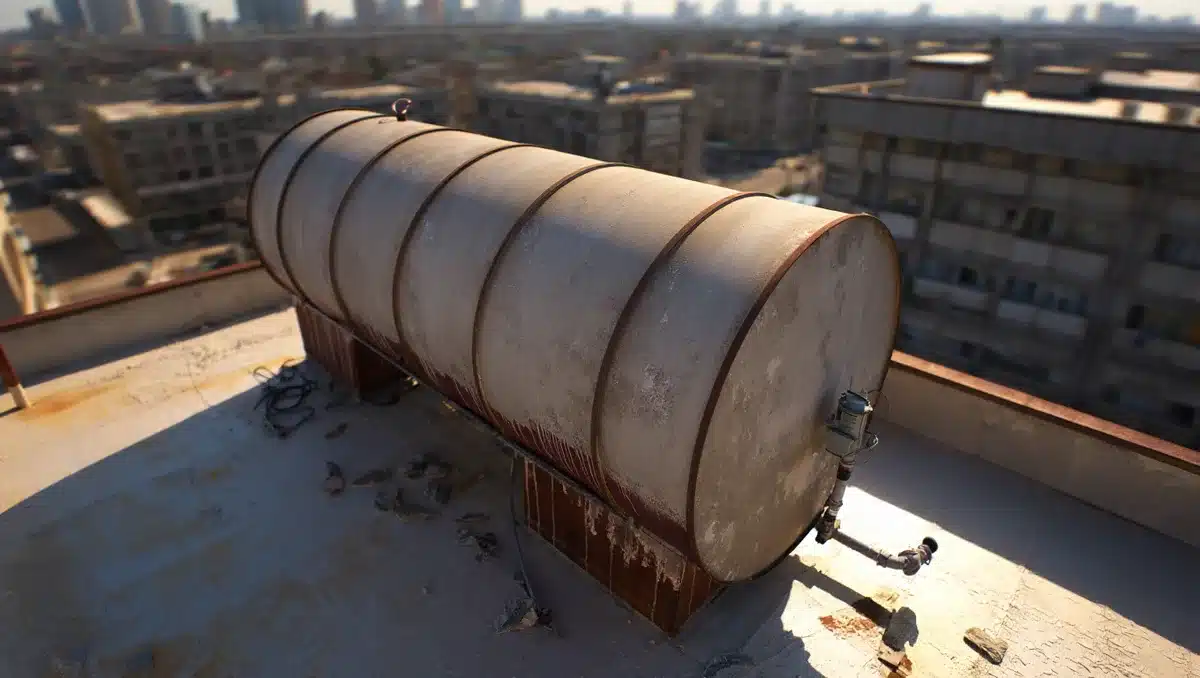
Puerto Rico residents have endured more than two months without reliable running water, a crisis triggered by three major ruptures detected in the island’s 72-inch Superaqueduct pipeline on June 10, 2026, and compounded by decades of aging infrastructure and worsening drought conditions.
The water shortages have devastated daily life across the territory. A San Juan restaurant owner told The Guardian he spends about $300 to refill a 1,000-gallon cistern every two days, totaling roughly $600 per day just to keep his businesses operating. Coffee shop owners in the same neighborhood estimate they spend about $300 daily on water, in addition to increased costs for disposable items.
For residents without the means to install cisterns—a costly investment out of reach for many on an island where more than 40 percent live below the poverty line—the burden is especially severe. Marta Acevedo, 75, who has lived in her San Juan apartment building for 44 years, said the current crisis represents the longest stretch without reliable running water she has experienced, surpassing even the disruption caused by Hurricane María in 2017.
The immediate trigger was the rupture in the Superaqueduct, a critical pipeline in Bayamón that supplies water to San Juan and surrounding municipalities. However, the underlying cause runs much deeper. According to Puerto Rico’s water agency, more than 50 percent of the island’s drinking water supply has been lost over the past 19 years due to leaks, breaks, and spills in the aging system. In a 2019 report card, the American Society of Civil Engineers gave Puerto Rico’s drinking water infrastructure a D grade, estimating the territory needs $3.9 billion in improvements to modernize its public utilities.
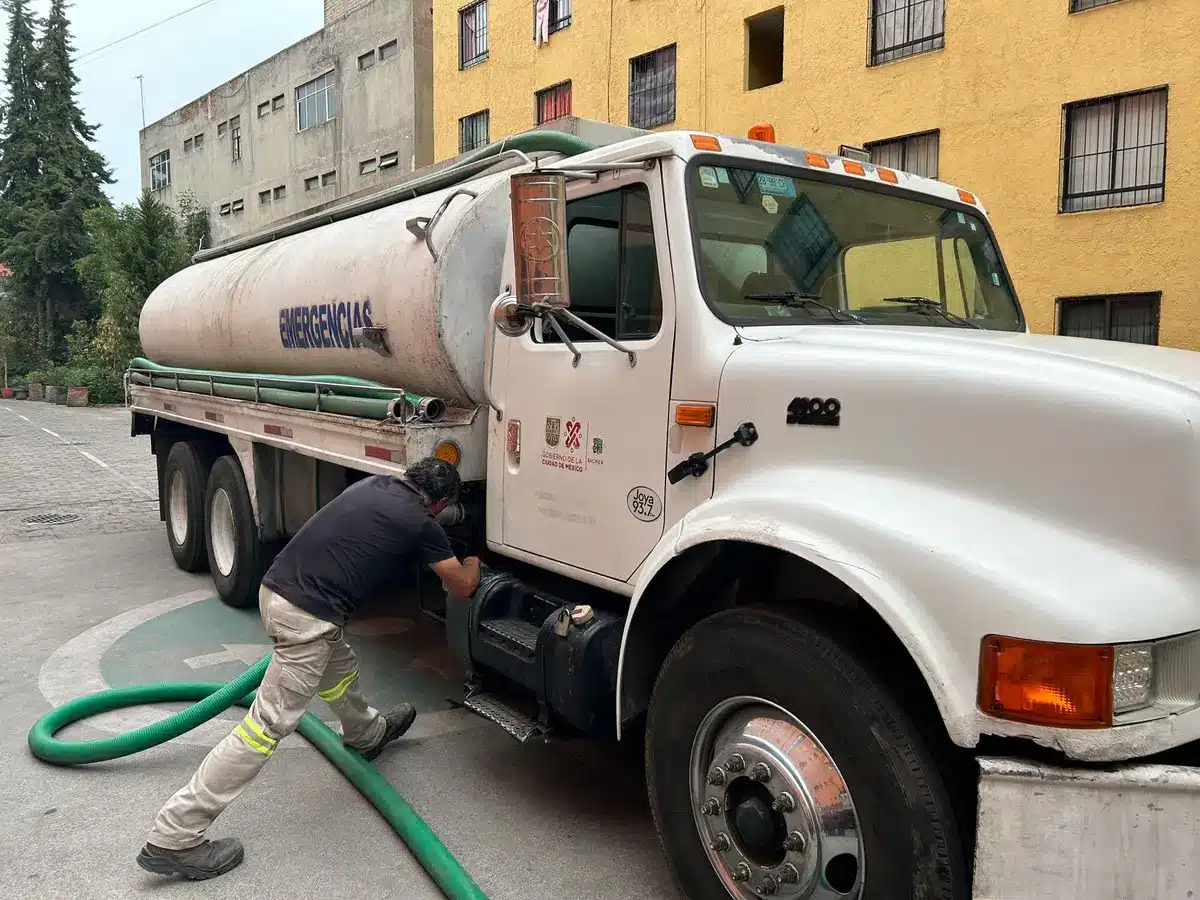
Governor Jenniffer González Colón activated the National Guard in June to distribute drinking water across the island, deploying water tanker trucks to densely populated areas. Despite these emergency measures, many Puerto Ricans say they have reached a breaking point. A psychologist living in San Juan told NPR that he has not had water for nearly two months and is experiencing depression and anxiety, adding that even as a joke, neighbors suggest checking into psychiatric hospitals because “at least I’ll have water and electricity.”
The crisis has unfolded against a backdrop of worsening drought. According to the U.S. Drought Monitor, as of mid-July 2026, 14 percent of Puerto Rico is under severe drought and 59 percent under moderate drought. This mirrors a comparable precedent: the extreme drought of 2014–2016 required the implementation of severe water restrictions across the island, resulting in water rationing for 1.2 million residents, according to the U.S. Geological Survey.
San Juan’s mayor, Miguel Romero, sued Puerto Rico’s Aqueducts and Sewer Authority in late May over the outages, signaling growing official frustration with the utility’s response. The governor said repairs to the major pipeline crack were completed by mid-June, but residents remain skeptical. One San Juan resident reported that as repairs progressed, crews discovered additional leaks they said they could not fix without halting other repairs, suggesting the problem extends far beyond the initial rupture.
Sources
- The Guardian — Reporting on water shortages, business costs, and resident experiences in San Juan as of July 13, 2026.
- Circle of Blue — Documentation of the two-month water shortage, infrastructure report card findings, drought severity, and emergency response as of July 14, 2026.
- NPR — Interview with San Juan resident on mental health impacts and water shortage duration as of June 16, 2026.
- ABC News — Report on emergency water rationing announcement and U.S. Drought Monitor data as of July 15, 2026.
- Yahoo News / CT Public — Reporting on the three major ruptures in the 72-inch pipeline detected on June 10, 2026.
- U.S. Geological Survey — Historical data on the 2014–2016 drought and water rationing precedent.
- U.S. Drought Monitor — Current drought severity assessment for Puerto Rico.