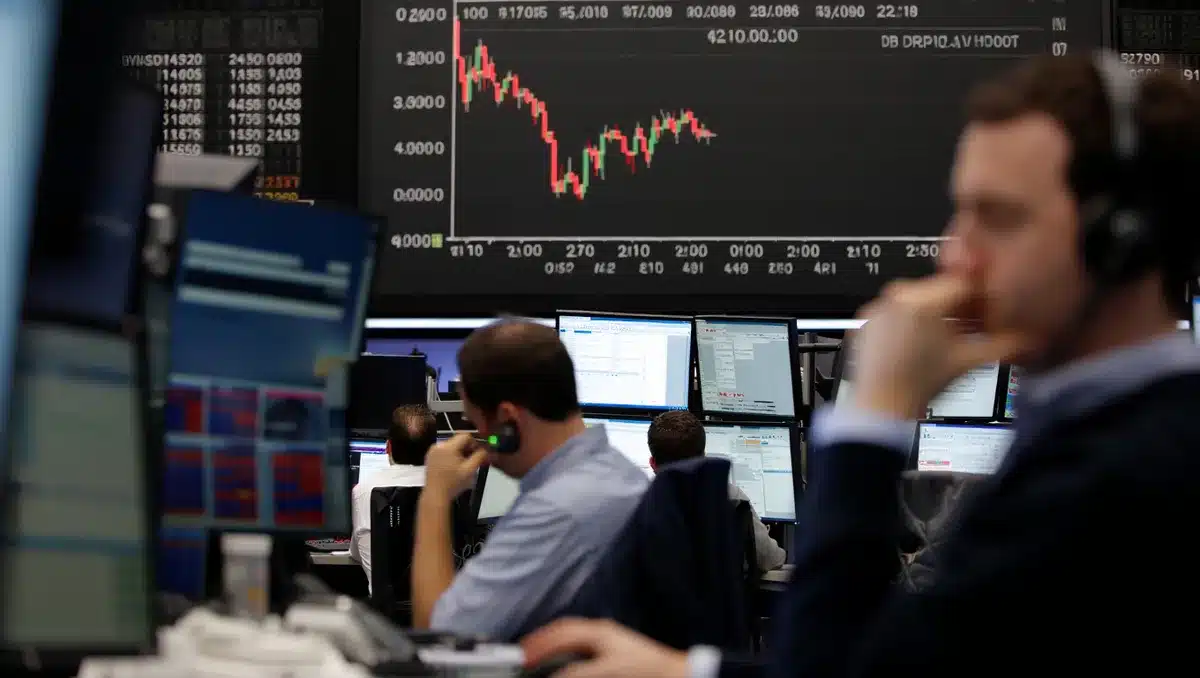
The stock market fell sharply on July 29 after the Federal Reserve held interest rates steady at 3.5% to 3.75%, with the Nasdaq Composite entering correction territory as investors grew concerned about the central bank’s hawkish stance on inflation.
The Nasdaq fell 1.74% to close at 24,442.94, putting the index in correction territory—a decline of 10% or more from a recent high. The S&P 500 declined 1.52% to 7,316.15, while broader market weakness rippled through equities as traders absorbed the Fed’s messaging.

The Federal Reserve’s decision was divided, with the committee voting 9-3 to hold rates steady. Three regional presidents voted in favor of a quarter-percentage-point increase, signaling disagreement within the central bank about the path forward, according to CNBC.
Chair Kevin Warsh and the Fed described the decision as a “hawkish hold,” emphasizing the central bank’s commitment to fighting inflation rather than signaling near-term rate cuts. Inflation remains elevated relative to the Fed’s 2% target, and Fed officials have pointed to supply shocks and persistent price pressures as reasons to maintain a firm stance, according to Fed minutes and Reuters reporting.
The market’s reaction reflected investor anxiety about what comes next. The Wall Street Journal reported that stocks fell sharply as investors grew nervous about whether the Federal Reserve’s next steps will be sufficient to tame stubborn inflation. With the Fed signaling it will hold rates at elevated levels to combat price pressures, bond markets and equities faced pressure from expectations of prolonged higher borrowing costs.
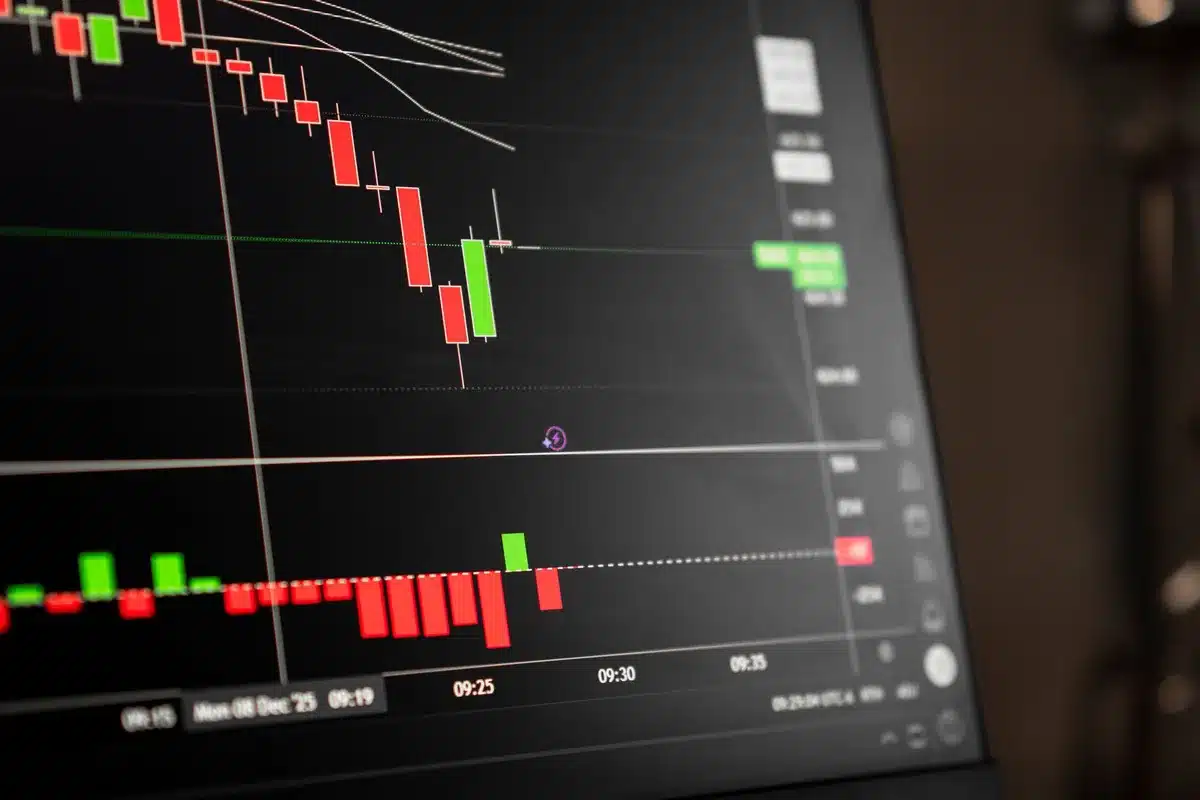
A market correction—defined as a 10% decline from a recent high—typically reflects investor concern about economic conditions or policy uncertainty. According to Invesco, the average recovery time from a 5% to 10% downturn is three months, while a 10% to 20% correction takes an average of eight months to recover, though individual corrections vary widely in duration.
The Nasdaq’s entry into correction territory follows weeks of volatility driven by chip stock weakness and broader concerns about inflation. The index had been under pressure since mid-July, with technology stocks—which dominate the Nasdaq—particularly sensitive to expectations of sustained higher interest rates.
Sources
- Reuters — Fed rate decision, market reaction, and 9-3 vote breakdown
- CNBC — Divided Fed vote and hawkish hold characterization
- Wall Street Journal — Investor concern about Fed’s inflation-fighting commitment
- Federal Reserve — Inflation remains elevated relative to 2% target; supply shocks cited
- Invesco — Historical correction recovery timelines (3 months for 5%-10%, 8 months for 10%-20%)
- U.S. Bank — Definition of market correction as 10% decline from recent high