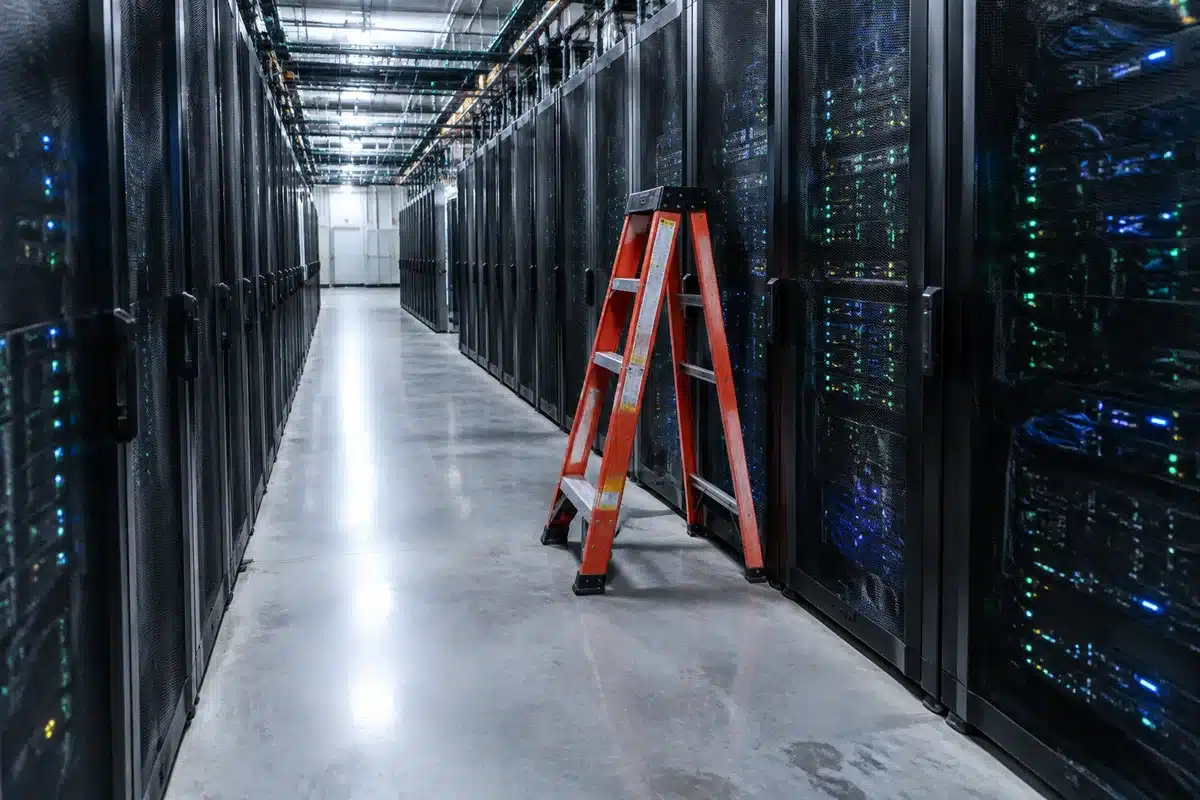
Investment trends for 2026 center on AI infrastructure and energy demand, with tech giants and financial institutions pouring record capital into data centers and power systems to support artificial intelligence expansion. Goldman Sachs Research forecasts $765 billion in annual AI capital expenditures in 2026 alone, climbing to $1.6 trillion by 2031, underscoring the scale of the infrastructure sprint.
The energy constraint has become the defining bottleneck. Gartner reports that worldwide data center power demand is expected to rise 27% in 2026 and reach 132 gigawatts, up from 104 gigawatts in 2025. In the United States, the pressure is even sharper: Goldman Sachs estimates U.S. data center power demand will climb from 31 gigawatts in 2025 to 41 gigawatts in 2026 and 66 gigawatts the year after, reflecting the rapid acceleration of AI workloads.
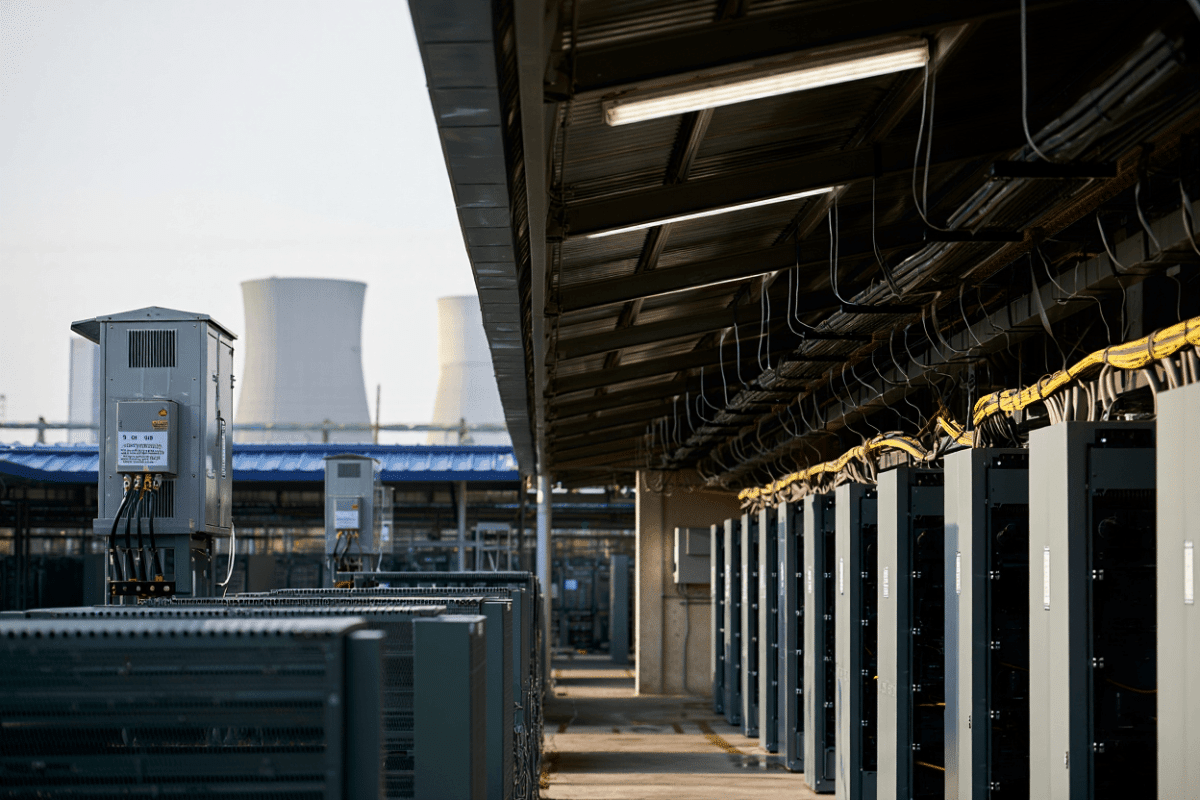
Deloitte estimates that power demand from AI data centers in the United States could grow more than thirtyfold, reaching 123 gigawatts by the end of the decade, up from current levels. This explosive growth is driving investment not just in chips and servers, but in electrical infrastructure, transformers, grid connections, and on-site power generation—the unglamorous but critical foundation of the AI buildout.
Capital spending by AI data center operators is climbing steeply. AI data center spending is projected to exceed $600 billion in 2026, consuming 70% of global memory chip production and creating component shortages across the semiconductor supply chain. Morgan Stanley Research estimates that nearly $3 trillion of AI-related infrastructure investment will flow through the global economy by 2028, spanning not only compute hardware but also renewable energy, power distribution, and cooling systems.
The investment wave reflects a shift in investor focus. Prior to 2026, the conversation centered on AI model development and software capability. Now, the bottleneck has moved to the physical infrastructure required to train and run those models at scale. Power availability and grid capacity have become the limiting factors, not chip availability or algorithmic innovation. This reorientation is driving capital into energy companies, electrical equipment manufacturers, data center real estate operators, and renewable energy developers alongside the traditional semiconductor and cloud infrastructure players.
Investors cite the tax advantages of infrastructure spending as a key driver. Accelerated depreciation rules allow taxable investors to depreciate 100% of capital expenditures on data center infrastructure immediately, creating powerful incentives for institutional capital to flow into these assets. This has attracted not only tech companies but also private equity, infrastructure funds, and sovereign wealth funds seeking long-term, inflation-hedged returns.
Sources
- Goldman Sachs — AI CapEx forecasts and U.S. data center power demand projections through 2027
- Gartner — Worldwide data center electricity demand growth forecast for 2026
- Deloitte — U.S. AI data center power demand growth estimates to 123 gigawatts
- Morgan Stanley Research — $3 trillion AI infrastructure investment forecast through 2028
- Accuris Tech — AI data center spending and memory chip consumption data for 2026