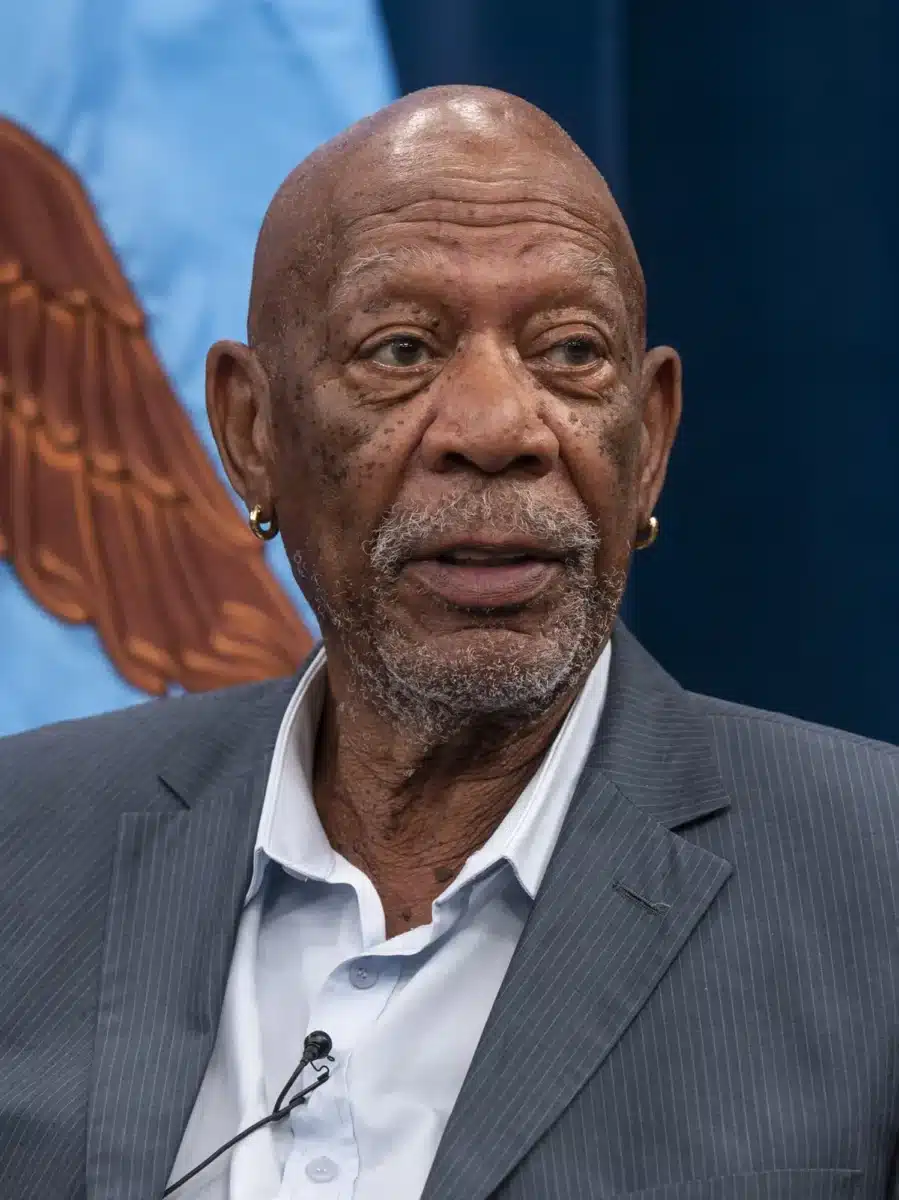
Former FBI Director James Comey filed a motion to dismiss his federal indictment on July 27, arguing that prosecutors selectively targeted him for exercising protected First Amendment speech and that his seashells Instagram post does not constitute a criminal threat against President Trump.
Comey’s attorneys filed a combined memorandum seeking dismissal on multiple grounds, including selective and vindictive prosecution claims. The motion argues that the two-count indictment, returned in April 2026, “targets protected speech at the heart of the First Amendment” and was brought solely to punish Comey for his political opposition to the president.
The charges stem from a May 2025 Instagram post showing seashells arranged in the sand to spell “86 47,” which the government contends constitutes a threat to kill or harm Trump. Comey deleted the image the same day and said he was unaware the numbers carried violent connotations, stating he “oppose[s] violence of any kind.” His attorneys argue that “86” simply means “to get rid of” or “eject” and has no inherent violent meaning.
In their motion, Comey’s lawyers contend the post cannot meet the legal definition of a “true threat” under First Amendment doctrine. The Supreme Court has established a high bar for what constitutes a true threat—a category of speech that does not receive constitutional protection. Prosecutors must show evidence that Comey himself intended to engage in a violent act, but the indictment provides no such evidence, his defense argues.
Comey’s attorneys emphasized that thousands of items bearing the “86 47” slogan have been sold online and the phrase was commonly displayed at protests before his post. They also pointed to statements by President Trump that they argue go far further in potentially inciting violence, including Trump’s claim that lawmakers who posted a video urging military disobedience amounted to “treason” punishable by death.
“Forcing Mr. Comey to stand trial for a statement opposing the President—even if he is ultimately acquitted—would itself be an unconstitutional punishment of free speech,” his lawyers wrote. “And it would invite future prosecutions by the Executive Branch against perceived political enemies for their opposition to the President.”
Legal experts have broadly criticized the indictment on First Amendment grounds. In May 2026, eight constitutional law experts interviewed by the Washington Post said the indictment fails to provide evidence that Comey intended his post as a threat. Multiple outlets covering the case have reported that legal scholars question whether the prosecution can overcome the First Amendment hurdle, citing the high bar established by Supreme Court precedent for what qualifies as a true threat.

A Pattern of Dismissals
Comey’s selective prosecution claim gains weight from a prior case. In September 2025, interim U.S. Attorney Lindsey Halligan brought a separate indictment against Comey in the Eastern District of Virginia, accusing him of lying to Congress about leaks to the press. That case was dismissed in November 2025 when Senior U.S. District Judge Cameron Currie ruled that Halligan had been unlawfully appointed and therefore lacked authority to bring the charges.
Comey’s legal team filed a selective and vindictive prosecution motion in that Virginia case as well. The dismissal on appointment grounds came before the judge ruled on the merits of Comey’s prosecutorial misconduct claims, but it demonstrated a vulnerability in the government’s case-building process. The Justice Department has appealed the Virginia dismissal.
Comey’s attorneys argue that the pattern—two separate indictments brought under questionable authority, both targeting the former FBI director for his public opposition to Trump—supports their claim that the current North Carolina prosecution is retaliatory rather than based on the merits. To prove selective prosecution, a defendant must show that prosecutorial policy had both a discriminatory purpose and effect, and that similarly situated individuals were not prosecuted, according to legal standards cited by the Congressional Research Service.
Comey is set to be arraigned on September 30 in New Bern, North Carolina, with trial scheduled to begin October 21 if the case proceeds. He has proclaimed his innocence and is expected to file additional motions seeking dismissal on various grounds before trial.
Sources
- ABC News — Comey’s motion to dismiss, filed July 27, 2026, arguing First Amendment protection and selective prosecution
- CBS News — Details of the motion and Comey’s arguments regarding true threat doctrine and political speech protection
- Raleigh News & Observer — Comey’s request for a combined memorandum, selective and vindictive prosecution standards, and background on the North Carolina indictment
- Washington Post — Eight legal experts’ analysis of the indictment’s First Amendment vulnerabilities
- Politico — Judge Cameron Currie’s dismissal of the Virginia indictment and Lindsey Halligan’s unlawful appointment
- NBC News — Comey’s arraignment and trial schedule
- Congressional Research Service — Legal standards for proving selective prosecution claims