Saving money starts with two foundational practices: tracking where your money goes and automating transfers so savings happen without effort. Together, these strategies remove the willpower required to build wealth and let your financial goals advance steadily in the background.
Automated transfers move money to savings before you have a chance to spend it, reducing impulse purchases or requiring superhuman willpower, according to Fidelity Bank. When funds sit in a checking account, they feel available to spend—a new gadget or dinner out becomes tempting when the money is right there. Automation solves this by moving money out of sight before temptation strikes.
The power of automation lies in consistency, not size. Regular small transfers often outperform larger, irregular contributions because compound interest rewards frequency over amount. Fidelity Bank notes that you don’t need to save hundreds of dollars per month to see real results; consistency is more important than the amount. Think of it as the financial equivalent of taking the stairs every day instead of occasionally running a marathon.
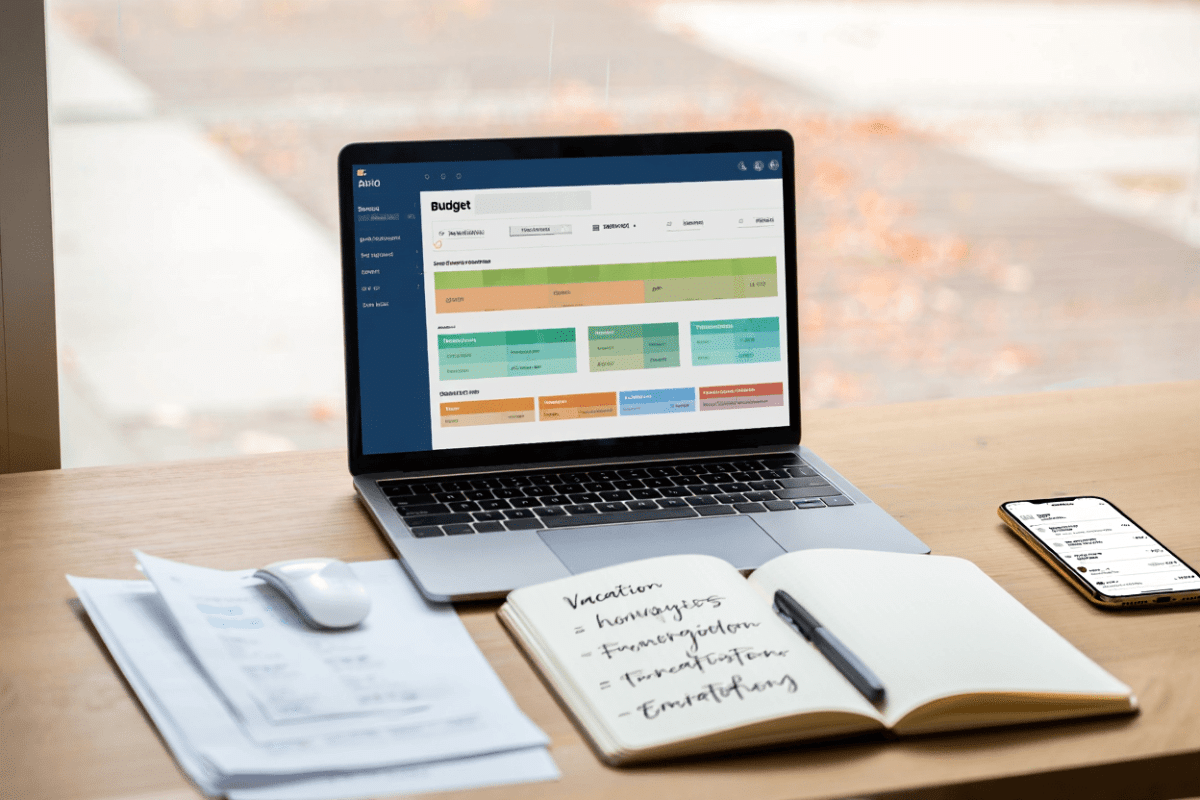
Tracking spending reveals where your money actually goes—a necessary first step before automating anything. Budgeting apps with automatic bank connections offer the most efficient approach. According to Associated Bank, the best method uses budgeting apps with automatic bank connections: they categorize expenses, send spending alerts, and require zero manual entry. Apps like YNAB, Copilot, and Monarch connect directly to your bank account so transactions get categorized automatically, turning expense tracking from a chore into a passive process.
Once you understand your spending patterns, set up automated transfers that reflect your priorities. Mercury, a personal finance platform, recommends designing your automation around a simple financial flowchart: inflows (where money comes from), fixed expenses (rent, insurance, subscriptions), savings and obligations (emergency funds, taxes, goals), and flexible spending (everything else). Automatically moving a percentage of income into separate buckets for taxes, savings, or upcoming expenses reduces the temptation to overspend and removes guesswork.
Automated savings also builds an emergency fund gradually and painlessly, according to Fidelity Bank. Instead of scrambling when a crisis hits—a car repair, medical bill, or job change—you’ll have a financial buffer to protect you from debt and stress. The knowledge that your savings is steadily growing reduces financial anxiety and provides peace of mind.
The setup requires just a few intentional hours. Most banks offer free automated transfer features; budgeting apps typically cost $5–15 per month. Once in place, your system handles the predictable parts of your financial life automatically, freeing you to focus on decisions that actually move your life forward. The result is a financial life that feels less reactive and more aligned with your goals.
Sources
- Fidelity Bank — explained eight reasons automated savings work, including how transfers prevent impulse spending and why consistency matters more than amount
- Associated Bank — described how budgeting apps with automatic bank connections categorize expenses with zero manual work
- Mercury — detailed how to structure personal finance automation using scheduled transfers and separate accounts for different financial goals