AMD stock fell 6.7% on July 27, 2026, in a sell-the-news reaction that followed the company’s Advancing AI 2026 event, where it unveiled the Helios platform, a rack-scale AI infrastructure system designed to compete with Nvidia’s latest offerings.
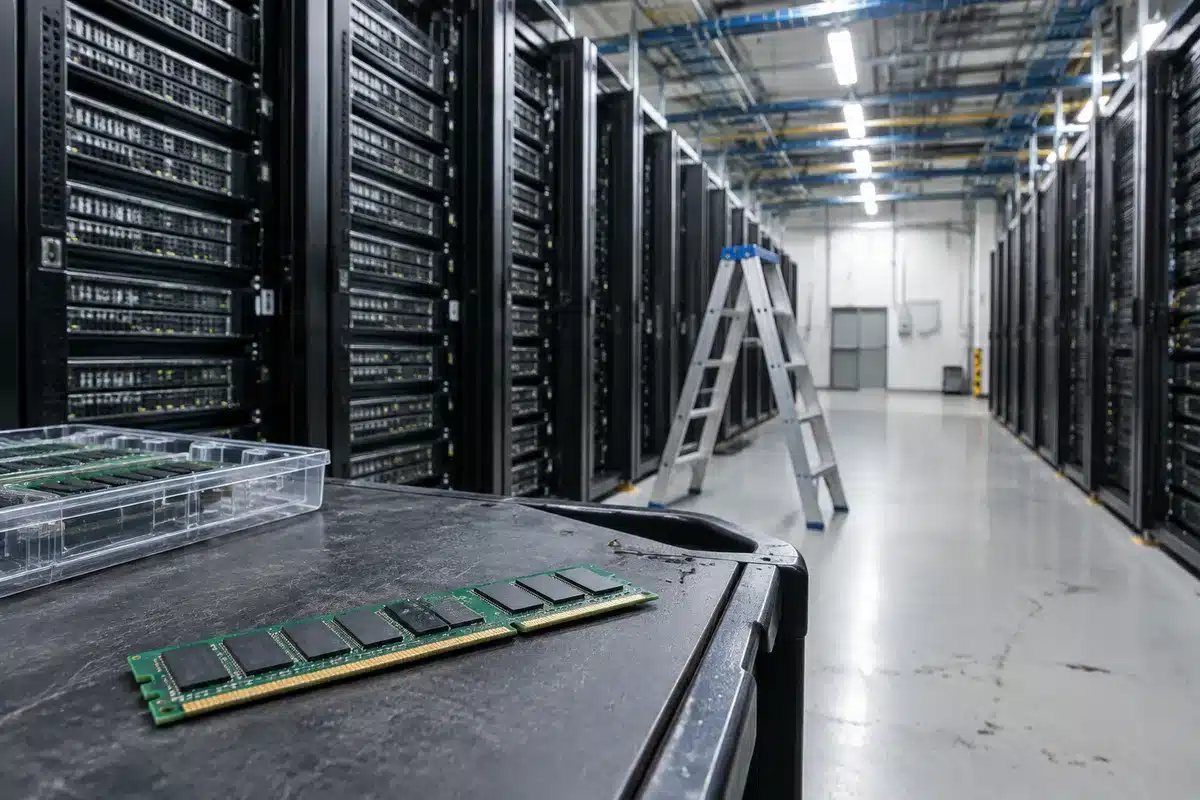
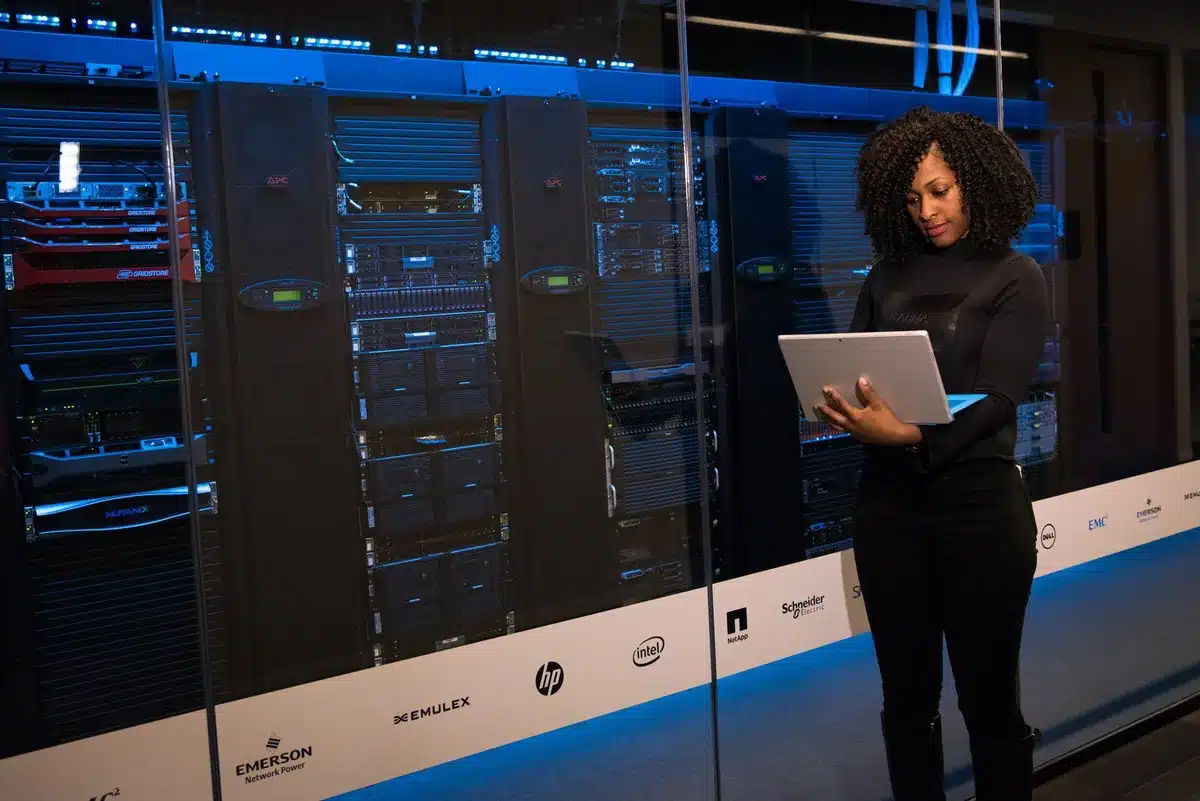
At the July 22-23 event in San Francisco, AMD introduced Helios as its flagship AI infrastructure solution, combining 72 MI455X GPUs and 18 6th Generation EPYC “Venice” CPUs in a single integrated rack. According to AMD’s announcement, Helios delivers up to 30% more inference tokens per dollar than competing solutions, positioning it as a key product for cloud providers and AI labs scaling large language models and inference workloads.
The stock decline reflected not a rejection of the announcement but rather profit-taking after AMD’s strong run heading into the event. The drop came despite positive analyst actions: Mizuho raised its price target to $625 on July 27, Stifel reiterated a Buy rating with a $635 target, and Citigroup upgraded AMD to Buy on July 22. The timing suggests investors locked in gains rather than responding to disappointing fundamentals or guidance.
AMD’s valuation context amplified the move. The stock trades at a P/E ratio of approximately 175, leaving limited room for execution stumbles. Its 2.469 beta also means it swings sharply when sentiment shifts across high-growth technology stocks. Broader sector pressure compounded the decline: semiconductor stocks entered a sustained selloff in July 2026 as investors reassessed AI spending expectations and valuations across the chip industry.
The Helios announcement itself reflected AMD’s effort to establish a complete AI infrastructure stack. Major AI labs including OpenAI, Anthropic, and Meta announced partnerships to deploy Helios systems at scale. OpenAI said it expects to bring Helios online beginning in the fourth quarter of 2026, with deployments accelerating in 2027. Anthropic announced a strategic partnership to deploy up to 2 gigawatts of MI455X GPUs in Helios racks, alongside a multiyear engineering collaboration to optimize AMD’s software stack using Anthropic’s Claude model.

Analysts acknowledged the competitive gains but noted that AMD still faces the challenge of translating Helios partnerships into revenue and earnings growth. Nvidia maintains roughly 70-80% of the AI accelerator market by revenue, while AMD holds an estimated 5-7% share. AMD’s roadmap includes next-generation MI500 GPUs arriving in 2027 and MI600 GPUs in 2028, but execution risk remains high given the company’s stretched valuation.
The August 4 earnings report for AMD’s second quarter became the next critical checkpoint for investors. That report would reveal whether AI product momentum is translating into accelerating revenue growth or whether the stock’s valuation reflects more upside than near-term results can support. The Helios announcement itself was constructive for the long-term strategy, but the market’s reaction underscored that AMD must deliver measurable earnings growth to sustain its premium multiple.
Sources
- AMD Investor Relations — AMD Helios announcement, EPYC and Instinct product details, partner deployments
- TickerSpark — AMD stock decline analysis, analyst target updates, valuation metrics, August 4 earnings date
- SpectroCloud — Helios technical specifications (72 GPUs, 31TB HBM4 memory)
- Reuters and multiple outlets — Semiconductor sector selloff context, July 2026 chip stock declines