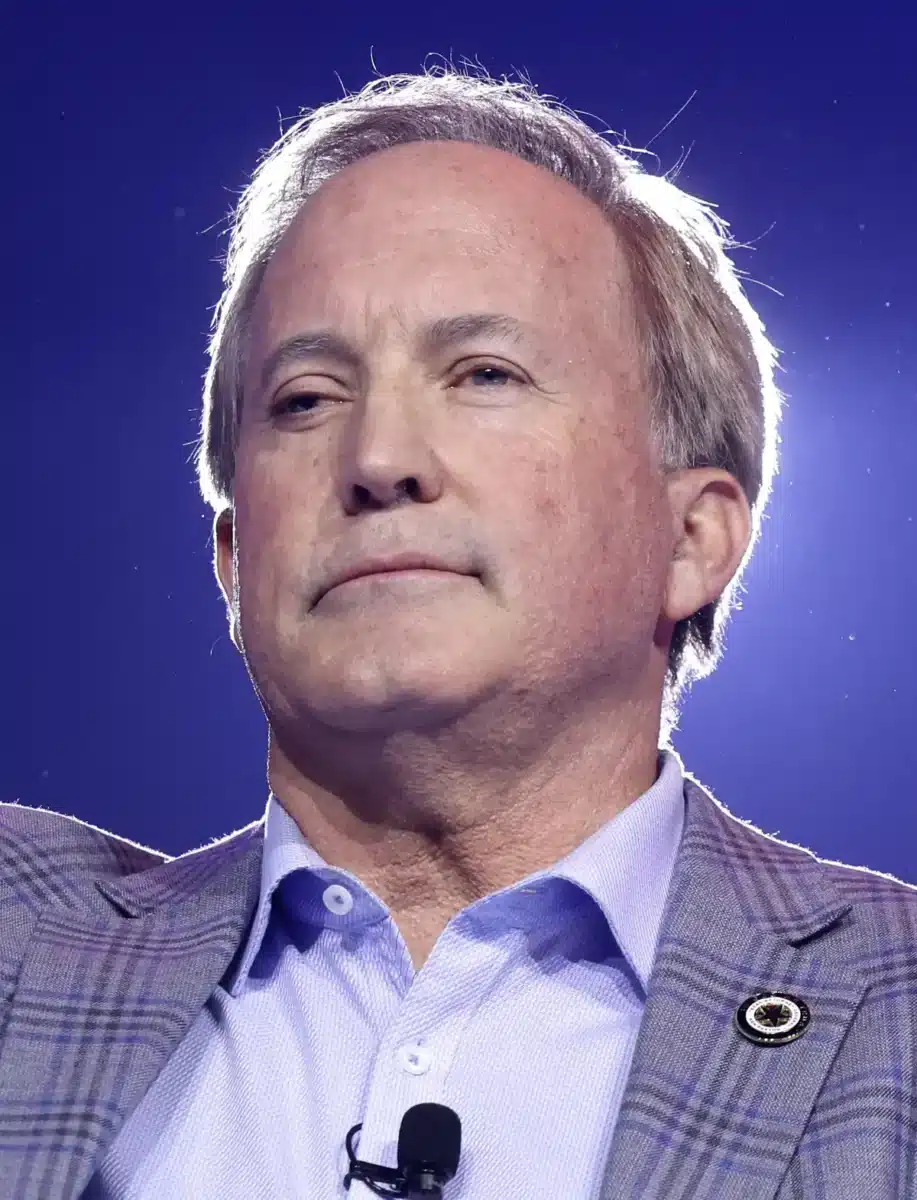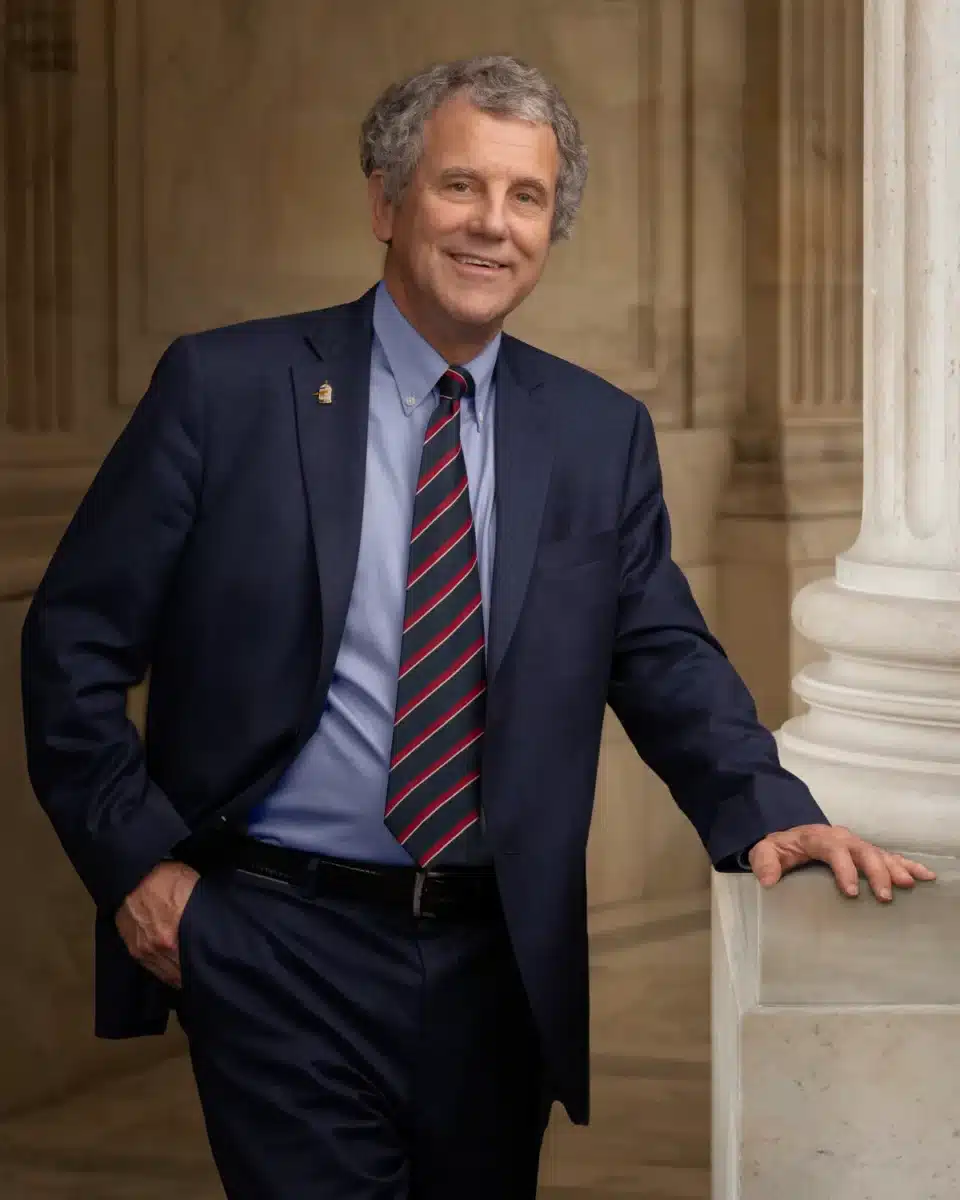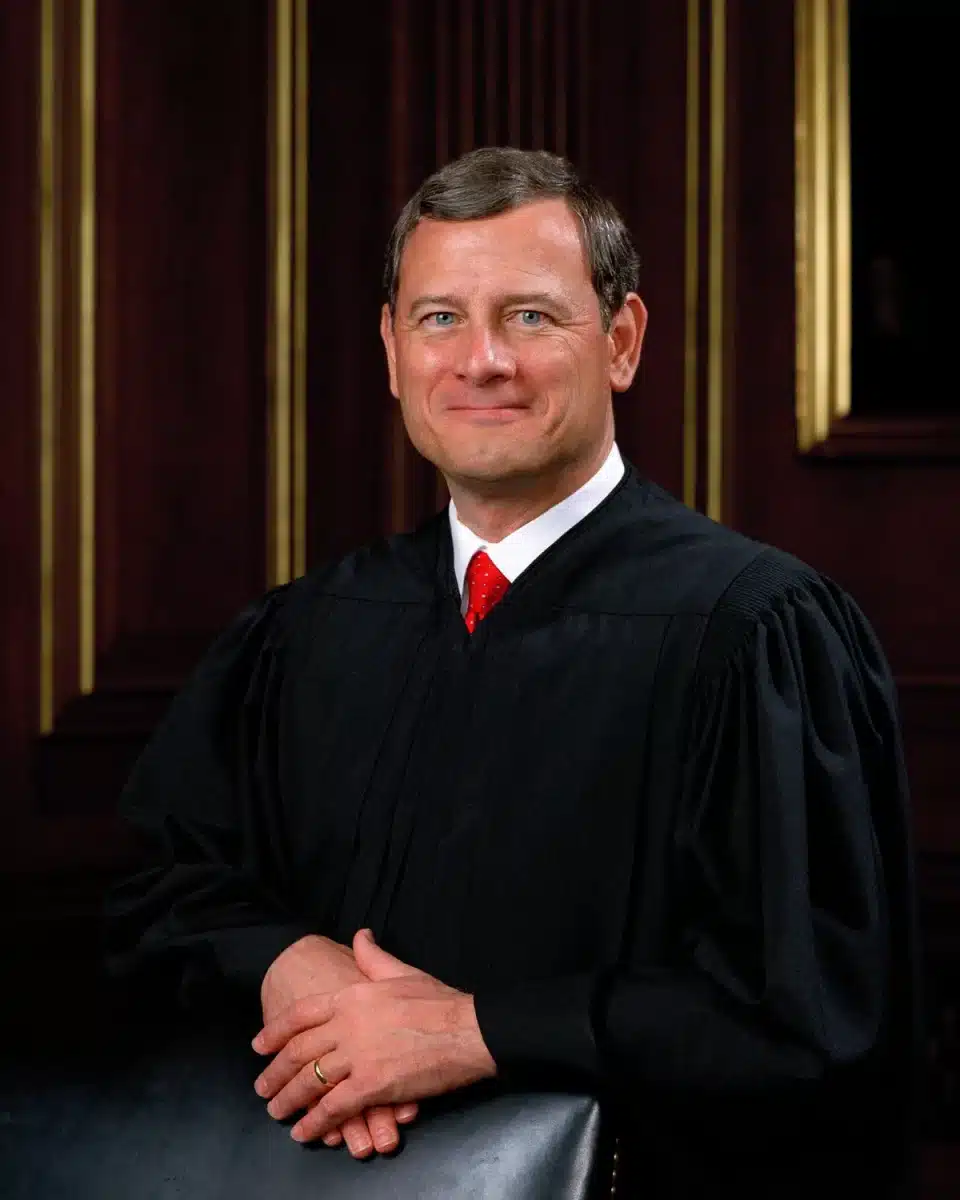
Chief Justice John Roberts led the Supreme Court to reject President Donald Trump’s executive order seeking to end birthright citizenship, ruling 6-3 on June 30 that the policy violates the Constitution’s 14th Amendment. In his majority opinion in Trump v. Barbara, Roberts wrote that children born in the United States to parents who are in the country unlawfully or temporarily “are citizens at birth” under the Citizenship Clause.
Trump issued the executive order on January 20, 2025, his first day in office during his second term. The order would have denied automatic citizenship to babies born to undocumented immigrants and some temporary foreign visitors. Federal judges blocked the order from taking effect while legal challenges proceeded, and the Trump administration appealed directly to the Supreme Court, which heard arguments on April 1.
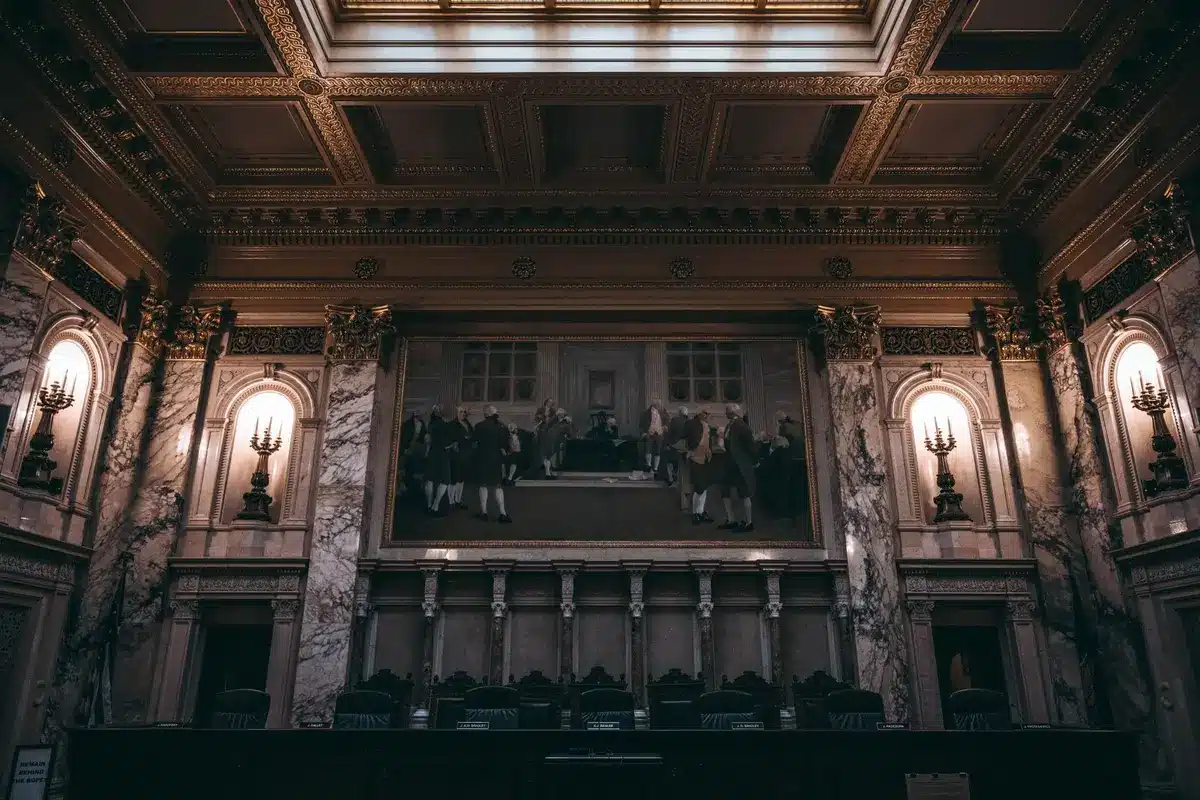
Roberts grounded the decision in more than 150 years of constitutional history. He traced birthright citizenship back to English common law, which granted automatic citizenship to children born in Britain. “This view crossed the Atlantic with the colonists—and was adopted with little fanfare after the Revolution,” Roberts wrote. The 14th Amendment, ratified in 1868, was adopted specifically to overturn the Supreme Court’s 1857 decision in Dred Scott v. Sandford, which denied citizenship to Black people. “The Fourteenth Amendment was intended to repudiate Dred Scott,” Roberts emphasized, and the framers sought to “permanently enshrine” the principle that “a child born on American soil and subject to American law was made an American citizen.”
Roberts cited the Supreme Court’s 1898 decision in United States v. Wong Kim Ark, in which the Court affirmed that a child born in San Francisco to parents of Chinese descent was a U.S. citizen. “What the Court held in Wong Kim Ark was simple,” Roberts stressed: “the Citizenship Clause incorporated the common law and granted citizenship to nearly all children born in the United States.” He concluded that in the 128 years since Wong Kim Ark, the Court had “repeatedly understood the rule” to guarantee citizenship to all children born in the United States and subject to its power.
The Trump administration had argued that even if birthright citizenship was the historical norm, by the time the 14th Amendment was enacted, the key question was whether a child owed “primary allegiance” to the United States—a concept tied to “domicile,” or permanent residence. Roberts rejected this argument, saying there was “scant evidence” for what he called a “dramatically revisionist view.” He noted that if Congress had intended to limit citizenship to children of the domiciled, “nothing in the succinct language of the Citizenship Clause conveyed that design.”
Roberts closed his majority opinion with a statement on citizenship itself: “Citizenship, then and now, was the right to have rights—to freely participate in our political community. The Framers of the Fourteenth Amendment extended that promise to ‘every free-born person in this land.’ We keep that promise today.”
Justice Brett Kavanaugh agreed that Trump’s order was invalid but disagreed with Roberts’ reasoning. Kavanaugh wrote that the order did not violate the 14th Amendment itself but rather violated a federal statute providing that children “born in the United States, and subject to the jurisdiction thereof” are U.S. citizens. He suggested Congress “could amend” that law or “otherwise enact new legislation establishing exceptions to birthright citizenship,” but noted that Congress had not yet done so.
Justice Samuel Alito, in dissent, called the ruling “a serious mistake” and “one of the most important decisions in the history of the Court.” He argued that careful analysis of the 14th Amendment’s text and history showed it confers citizenship only on children who “owe allegiance solely” to the United States. Justice Clarence Thomas wrote a lengthy dissent joined by Justice Neil Gorsuch, contending the majority’s historical account was “not historically accurate.” Gorsuch also filed a brief separate dissent, questioning whether the Court’s reasoning fully addressed all circumstances, particularly regarding children of undocumented immigrants with permanent intent to reside in the United States.
The decision affirms that the constitutional guarantee of birthright citizenship remains intact despite the Trump administration’s attempt to restrict it through executive action. Roberts’ opinion underscores the Court’s view that such fundamental changes to citizenship law require legislative action, not executive order.
Sources
- SCOTUSblog — full analysis of the Supreme Court’s decision, Roberts’ majority opinion, and dissenting views
- Supreme Court — the official opinion in Trump v. Barbara (25-365), issued June 30, 2026
- Constitution Center — explanation of Roberts’ majority reasoning and the 14th Amendment’s intent to repudiate Dred Scott
- American Immigration Council — context on the decision and its preservation of birthright citizenship
- NBC News — reporting on the 6-3 vote and the constitutional grounds for the ruling