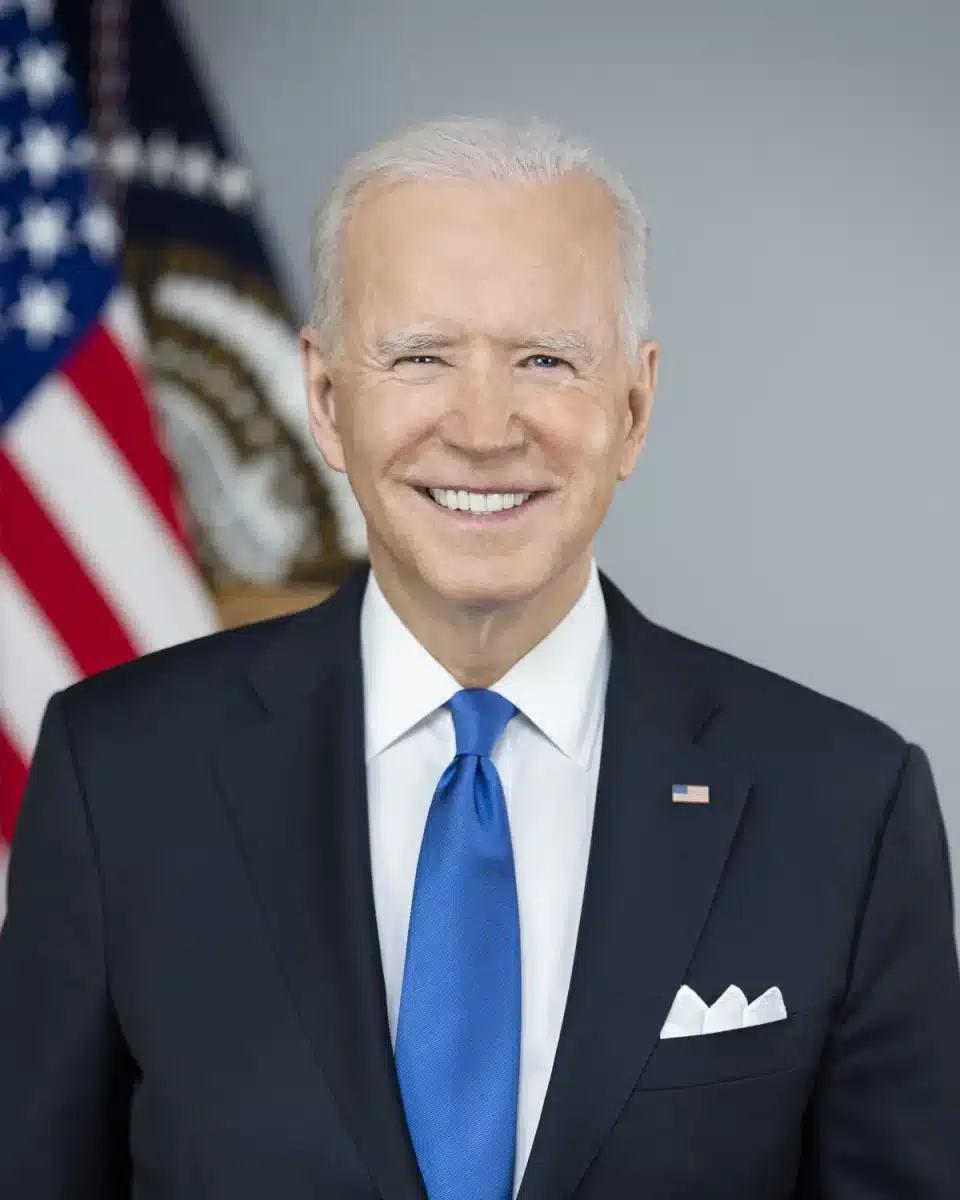
Former President Joe Biden dropped his lawsuit on July 25 seeking to block the release of audio recordings and transcripts from interviews he gave to ghostwriter Mark Zwonitzer for his memoirs, clearing the way for the material to be turned over to Congress and conservative groups after a federal appeals court ruled against him days earlier.
Biden’s attorneys filed a notice of voluntary dismissal in U.S. District Court in Washington, D.C., ending months of legal battle over the ghostwriter memoir interview audio. The decision came less than a week after a divided three-judge panel from the U.S. Court of Appeals for the District of Columbia Circuit rejected his request to keep the recordings private on July 21, according to reporting from USA Today and NBC News.
The appeals court’s 2-1 majority found there is a “substantial” public interest in disclosing the material that Biden wanted to keep under wraps. Chief Judge Sri Srinivasan and Judge Gregory Katsas concluded that any privacy concerns did not outweigh the public’s interest in releasing the redacted materials. “We conclude that any remaining incursion on personal privacy from disclosure of the now-redacted materials likely does not outweigh the public interest in disclosure,” the judges wrote, according to PBS News.
The recordings stem from interviews Biden gave to Zwonitzer in 2016 and 2017 while working on his memoir “Promise Me, Dad.” Zwonitzer also collaborated with Biden on his 2007 memoir “Promises to Keep.” Federal investigators obtained the recordings during special counsel Robert Hur’s investigation into Biden’s handling of classified documents from his time as a senator and vice president. Although Hur declined to file charges against Biden in 2024, Republicans in Congress later sought access to the materials.
Biden’s legal team had argued that the recordings captured private conversations in his home and that releasing them would amount to an unwarranted invasion of his privacy. Instead of pursuing additional appeals, including a possible request to the Supreme Court, Biden chose to dismiss the case. Biden spokesperson T.J. Ducklo said the former president disagrees with the appeals court ruling but “respects the courts and the vital role an independent judiciary plays in a healthy democracy,” according to PBS News.
The legal battle began after the Heritage Foundation, a conservative think tank, sought the recordings through the Freedom of Information Act and later sued to obtain their release. In June, U.S. District Judge Dabney Friedrich ruled that Biden’s privacy interests, while legitimate, were outweighed by the public interest in government transparency. She also found that Justice Department redactions adequately protected sensitive personal information. Biden appealed that ruling, which temporarily blocked the release while the case moved through the courts. Friday’s dismissal ends that appeal, allowing the recordings and transcripts to be turned over under the court’s order.
Judge Florence Pan, who was nominated by Biden and dissented from the majority opinion, wrote that Biden had demonstrated a “substantial privacy interest” because the conversations occurred in his home and were obtained during a criminal investigation that did not result in an indictment. Pan noted that the majority’s ruling effectively allows immediate disclosure of the material by denying Biden’s request for an injunction pending appeal, which would moot the case, according to PBS News.
Sources
- USA Today — Biden’s dismissal of the lawsuit on July 25, the appeals court ruling, and the Heritage Foundation’s FOIA request and lawsuit
- PBS News — The appeals court’s 2-1 decision on July 21, the judges’ reasoning, Judge Pan’s dissent, and Biden spokesperson’s statement
- AP News — Details on the ghostwriter Mark Zwonitzer, the memoirs, the interviews in 2016 and 2017, and the special counsel investigation