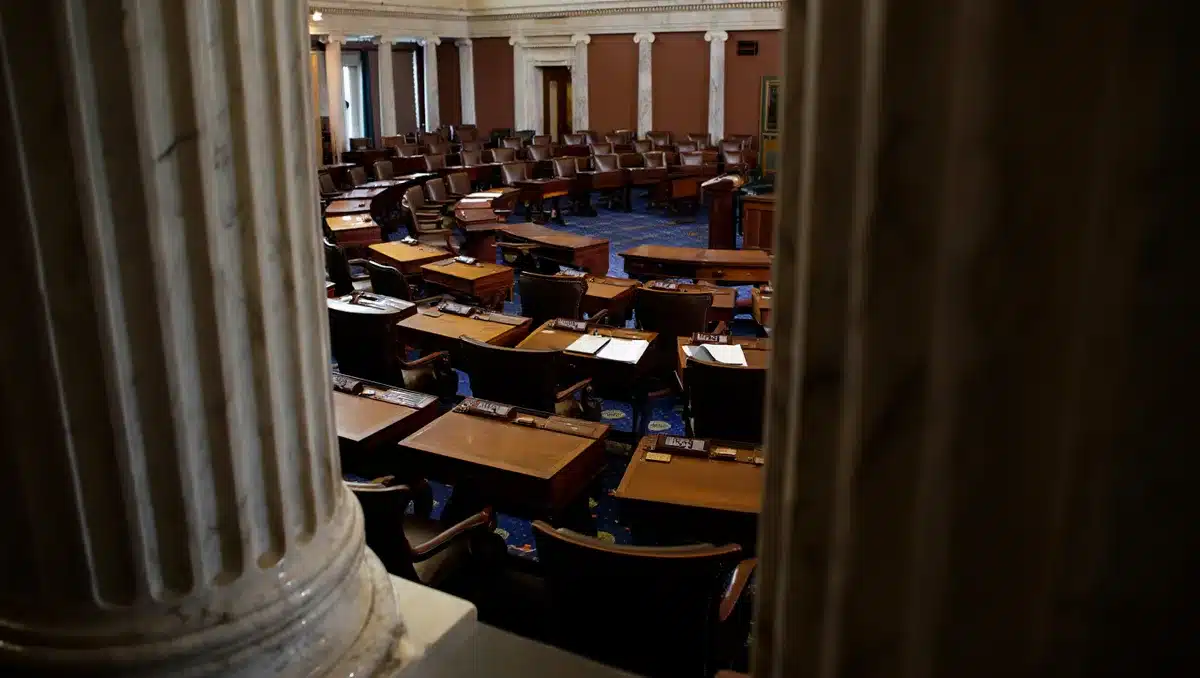
Senate Republicans face steep odds passing a $95 billion reconciliation bill before August recess, with Majority Leader John Thune signaling the chamber lacks the votes to advance the measure this week. The House passed the budget resolution on July 22, but the Senate faces internal divisions that threaten to derail the timeline, leaving the bill’s fate uncertain as lawmakers prepare for a monthlong break.
The $95 billion package, known as Reconciliation 3.0, represents the third GOP budget reconciliation bill this Congress and includes $60 billion for Pentagon spending, $12 billion in farm aid, and provisions tied to President Trump’s election-overhaul agenda. Republicans are using the reconciliation process to bypass a Senate filibuster from Democrats, lowering the vote threshold from 60 to 51.
Thune told reporters on July 23 that he does not currently have the votes needed to advance the budget resolution, effectively pausing momentum on the bill. The Senate Majority Leader indicated that passing a temporary government funding measure to keep agencies operating would take priority instead, pushing reconciliation 3.0 further down the calendar.
The bill has fractured Senate Republicans along several fault lines. Some GOP senators worry the $95 billion price tag is too high, while farm-state lawmakers argue it does not allocate enough resources to agriculture. Others have questioned whether reconciliation 3.0 should be taken up at all, citing concerns about the process and the bill’s contents, according to reporting from KCRA.
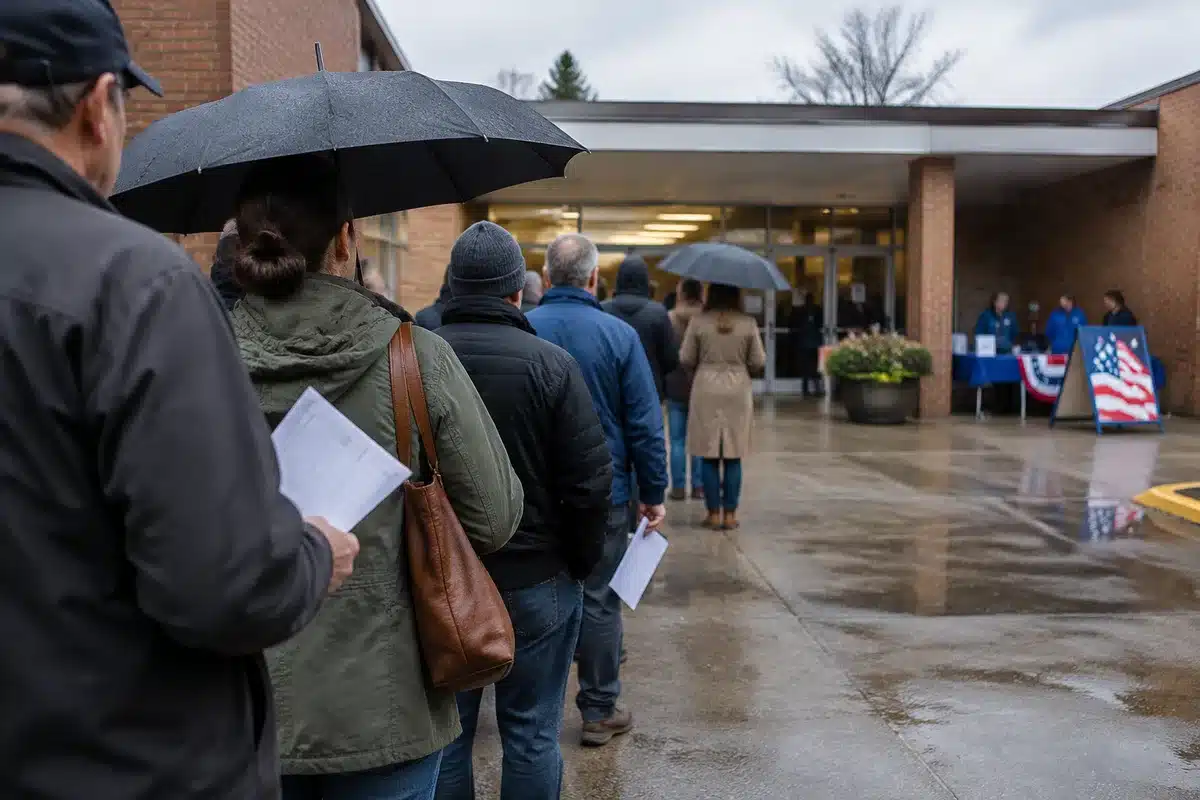
A central draw for Trump is the bill’s advancement of provisions from the SAVE America Act, his election-focused legislation. Because Senate rules prevent Republicans from mandating state voting law changes through reconciliation, the bill would instead offer election grants to states that adopt voter ID and proof of citizenship requirements. Experts noted that Republican-led states are likely to embrace these measures while Democratic-led states would not, complicating nationwide implementation of the president’s voting priorities.
The reconciliation process itself carries built-in constraints. Senate debate time on a reconciliation bill is fixed at 20 hours, after which only a simple majority is required to pass. However, the Senate must first adopt a budget resolution—a step that still requires 50 votes with the vice president as a tiebreaker. Without those votes secured, the process cannot move forward.
Trump has publicly urged Senate passage of the bill, even calling on supporters to contact Thune directly to pressure him. However, Thune’s public statements suggest he is not prepared to bring the measure to the floor without a clearer path to passage. The Senate is scheduled to leave for August recess at the end of the week, leaving only days for Republicans to resolve their internal disagreements and secure the necessary votes.
Senate Republicans have already passed two reconciliation bills earlier in 2026. The first, passed in June, funded immigration enforcement with roughly $70 billion. The second followed in the same period. A third package had been flagged by some Senate Republicans as impractical given the limited legislative window and existing divisions within the conference, according to Roll Call reporting from late June.
If the Senate does not act before recess, the bill could be taken up after lawmakers return in September or pushed into the post-election lame-duck session. Either delay would further compress an already tight timeline and complicate Republicans’ efforts to deliver on Trump’s legislative priorities ahead of the 2026 midterm elections.
Sources
- The Hill — Thune statement on Senate lacking votes for the budget resolution (July 23, 2026)
- KCRA — Senate Republican divisions and Thune’s prioritization of government funding over reconciliation 3.0 (July 26, 2026)
- CBS News — House passage of the $95 billion budget resolution and bill contents (July 22, 2026)
- ABC News — House adoption of the Republican-only $95 billion package and reconciliation process overview (July 22, 2026)
- Politico — House Budget Committee advancement and Senate outlook for reconciliation 3.0 (July 23, 2026)
- Roll Call — Senate Republican skepticism about feasibility of third reconciliation package (June 25, 2026)
- Congress.gov — Reconciliation process mechanics and debate time rules (February 23, 2026)