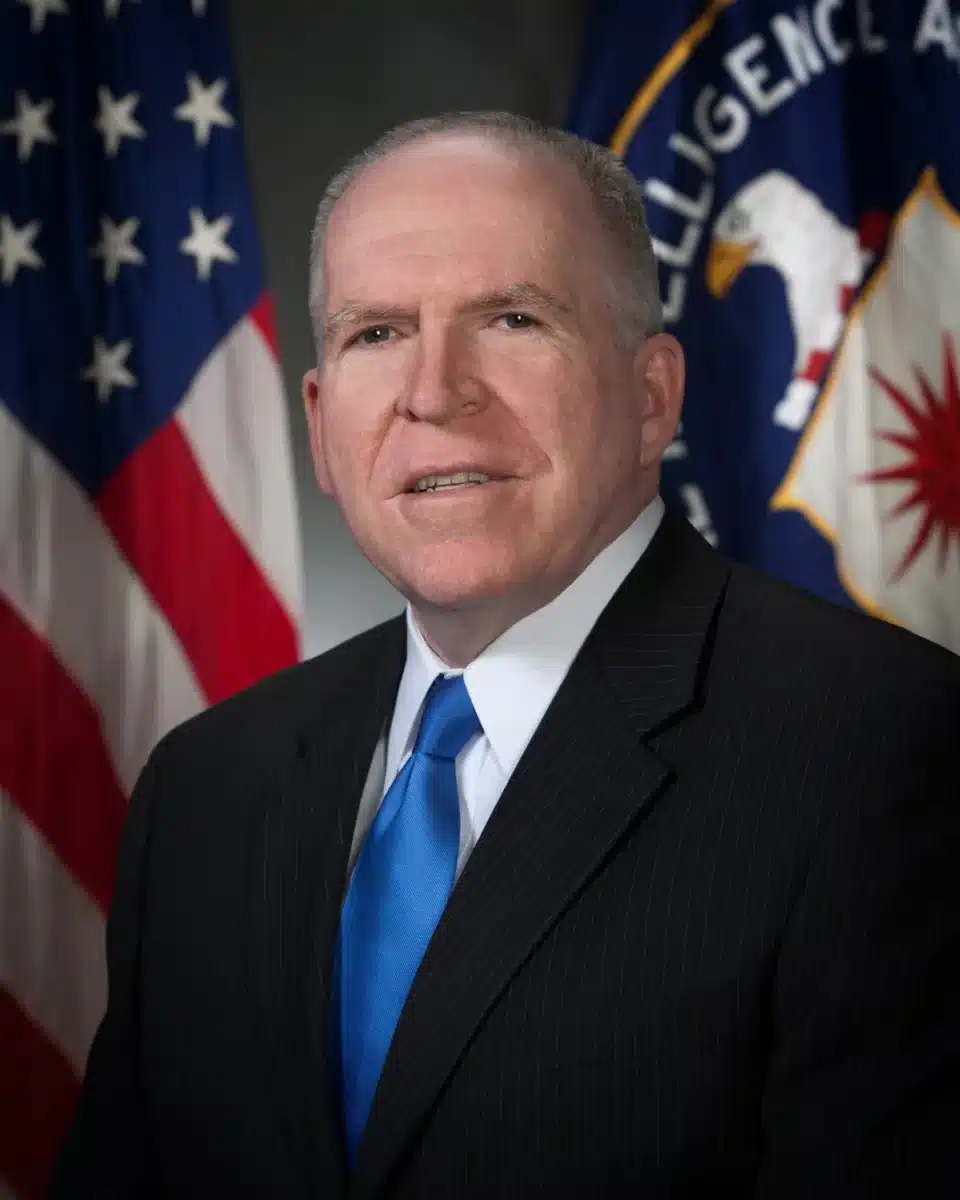
The House passed a $95 billion budget framework under Speaker Mike Johnson’s leadership Wednesday, advancing a third budget reconciliation package that would boost Pentagon funding, provide agriculture assistance, and fund voting-related grants to states. The vote was 216-214, marking a significant procedural victory for Johnson after he secured support from wavering Republicans in his razor-thin majority.
The framework allocates $73 billion for defense and intelligence spending amid the ongoing conflict with Iran, $12 billion in agricultural aid for farmers affected by trade policies, and $10 billion for a grant program designed to incentivize states to adopt Trump-backed voting restrictions, including voter identification requirements and proof of citizenship for voter registration.
Johnson spent much of the day persuading reluctant members to support the measure. Three Republicans ultimately voted against it: Reps. Warren Davidson of Ohio, Thomas Massie of Kentucky, and Kevin Kiley of California. Davidson cited the absence of spending offsets to pay for the $95 billion package, a concern shared by fiscal conservatives in the caucus. Kiley objected to using the reconciliation process to finance military operations in Iran, arguing that defense funding should receive separate bipartisan consideration.

The budget reconciliation process allows Republicans to bypass the Senate’s usual 60-vote filibuster threshold, enabling passage with a simple majority. This procedural tool has become central to Republican strategy in a closely divided Congress, used earlier this year for immigration enforcement funding and last year for a major tax and spending bill.
For Johnson, the Wednesday passage represents a win in an increasingly complex legislative environment. The framework is the third reconciliation package House Republicans have attempted this Congress, and it comes as lawmakers face competing priorities: funding military operations, managing a government shutdown deadline at the end of September, and advancing Trump’s voting-restriction agenda before the November midterm elections.
However, the framework faces uncertain prospects in the Senate. Senate Majority Leader John Thune indicated the chamber will delay consideration of the budget resolution until lawmakers first resolve government funding legislation needed to prevent a federal shutdown. Thune has signaled he may use the threat of reconciliation as leverage to pressure Democrats into accepting a spending package he prefers, rather than immediately advancing the House framework.
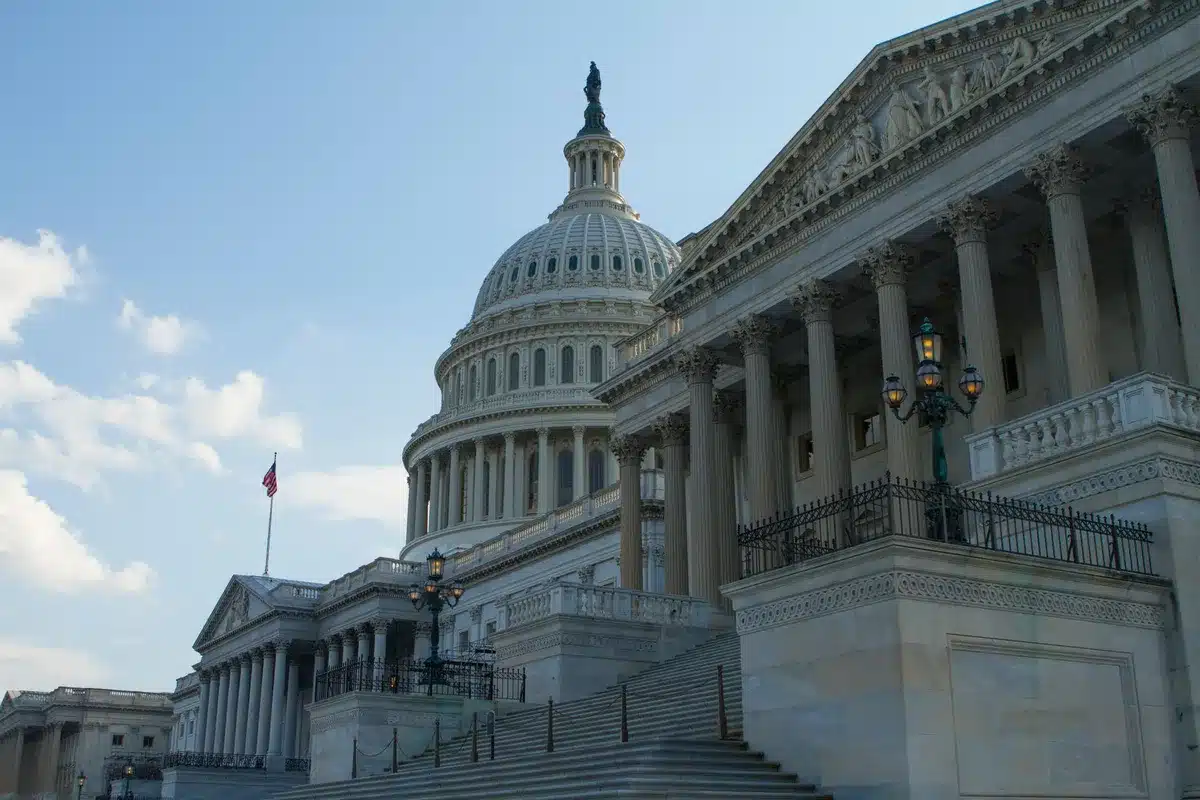
Some Senate Republicans have also expressed resistance to the framework as currently structured. If the Senate modifies the budget resolution, the House would have to revote before committees could begin drafting the actual legislation that would carry the spending and policy provisions under reconciliation procedures.
The voting-related provisions in the package represent a scaled-back version of Trump’s Safeguard American Voter Eligibility Act, which the Senate has repeatedly refused to pass. The reconciliation process limits what can be included to strictly budgetary matters under the Senate’s Byrd Rule, preventing the full scope of voting restrictions Trump has sought. Still, Republicans view the grant program as a meaningful step toward their election-security agenda, even if it falls short of the comprehensive voting restrictions the administration has pushed.
House Democrats opposed the framework, arguing it would substantially increase federal spending without offsets while expanding military expenditures. House Minority Leader Hakeem Jeffries characterized the package as wasteful spending on what he called “Operation Epic Failure” in the Middle East, citing Trump’s campaign promises to end rather than start wars in the region.
Sources
- The Hill — House vote count (216-214), package breakdown ($73B defense, $12B agriculture, $10B voting grants), Johnson’s statement, Republican concerns, Senate Majority Leader Thune’s position
- The Well News — Vote passage, framework details, Republican opposition from Davidson and Kiley, reconciliation process explanation, Senate outlook
- Democracy Docket — Vote count, $95 billion total, voting restrictions details, Iran war funding, reconciliation process mechanics, Senate parliamentarian ruling on SAVE Act