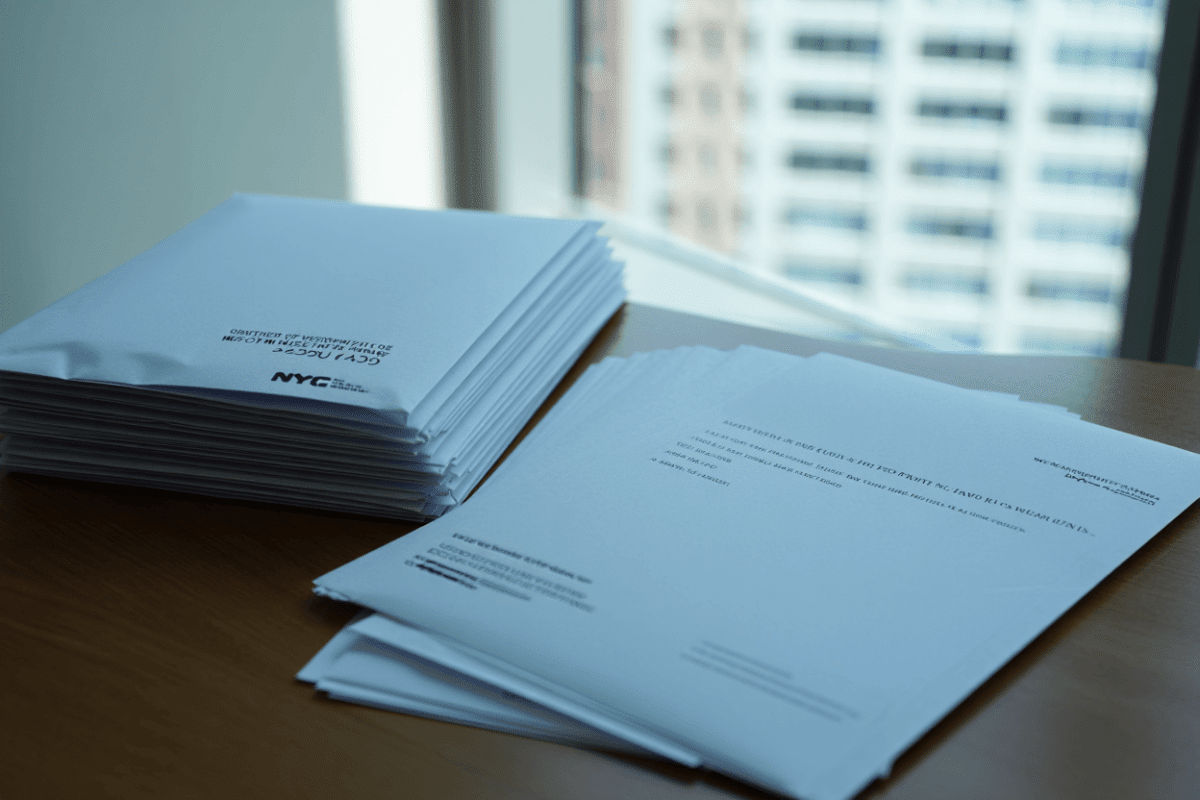
New York City began notifying property owners last week that they may owe a new pied-à-terre tax on second homes valued at $5 million or more, marking the first major implementation step for a surcharge that took effect July 1, 2026.
Mayor Zohran Mamdani announced the notification campaign on July 23, saying the city sent letters to tens of thousands of owners alerting them to the annual surcharge on luxury second homes when the owners maintain a primary residence outside New York City.
The tax applies to one- to three-family homes, condominiums, and co-ops assessed above $5 million. For condos and co-ops valued between $1 million and $3 million, the surcharge ranges from 4 percent to 6.5 percent of assessed value during the initial phase, according to law firms tracking the implementation. Single-family homes valued at $5 million to $15 million face rates between 0.8 percent and 1.05 percent, depending on assessed value.
The scale of the tax’s reach exceeded early expectations. While Governor Kathy Hochul initially estimated the tax would affect about 13,000 properties and generate $500 million in annual revenue when she proposed it in April 2026, more recent data show the scope is far broader. According to Bloomberg, more than 31,000 properties are potentially subject to the surcharge based on data the city published alongside the notification letters.
The pied-à-terre tax was a central campaign promise for Mamdani, who ran on raising taxes on the wealthy. The measure also helped close New York City’s budget gap, which was a key priority for state lawmakers when they approved the tax as part of the 2026-2027 state budget in May.
Property owners can claim exemptions if a unit is rented to a primary resident or occupied by a family member. The city’s Department of Finance must notify all affected owners by August 30, 2026, according to legal guidance. Owners who receive notices can challenge the determination, and the city has added 24 new jobs within the Department of Finance and the Office of Administrative Tax Appeals to handle the program.
The notification process represents the first concrete step in implementing what is the first tax of its kind in New York State. Ana Champeny, vice president for research at the Citizens Budget Commission, noted that assessing property values for the tax involves computer modeling based on trends and statistics rather than traditional in-person appraisals. “It’s not going to involve someone going into the buildings,” she said in an interview with Spectrum News NY1.
The tax has raised concerns among housing advocates. Rebecca Poole of the Council of New York Cooperatives and Condominiums warned that the burden could fall on all residents if one shareholder fails to pay, potentially triggering building assessments. She also cautioned that the tax could affect market prices, rental availability, and development decisions.
Sources
- Spectrum News NY1 — notification of property owners and tax details
- USA Today — Mayor Mamdani’s announcement and tax overview
- NYC Comptroller’s Office — revenue projections and property impact estimates
- Bloomberg — expanded property count data from July 24, 2026