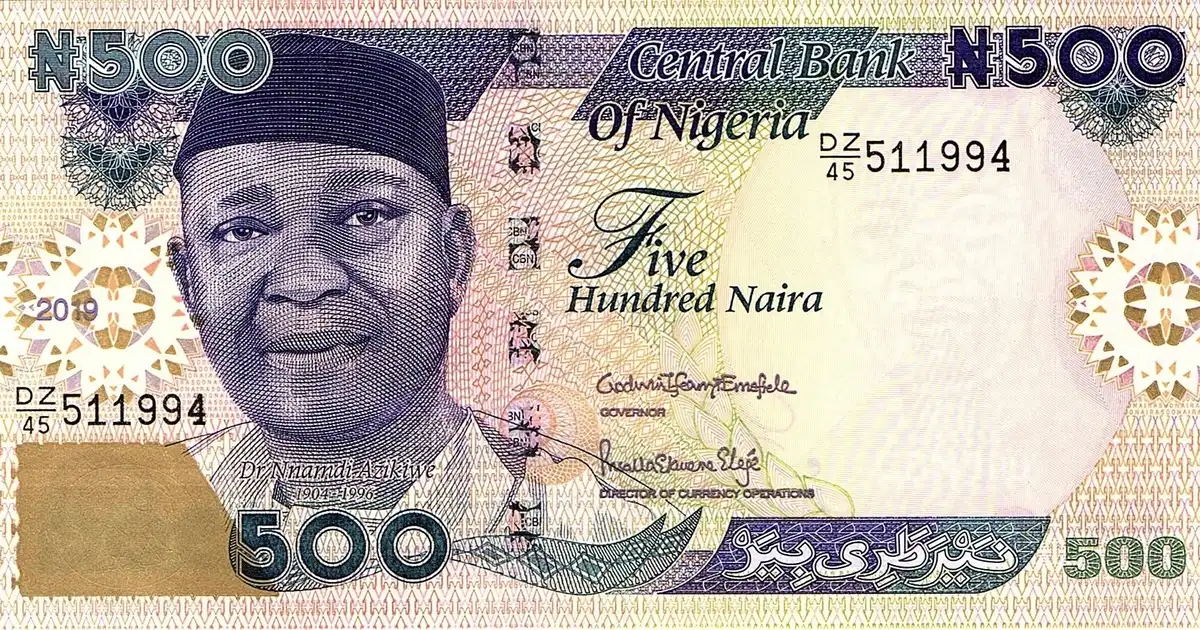
Nigeria’s naira strengthened to 1,365 per dollar on July 24, 2026, extending a remarkable recovery that has made the currency Africa’s second best-performing in the first half of the year. The currency has appreciated 5.8% on the official market so far in 2026, building on a 7.0% gain recorded in 2025, marking a rare sustained period of strength for a currency that spent years under pressure from volatile oil markets and capital flight.
The naira’s recent gains rest on three pillars: stronger dollar liquidity flowing into Nigeria, active management by the Central Bank, and a recovery in crude oil production. The Central Bank has kept the currency within a ₦1,350 to ₦1,390 range by actively buying and selling dollars, reducing the volatility that previously plagued the market, according to Bankole Oduanya, treasury chief dealer at Polaris Bank.
Oil sector improvements are supporting the gains. Nigeria’s crude production reached 1.56 million barrels per day in June 2026, a sign the country is moving closer to its OPEC quota after years of underperformance. That increased output has boosted foreign currency inflows and helped external reserves climb above $51.7 billion, with analysts projecting a possible additional $2 billion increase by the end of September if current trends persist.
Despite the strength, the International Monetary Fund says the naira remains undervalued by 25.6% against the dollar, suggesting further appreciation may be possible. Oduanya argued that the currency could strengthen by another ₦200 from current levels once political and geopolitical risk premiums fade, potentially by early next year. He also cited expected foreign direct investment tied to multinational oil companies and corporate expansion as a medium-term support for the currency over the next 24 to 36 months.

The gains come with a trade-off. Higher oil prices, which are supporting the naira’s strength, also raise domestic energy costs and threaten to reignite inflation. Oduanya warned that inflation, which stood at 16.9%, could climb back toward 20% as energy costs ripple through the broader economy, particularly into food and transport prices. Treasury bill yields have already moved to 17.3% to 17.7%, with rates potentially rising to 18% in the coming weeks as investors price in those risks.
Still, the naira’s performance this year marks a turning point. The currency has benefited from regional currency dynamics and a more stable FX market where the spread between official and parallel market rates has narrowed significantly. The gap has shrunk to only around ₦15 away from the interbank rate, suggesting improved price discovery and better access to foreign exchange compared to the extreme dislocations of previous years.
Analysts caution that sustaining the gains will require diversifying Nigeria’s foreign currency inflows beyond crude. Non-oil exports remain underdeveloped, and sectors such as gas, fertilizer, and agriculture have yet to reach their full export potential. For now, the naira’s H1 performance rests on stronger dollar liquidity, active central bank management, and improving oil-sector fundamentals — factors that remain sensitive to shifts in global oil markets and geopolitical risk.
Sources
- Trading Economics — naira exchange rate at 1,365.47 per dollar on July 24, 2026, down 0.28% from previous session
- Legit.ng — naira ranked as Africa’s second best-performing currency in H1 2026, appreciating 3.36% against the US dollar
- CNBC Africa — Central Bank of Nigeria active management keeping naira in ₦1,350 to ₦1,390 range; Bankole Oduanya commentary on dollar liquidity, external reserves above $51.7 billion, crude production of 1.56 million barrels per day in June, IMF assessment of 25.6% undervaluation, inflation outlook, and currency appreciation potential
- Instagram / Nairametrics — naira appreciation of 5.8% on official market in 2026, building on 7.0% gain in 2025