SpaceX’s Starship is set to launch Flight 13 from its Starbase facility in Boca Chica, Texas, today at 5:45 p.m. CT, marking the second attempt after an engine failure forced an abort one week ago.
The July 16 launch attempt was scrubbed when four of the Super Heavy booster’s 33 Raptor engines failed to ignite at T-0, triggering an automatic abort. According to Elon Musk, at least two Raptor engines required replacement following the hard engine stop.
SpaceX spent the past week removing the booster and upper stage from the pad, rolling them back to the production facility, and conducting extensive engine repairs. The booster returned to Pad 2 on July 21, and the company completed additional preflight testing before stacking the upper stage back on top on July 22. A weather delay from Tropical Storm Bertha pushed the launch from July 23 to today.
The mission carries a historic payload: 20 Starlink V3 satellites, marking the first operational Starlink deployment from Starship. Unlike previous flights that carried mass simulators, these are production satellites that will extend solar arrays and antennas and attempt to connect with the larger Starlink constellation via high-capacity lasers. The satellites will ride the same suborbital trajectory as Starship and are expected to demise upon reentry approximately 20 minutes after deployment.
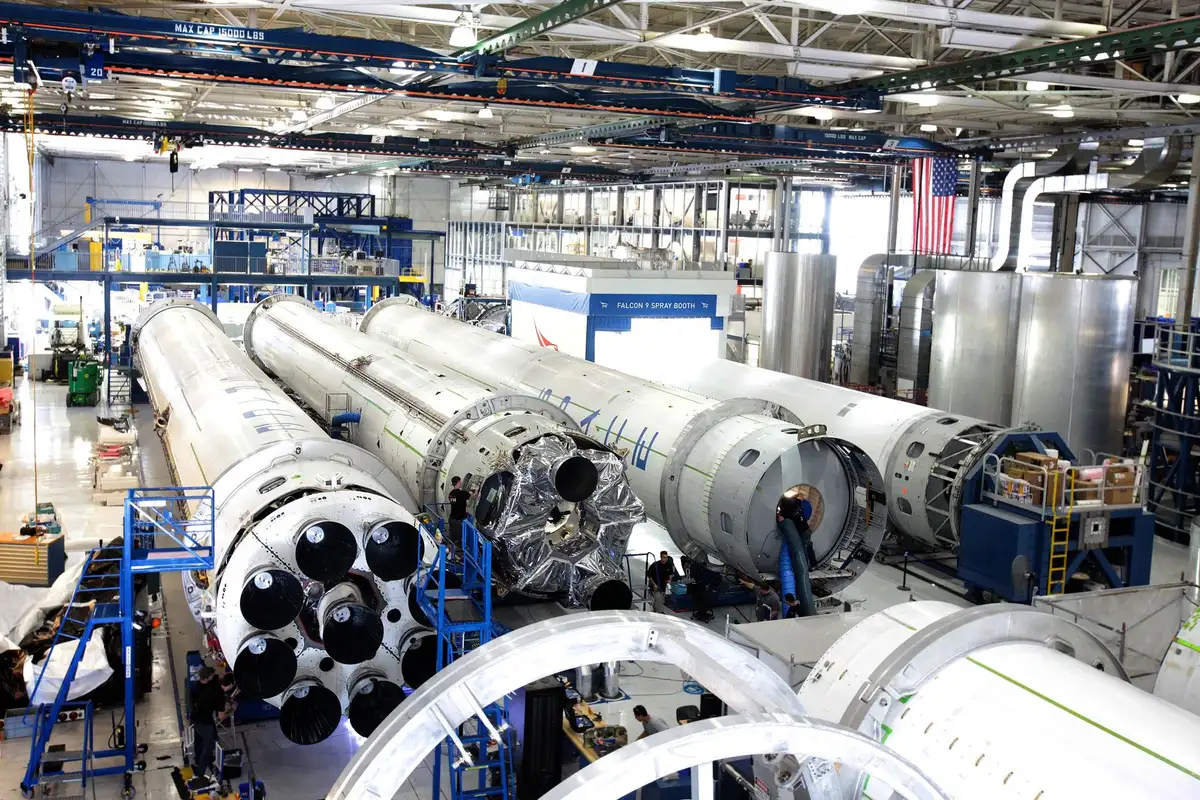
The engine issues on Flight 13 stem partly from problems encountered during Flight 12 in May. During that mission, slight differences in the upper stage’s engine startup sequence caused the booster’s directional flip at stage separation to be off by approximately 90 degrees, which prevented a nominal boostback burn and led to the loss of Booster 19. SpaceX has now introduced hardware modifications to the Super Heavy, including updated engine alarms and abort procedures designed to match conditions in the multi-engine flight environment.
Beyond the engine fixes, SpaceX plans to attempt a Raptor engine relight following the roughly 11-minute satellite deployment sequence. Teams also hope the work done on the sea-level Raptor engines, combined with the new startup sequence on the upper stage, will enable a successful boostback burn on Booster 20 and a splashdown in the Gulf of Mexico—a major milestone for booster reusability.
Flight 13 also includes upgrades to Starship’s heat shield to push the vehicle toward future full reusability. Multiple tiles will be attached to the metallic side of the aft flaps, and modified tiles and attachment mechanisms will be installed in the heat shield covering the aft skirt to gather flight data on different options. Load-sensing tiles will measure stress as the vehicle experiences higher dynamic pressure on ascent than previous flights.
The success of Flight 13 carries implications beyond SpaceX’s test program. A nearly identical version of the Starship Version 3 rocket is being prepared for NASA’s Artemis 3 mission, which will include a docking between Starship and NASA’s Orion spacecraft. However, a July 2026 Government Accountability Office report noted that SpaceX is more than a year behind its original schedule for key Human Landing System milestones, and development of its Raptor engines remains a top risk. The report highlighted that the latest Raptor version incorporates improvements such as welded fuel joints designed to prevent the fuel leaks that resulted in a vehicle loss during flight testing in March 2025.
With the launch window opening at 5:45 p.m. CT today, SpaceX will attempt to overcome the setback from eight days ago and demonstrate that the company has addressed the underlying engine issues that grounded Flight 13 last week.
Sources
- Spaceflight Now — live coverage of Flight 13 launch preparations, engine work following the July 16 abort, and mission objectives including Starlink V3 deployment
- SpaceX official website — launch window timing (5:45 p.m. CT), payload details, and technical modifications for Flight 13
- Space.com — details on the July 16 abort, engine failure analysis, and Flight 12 comparison
- Euronews — confirmation of four engine failures during the July 16 abort and engine replacement scope
- Government Accountability Office — Artemis program schedule delays and Raptor engine development risks