Saving money starts with these 28 proven strategies that financial experts say work. NerdWallet’s comprehensive guide, published in July 2026, lays out practical, tested approaches spanning budgeting, debt reduction, bill cuts, smart shopping, and transportation savings.
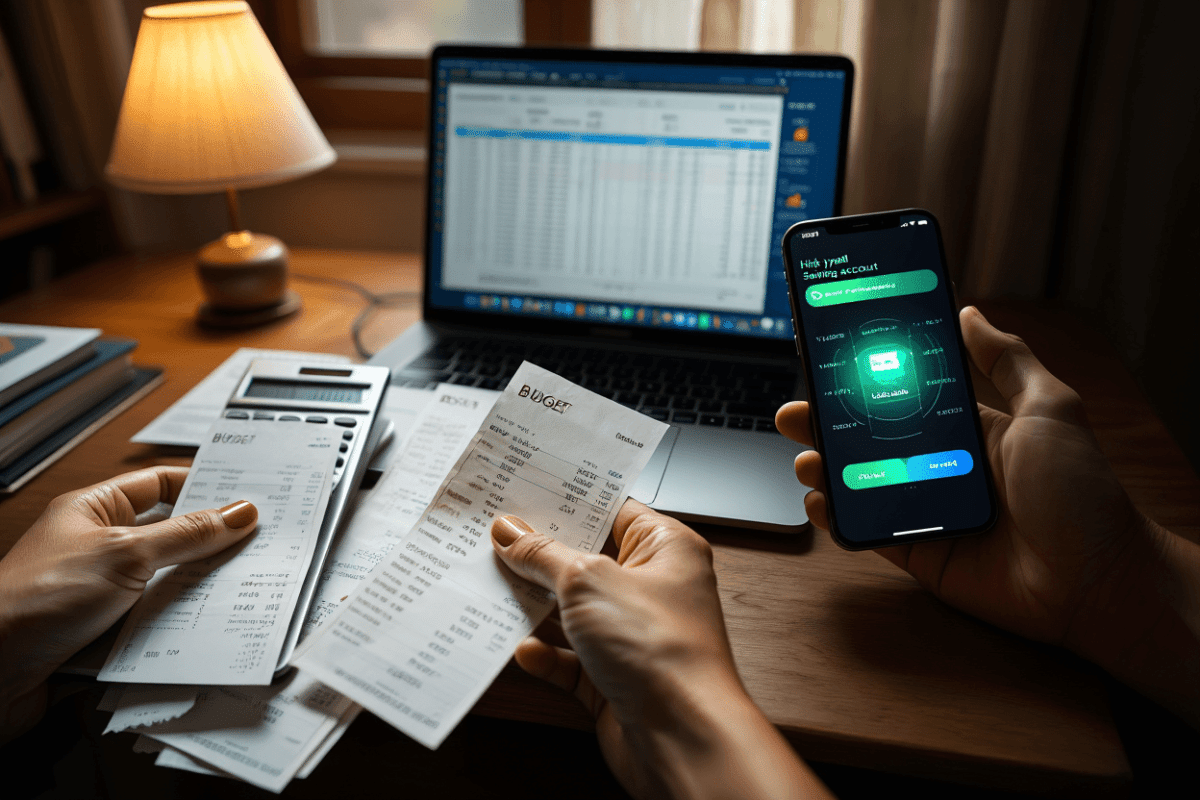
The foundation of any savings plan is a budget. Certified financial planner Durriya Pierce at Fruitful Advisory recommends getting “a system in place so you don’t have to think too much about money.” The popular 50/30/20 budget rule divides your after-tax income into three categories: 50% for necessities, 30% for wants, and 20% for savings and debt payments. The Consumer Financial Protection Bureau suggests this flexible approach as a starting point, though you can adjust percentages based on your situation.
Once you have a budget framework, automate your savings. “Everything should be on automation,” Pierce said. Setting up automatic transfers from your paycheck or bank account removes the mental effort and makes saving consistent. This approach works especially well for emergency funds, which financial experts agree should equal three to six months of essential expenses.
A high-yield savings account is where that emergency fund belongs. These accounts earn significantly more than traditional savings—rates as of early 2026 range from 3.26% to 5.00% APY, compared to the national average of 0.39%. Your money stays liquid and accessible while earning real returns. Many high-yield savings accounts now offer buckets or sub-accounts, letting you organize savings toward specific goals like home repairs, car maintenance, or holiday shopping.
Debt reduction unlocks additional savings. According to NerdWallet’s 2026 Consumer Outlook Report, 30% of Americans plan to pay off one or more debts in full this year. Anything with an interest rate above 8% qualifies as high-interest debt. Making extra payments beyond the minimum accelerates payoff and cuts total interest paid. For student loans, enrolling in an income-based repayment plan or refinancing can lower monthly payments to manageable levels.
Monthly bills offer immediate savings opportunities. Reviewing TV and internet packages often reveals room to negotiate—many providers will adjust pricing to retain customers. Switching to a cheaper cell phone plan, scheduling your thermostat to reduce energy use by 7-10 degrees, and canceling unused subscriptions are quick wins. More than half of U.S. adults (55%) plan to significantly reduce subscriptions in 2026 to save money.
Shopping strategically compounds savings. Timing major purchases like appliances, furniture, and electronics around annual sales periods saves hundreds. The 30-day rule—waiting a month before buying something you want—cuts impulse purchases. Adding friction to online shopping (deleting saved payment methods, removing apps from your phone) creates a pause for reflection. Buying household supplies and groceries when on sale, shopping at consignment stores, and bringing your own snacks to events all reduce spending without sacrificing quality.
Transportation costs represent a significant budget item. Selling an older car payment and replacing it with something cheaper, shopping for better car insurance rates, using gas apps to find cheaper fuel, and considering car-sharing services for occasional needs all lower expenses. Reducing restaurant meals and meal delivery services—which often rank as the third-largest expense after housing and childcare—frees up substantial monthly cash.
Entertainment doesn’t have to drain savings. Taking advantage of free museum days, free national park visits, and community events, asking for discounts for students or military members, and requesting memberships as gifts (like a zoo pass) spreads costs over the year.
Sources
- NerdWallet — “28 Proven Ways to Save Money” article published July 13, 2026, detailing all 28 strategies with expert commentary from certified financial planners and personal finance writers
- SavePoint Finance — High-yield savings account rates ranging from 3.26% to 5.00% APY as of early 2026
- Yahoo Finance — Expert recommendation that emergency funds should total three to six months of living expenses
- Department of Financial Protection and Innovation (CA.gov) — CFPB suggestion to use the 50/30/20 budgeting rule as a flexible approach
- Chase Bank — Explanation of the 50/30/20 budget rule allocating 50% to needs, 30% to wants, and 20% to savings