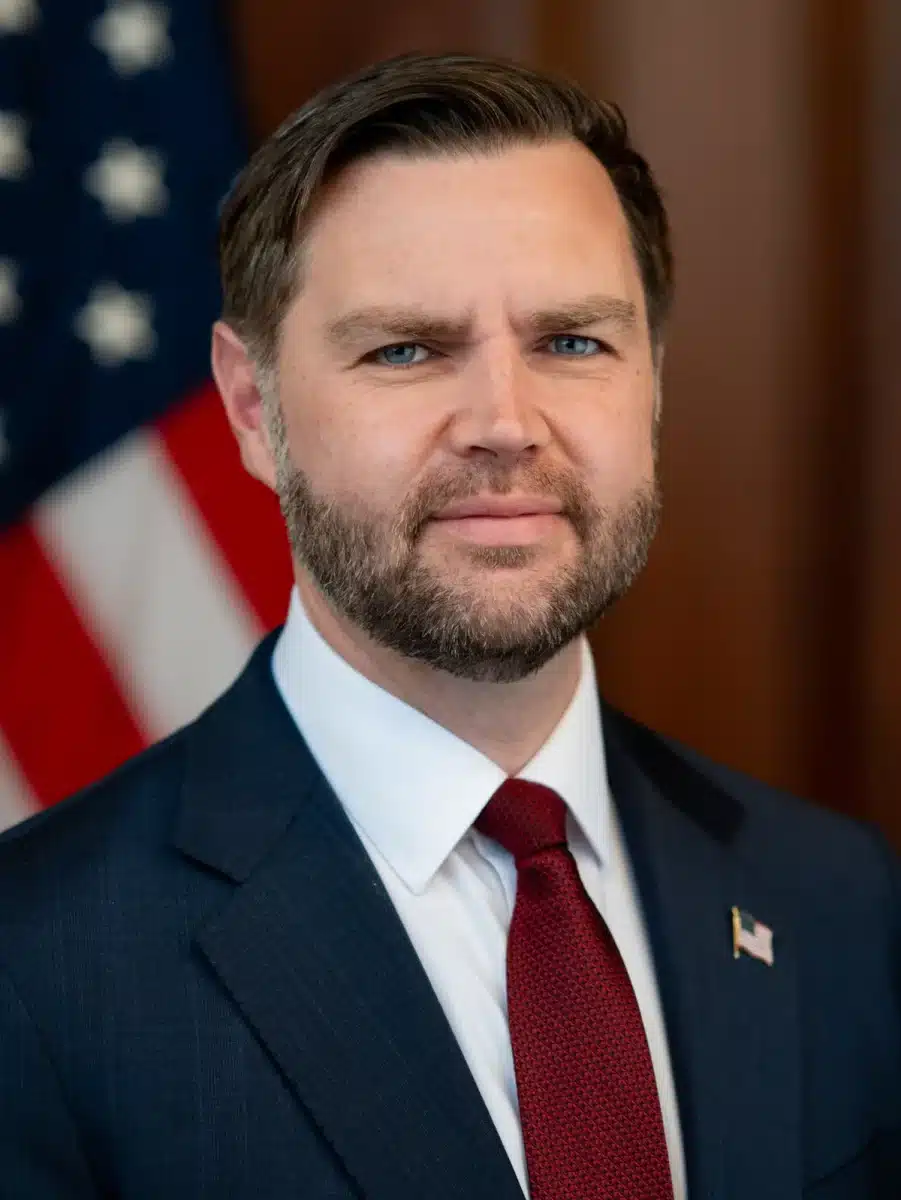
Vice President JD Vance has emerged as the central figure in GOP internal divisions over President Trump’s Iran peace deal, facing unprecedented criticism from Republican senators and hawks who view the agreement as a capitulation to Tehran and a potential political disaster for the vice president’s 2028 presidential ambitions.
Vance became the public face of Trump’s Iran negotiations after the administration signed a 14-point memorandum of understanding with Iran in June 2026, designed to end a costly and unpopular war. But the deal has triggered sharp criticism from within the Republican Party, with influential senators breaking ranks to attack what they see as excessive concessions to Iran.
Republican Senators Bill Cassidy of Louisiana, Ted Cruz of Texas, Tom Cotton of Arkansas, and Thom Tillis of North Carolina have been among the most vocal critics. Cassidy called the agreement “the worst foreign policy blunder in decades,” while Cruz warned that giving “billions” to Iran is “an exceptionally bad idea.” Conservative commentator Ben Domenech attacked the deal on Fox News, asking whether the GOP was becoming “some hillbilly Obama kind of GOP” — a reference to Vance’s memoir, “Hillbilly Elegy.”
Trump has complicated Vance’s position by publicly signaling that the vice president will take the blame if the deal fails. “If it works out, I’m going to take the credit,” Trump told reporters. “If it doesn’t work out, I’m blaming JD.” That statement has crystallized GOP concerns that Vance is being set up as a political fall guy.
Republican lawmakers see the Iran deal as a defining issue for the 2028 presidential primary, where Vance and Secretary of State Marco Rubio are considered early front-runners. Rubio, however, has kept his distance from the deal, a strategic move that GOP insiders say positions him to capitalize if the agreement unravels. According to reporting, Rubio and Defense Secretary Pete Hegseth questioned aspects of the memorandum before Trump approved it, but neither advocated against reaching a deal.
The fundamental GOP divide centers on the deal’s terms. Vance has argued that the agreement allows Iran to rejoin the global economy and opens the door to better relations, while hawks contend the U.S. is surrendering too much. One anonymous Republican senator told The Hill that the prospect of tens of billions of dollars flowing to Iran would become “a real problem” if Iran continues backing Hezbollah and Hamas. “He is being asked to sell it,” the lawmaker said of Vance’s role. “All the money in there for Iran, I just think that’s going to be tough.”
Vance has fought back against his critics, telling podcaster Megyn Kelly that hawks “want this to go on until every bomb has been dropped, or until every Iranian is dead.” He has also defended the deal’s safeguards, arguing that sanctions relief will be contingent on Iranian compliance. In a June 24 statement, Vance urged Republican critics to “have a little bit of faith” in President Trump.
The civil war within the GOP reflects deeper fissures over foreign policy. The traditional Republican hawk wing, represented by figures like Senators Lindsey Graham and Tom Cotton, has long advocated for regime change and military escalation in Iran. Vance, by contrast, has expressed skepticism of Middle Eastern interventions, a position that aligns with the non-interventionist wing of Trump’s coalition that includes figures like Tucker Carlson.
Complicating matters, the 60-day ceasefire has proven fragile. In late June, the U.S. and Iran exchanged strikes over four days, with Iran hitting two vessels in the Strait of Hormuz and the United States responding with strikes on Iranian targets. This volatility has reinforced hawk concerns that the deal is unstable and that Iran cannot be trusted.
GOP senators have also expressed frustration that Trump has not shared the full text of the memorandum of understanding with Congress. Senate Majority Leader John Thune said he had requested both the document and a briefing, neither of which materialized. The secrecy has made it difficult for skeptics to mount a detailed critique, though it has fueled suspicion that the deal contains provisions the administration wants to keep hidden.
Senator John Cornyn of Texas acknowledged that Trump’s statement about blaming Vance reflects political reality. “It wasn’t a joke,” Cornyn said. He noted that Vance is taking on a “herculean task” because Trump wanted to avoid the political liability of an unpopular war heading into midterm elections. But Cornyn also warned that the deal’s success is far from assured: “I think we should be clear-eyed and realistic that this isn’t going to persuade the Iranian regime to go in peace.”
A Reuters/Ipsos poll conducted in June found that just one in four Americans said the conflict with Iran was worth the cost, and most respondents said a peace deal with Iran is unlikely to last. That public skepticism mirrors GOP concerns and underscores the political stakes for Vance if the agreement unravels.
Some Republicans have rallied to Vance’s defense. Senator Roger Marshall of Kansas said he was cheering on the agreement after speaking with Vance, and Senator John Kennedy of Louisiana said the vice president is simply doing his job to “sell” the deal. But these voices remain in the minority, and the broader pattern suggests that Vance’s role as the face of the Iran deal could haunt his presidential ambitions if the agreement fails to achieve its stated objectives or if Iran continues hostile behavior despite sanctions relief.
Sources
- The Hill — GOP senators’ views on Iran deal as pitfall for Vance in 2028, Republican criticism of the agreement, Trump’s statement blaming Vance, and Cornyn’s assessment
- The Washington Post — Vance as the face of the Iran deal, hawkish GOP criticism, Rubio’s distance from the deal, and Marc Thiessen’s framing of it as the “Vance peace deal”
- CBS News — Republican senators Bill Cassidy, Thom Tillis, Ted Cruz, and Tom Cotton’s criticism of the 14-point memorandum
- The Guardian — Bill Cassidy’s criticism of the deal as “worst foreign policy blunder in decades”
- ABC News — Ted Cruz’s statement on giving billions to Iran
- Al Jazeera — Vance’s defense of the deal and its safeguards
- Reuters — Vance’s role leading Iran negotiations and diplomatic efforts in Switzerland
- The New York Times — Vance’s position on the morality of the Trump administration’s Iran deal
- Time — Vance’s defense of Trump’s Iran comments and negotiation progress
- PBS NewsHour — Senate Republicans’ skepticism of the Iran deal and Vance’s role